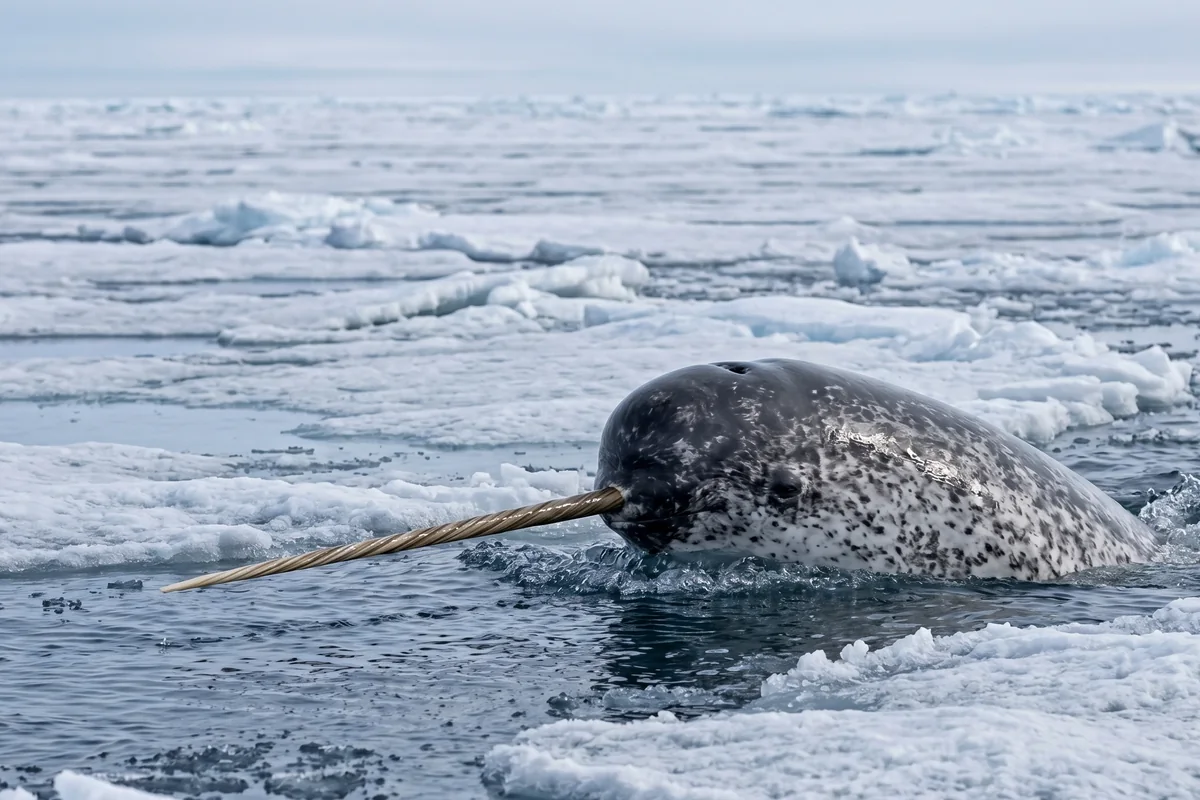
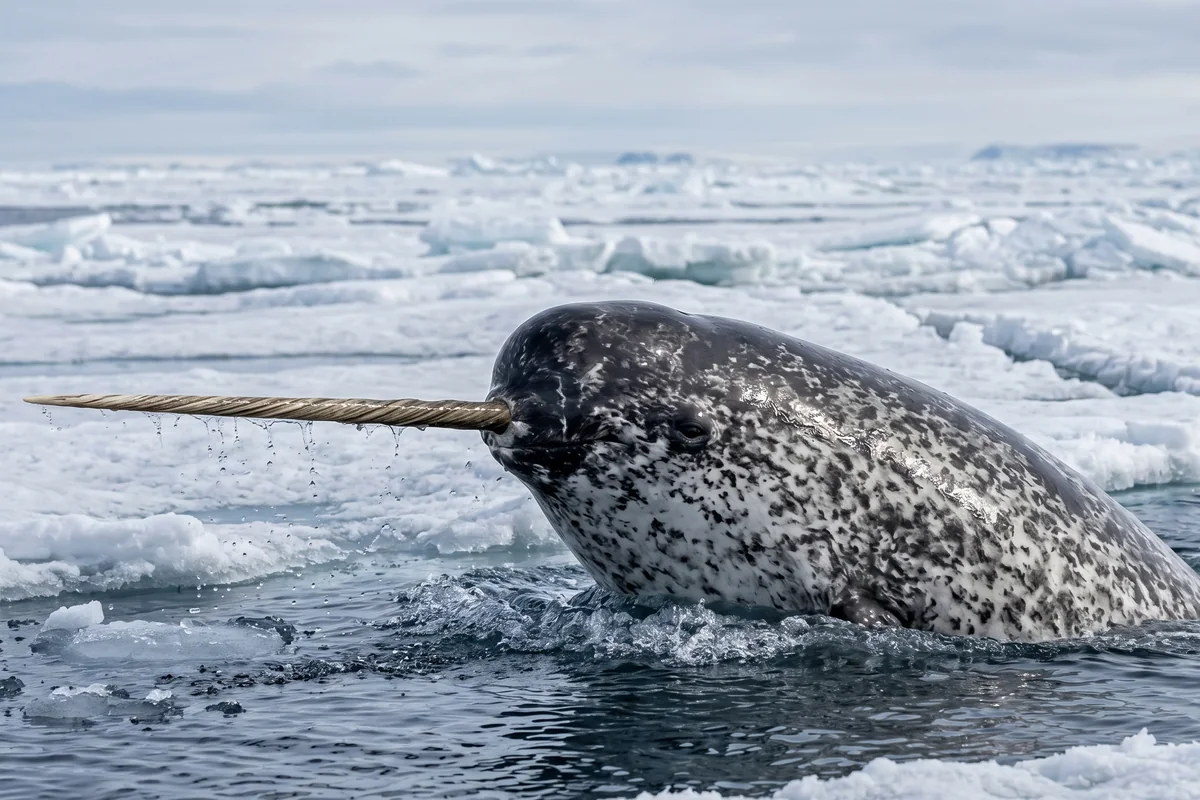
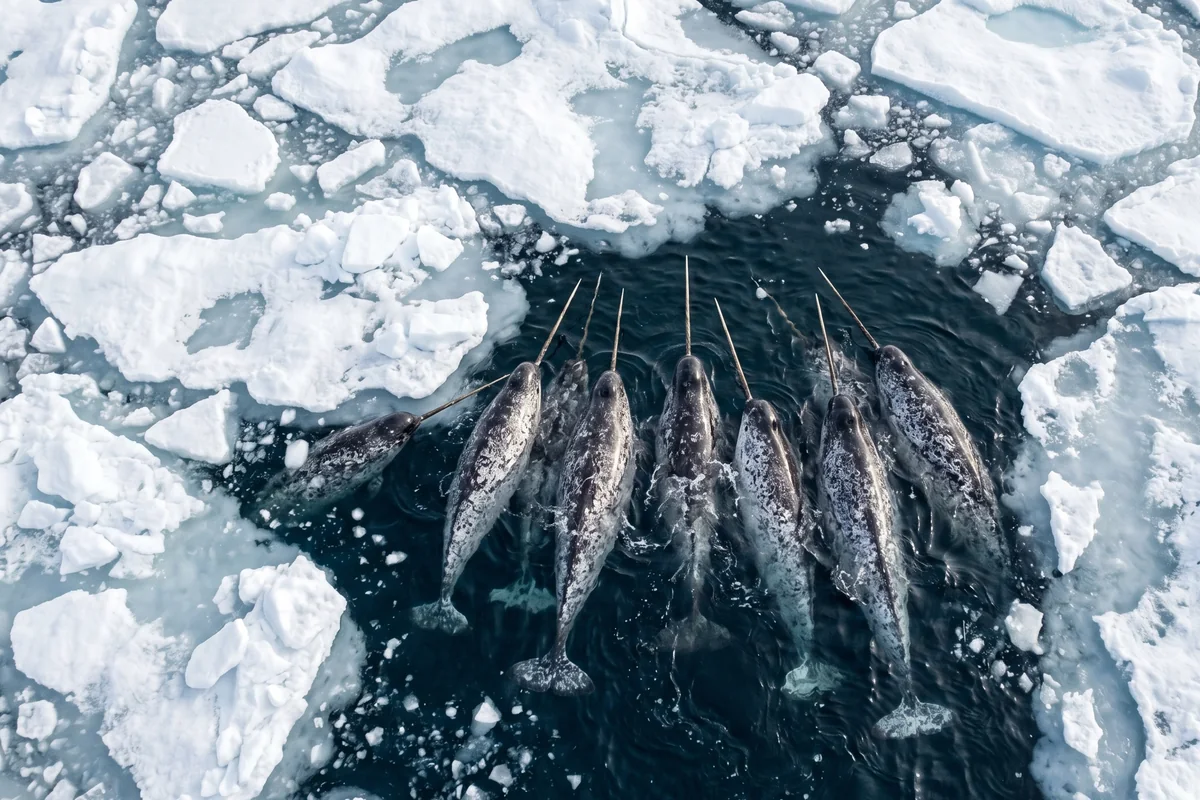
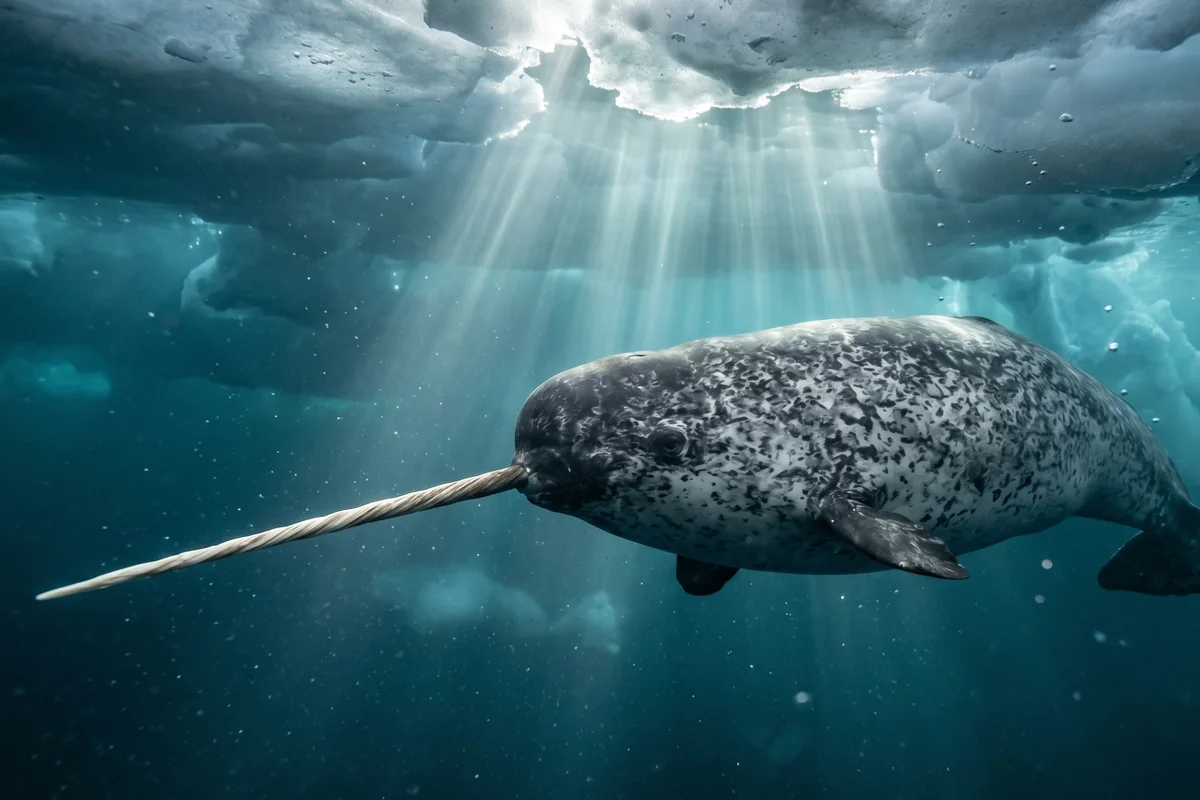
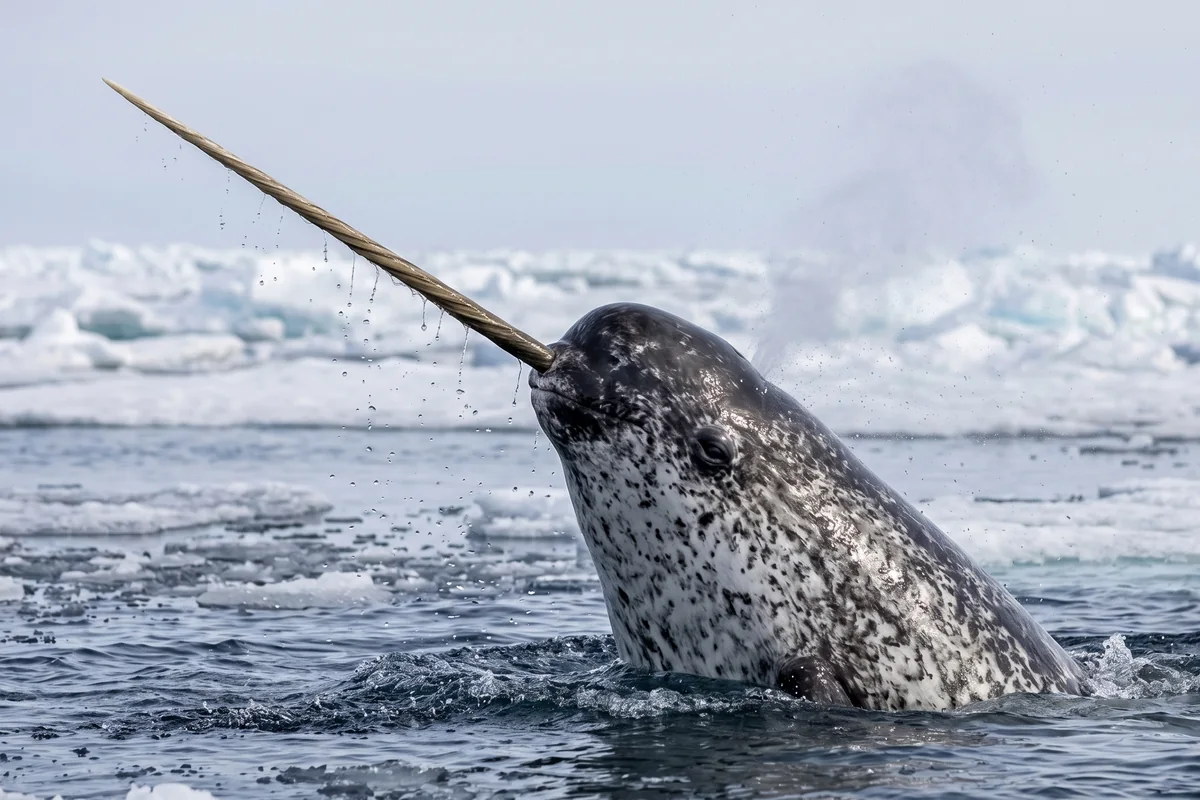
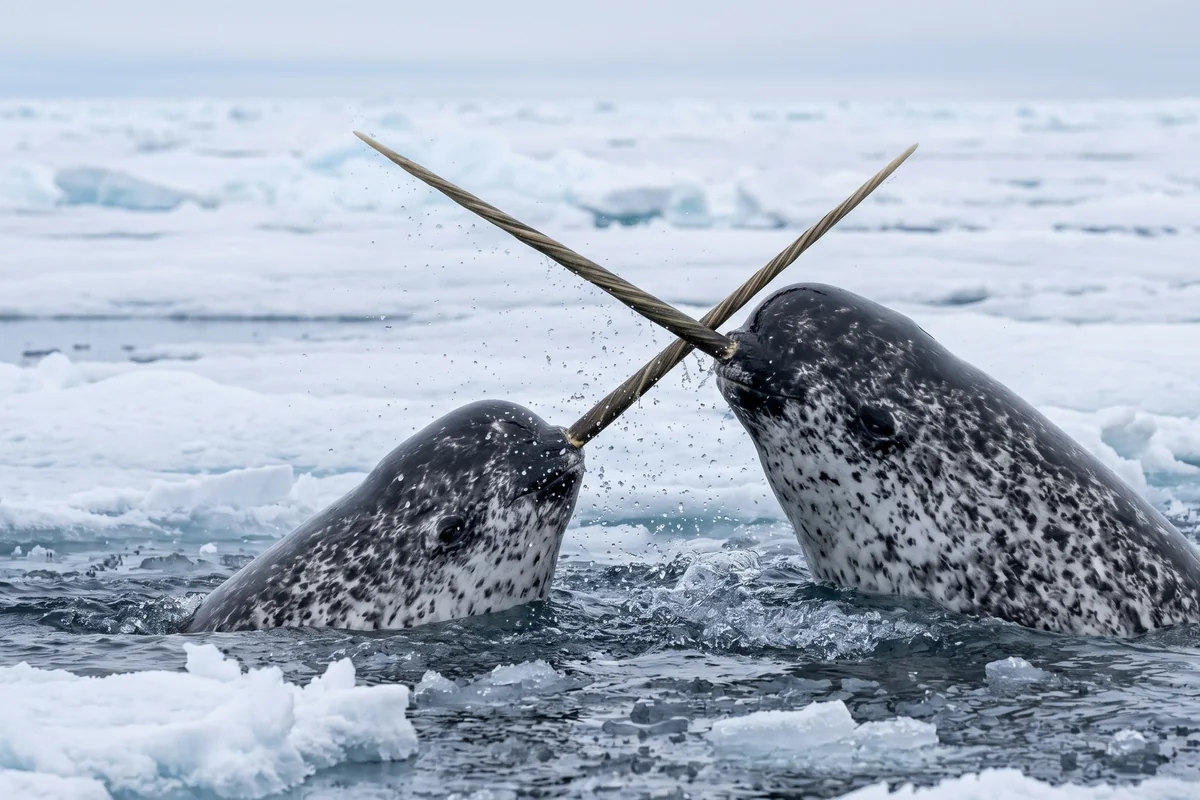
A small gallery of narwhal and Arctic-wildlife photography. Narwhals are notoriously hard to photograph in the wild — they are shy, live among remote pack ice, and spend much of their time diving deep — so good images are prized. The photographs here are license-clear (Creative Commons / public domain or Pexels-licensed) and captioned with what they show.
Narwhals rank among the Arctic's most elusive marine mammals, presenting considerable challenges for wildlife photographers. Their shy temperament, preference for remote pack-ice habitat, and extended periods spent diving at depth combine to make encounters with them brief and unpredictable. Quality photographs of narwhals in their natural environment remain scarce, making well-documented images valuable reference material for researchers, educators, and Arctic wildlife enthusiasts alike.
This gallery assembles photographs of narwhals and related Arctic marine wildlife selected for both visual quality and clear licensing status. All images included are available under Creative Commons, public domain, or equivalent open-access terms, ensuring their educational utility and shareability. Each photograph is accompanied by a descriptive caption identifying the subject matter and context, allowing viewers to understand what ecological or behavioral elements the image documents.
Photographs serve as crucial tools for Arctic conservation and public education. They provide visual documentation of species in their native environments and help convey the distinctive characteristics and behaviors that define Arctic marine life. The images assembled here reflect the genuine rarity and difficulty of capturing narwhals and their Arctic neighbors in the wild, underscoring both the value of wildlife photography and the remote, inaccessible nature of the ecosystems these animals inhabit.
Narwhal photographs (11)
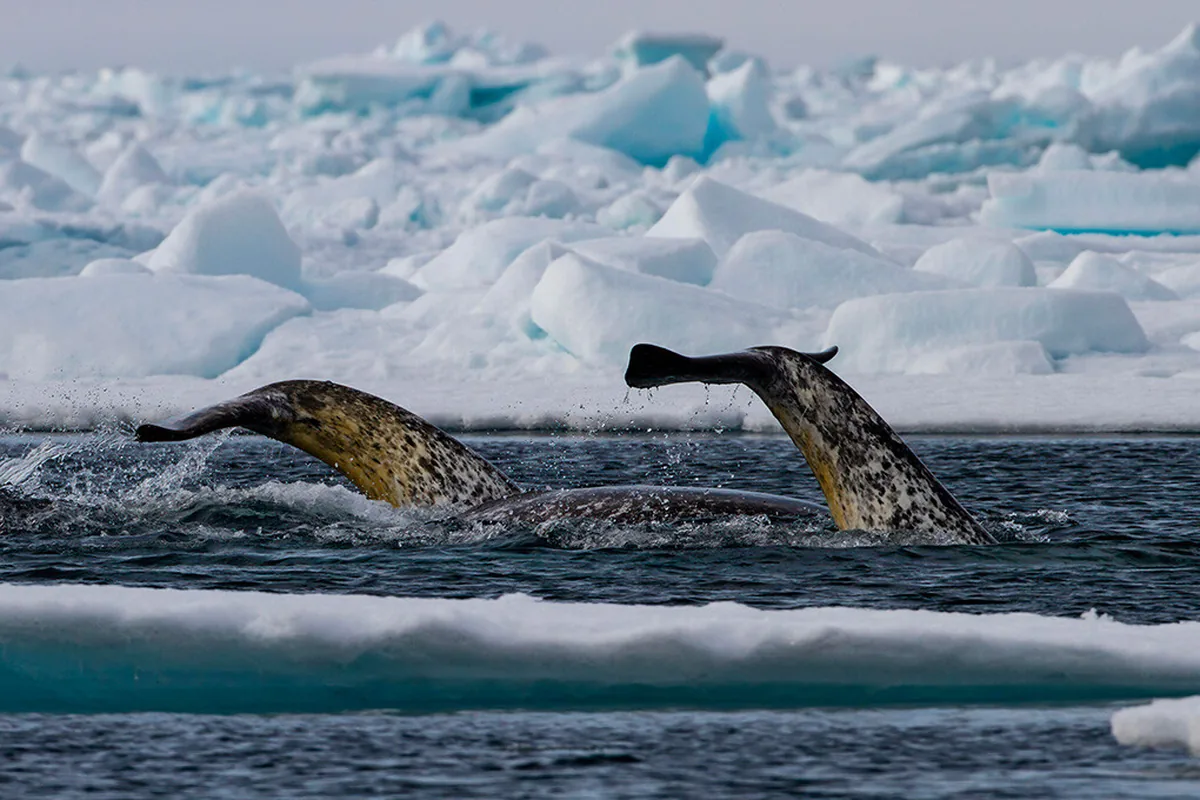
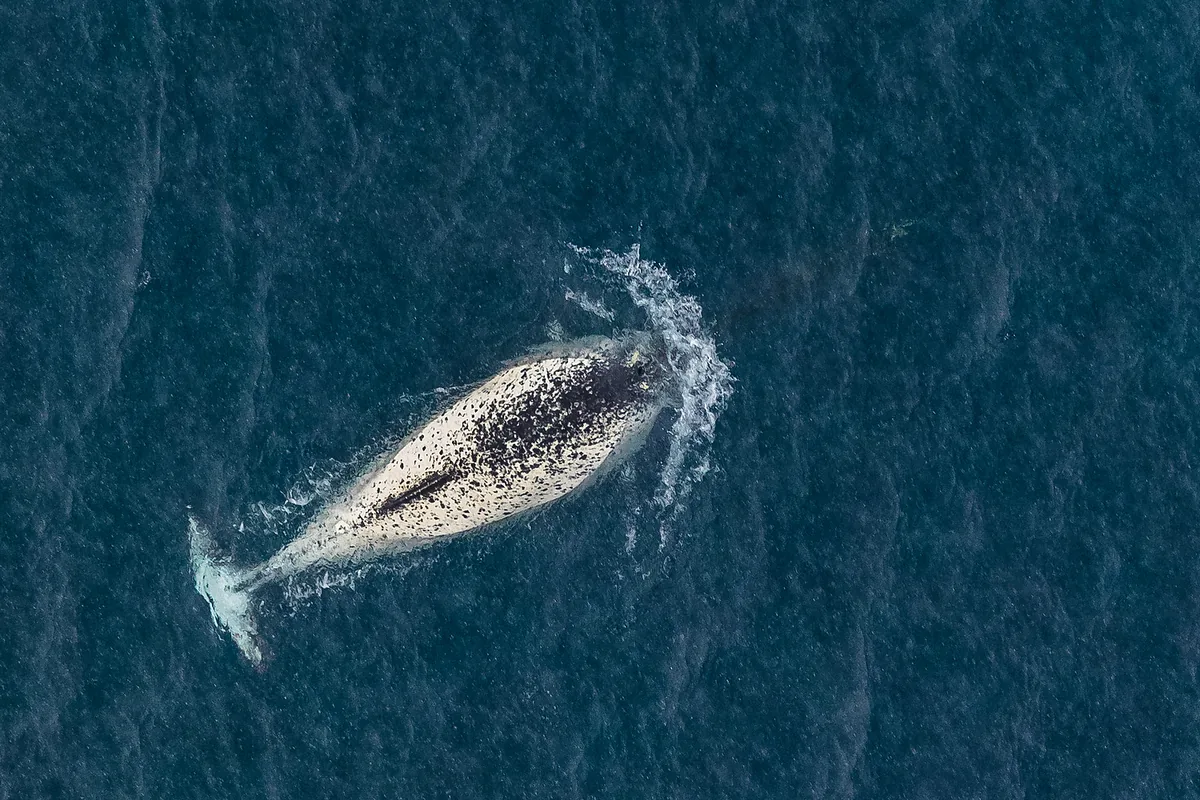
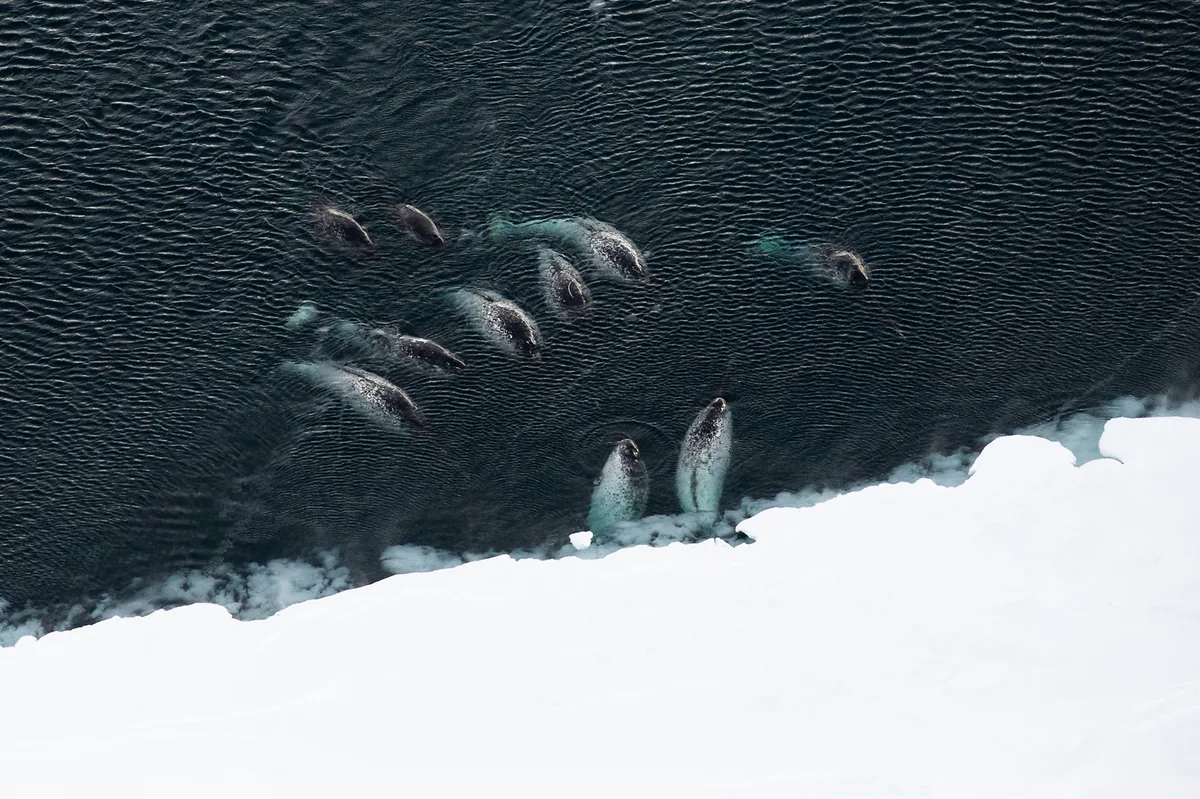
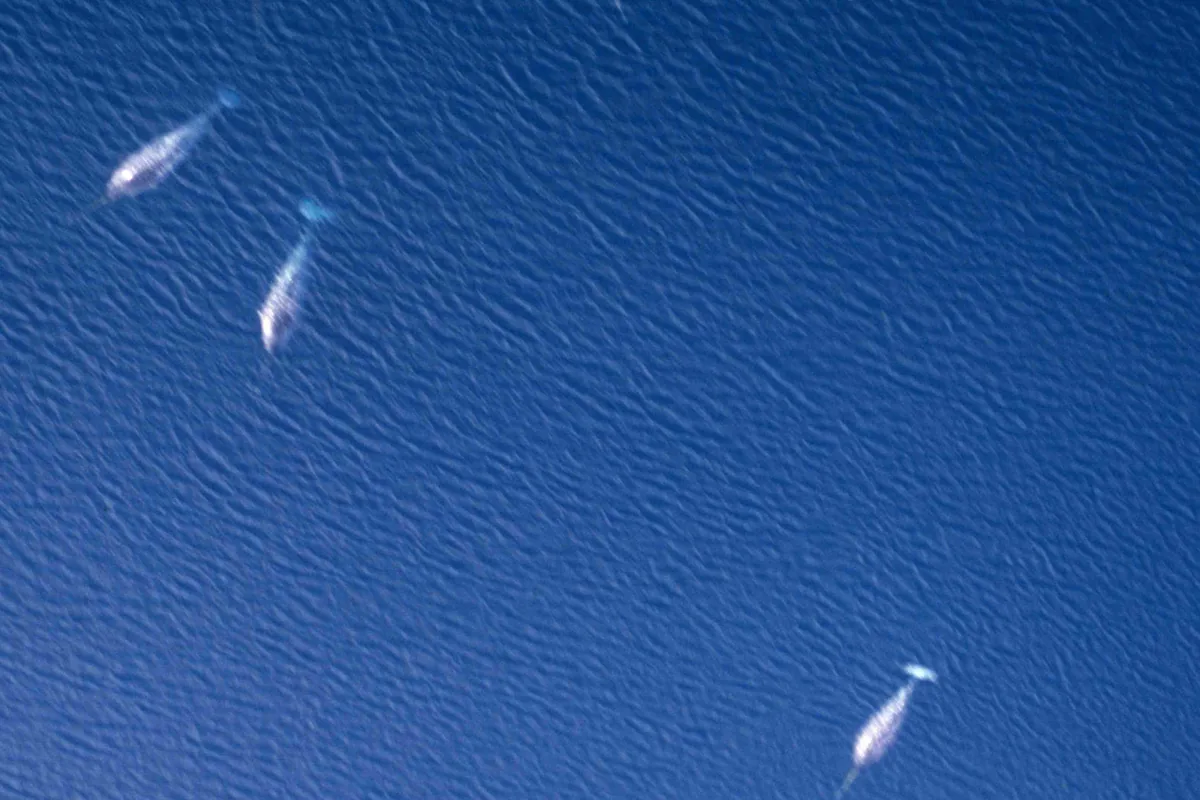
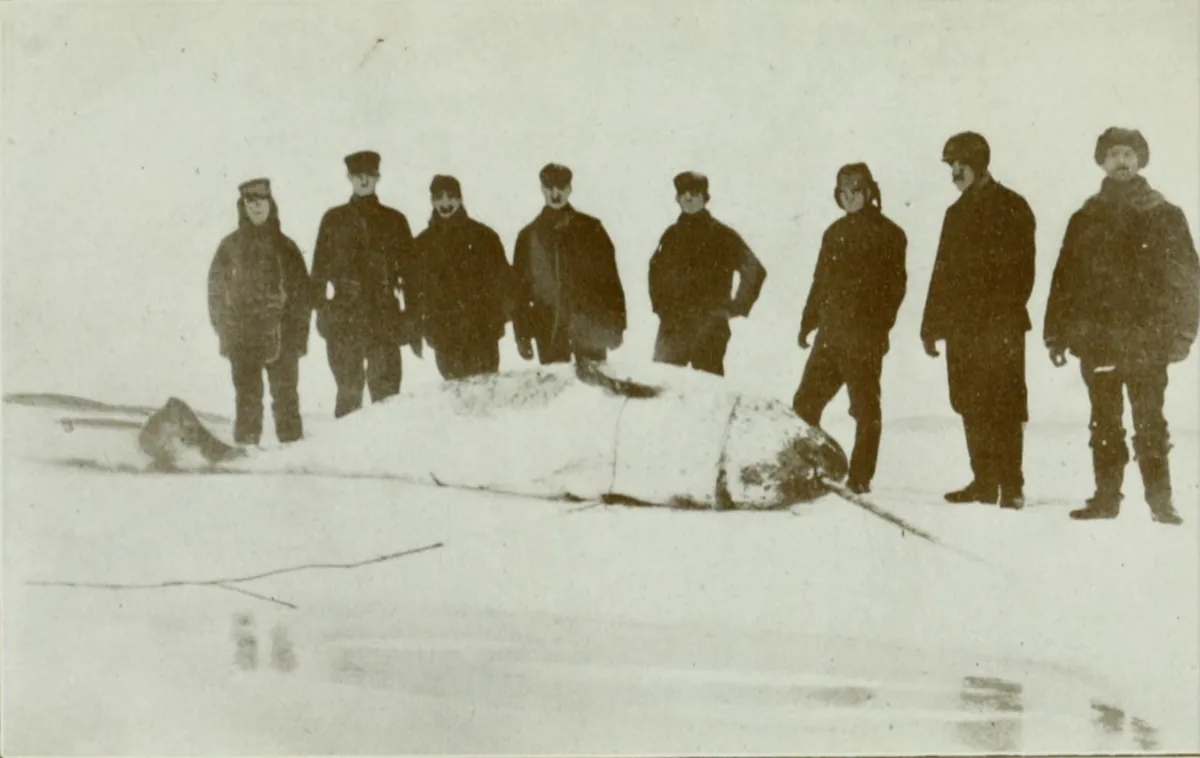
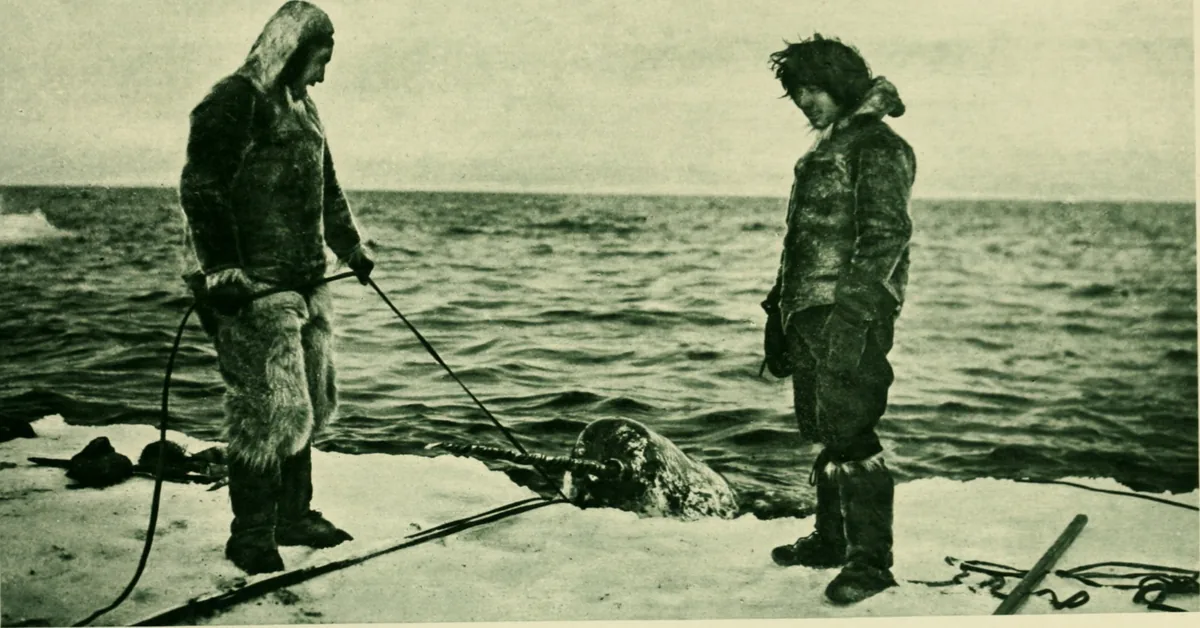
Real photographs of wild narwhals. Genuine narwhal photos are scarce — the animals are shy, live among remote pack ice, and spend much of their time diving deep — so most come from a handful of Arctic field researchers, under public-domain (NOAA) or Creative Commons licences.
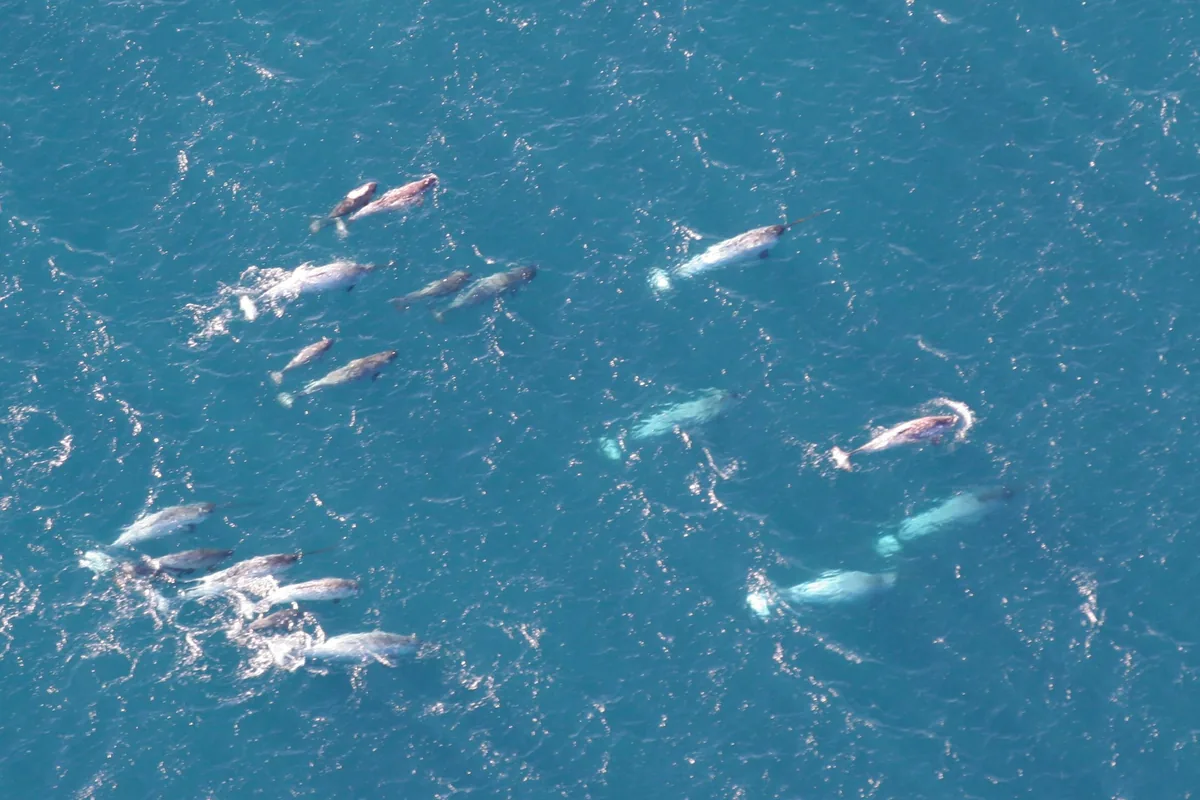
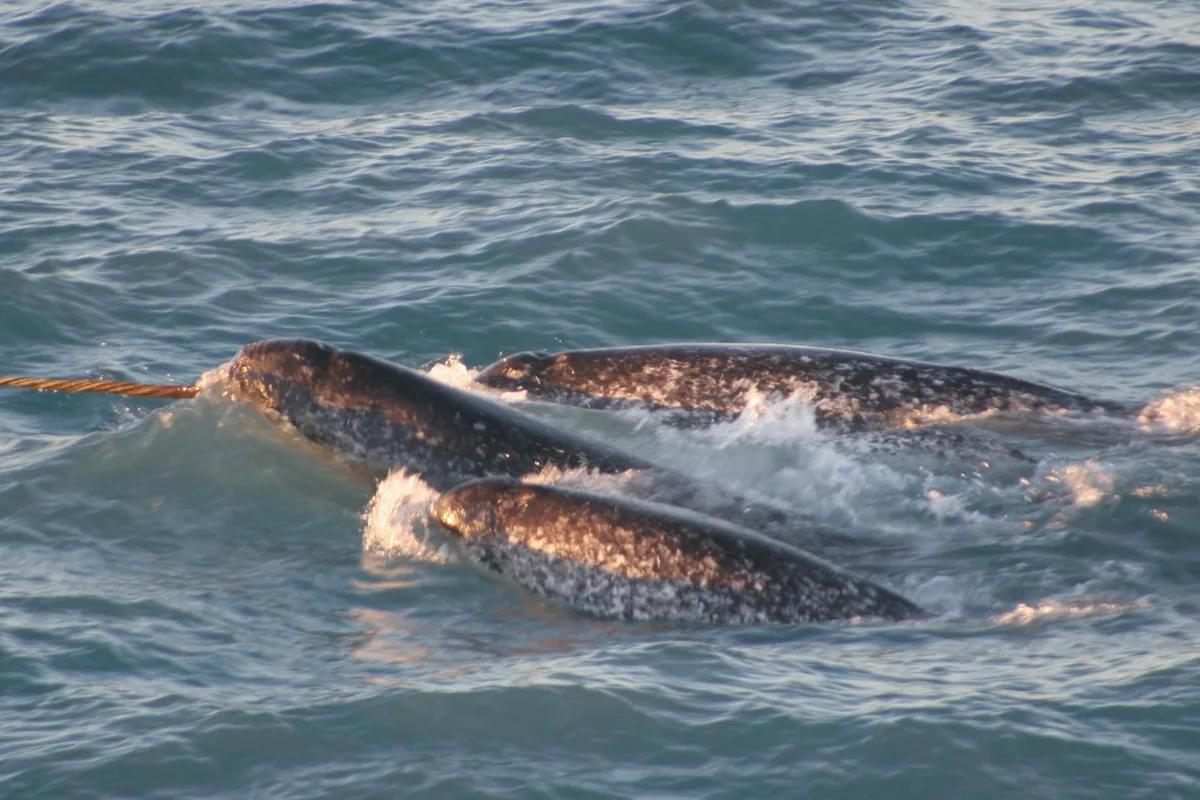
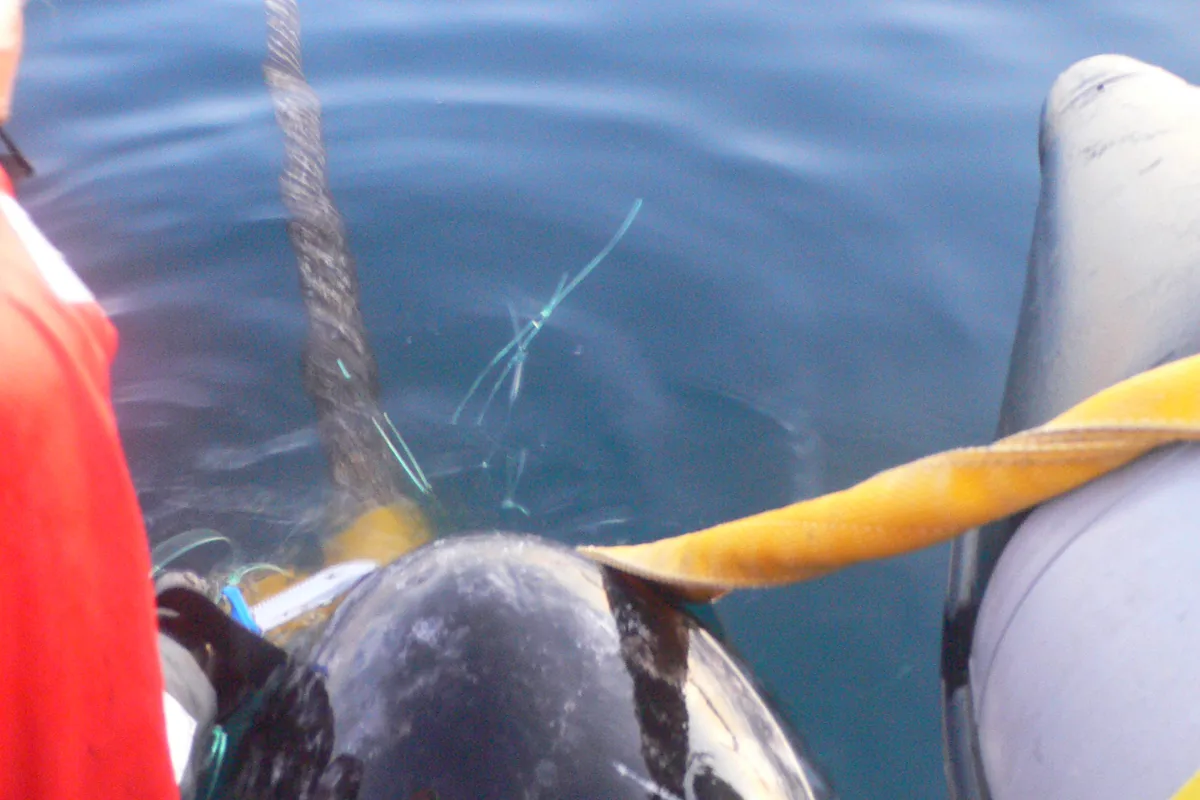
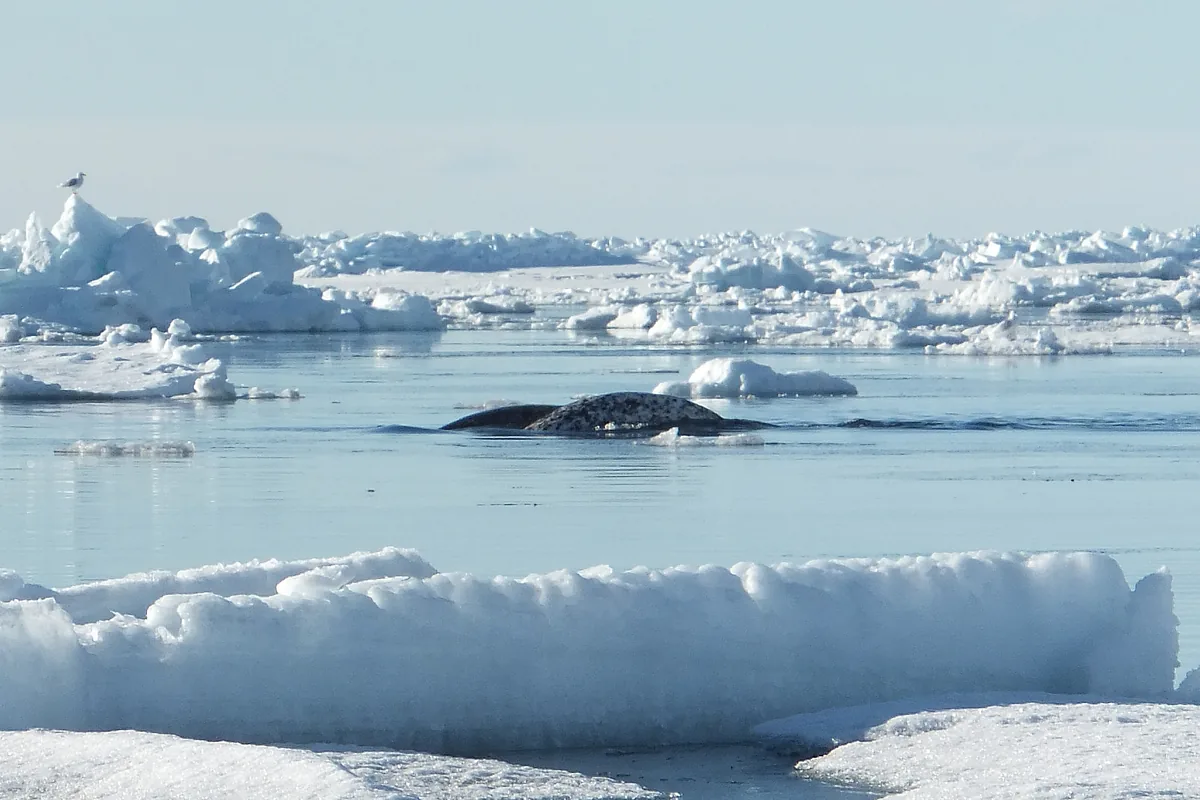
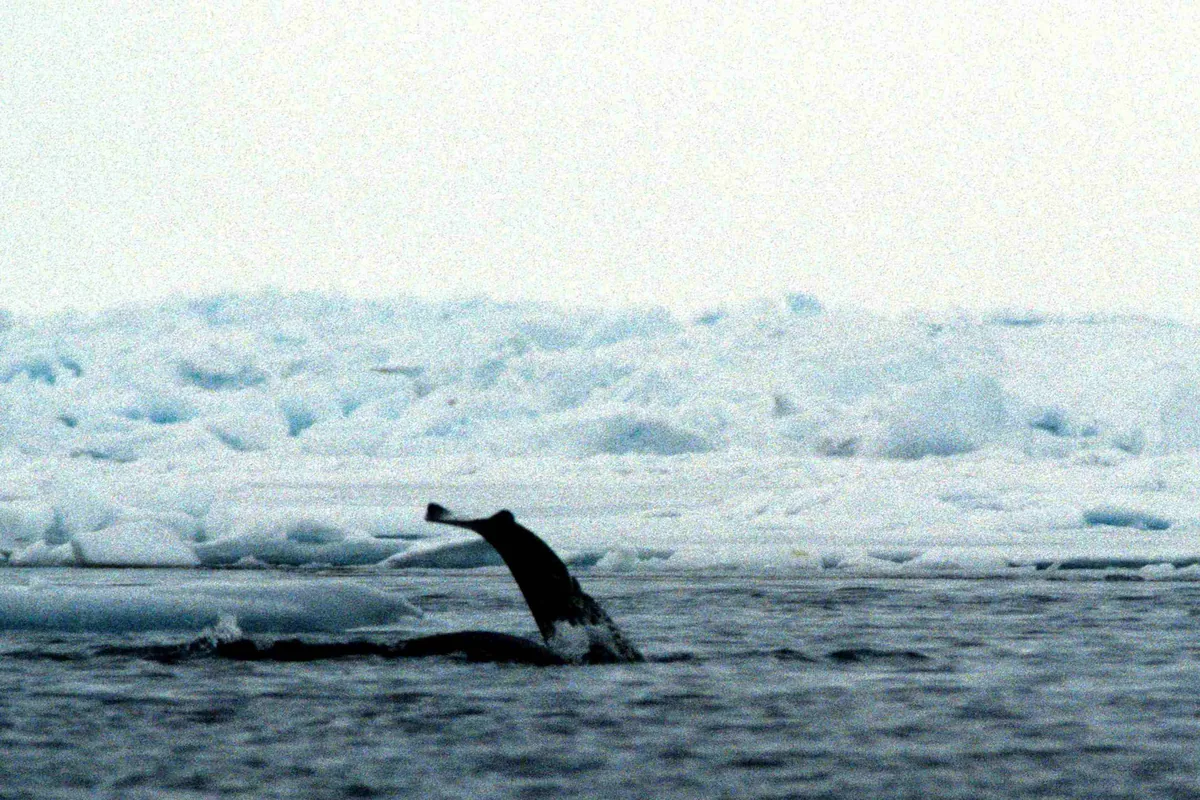
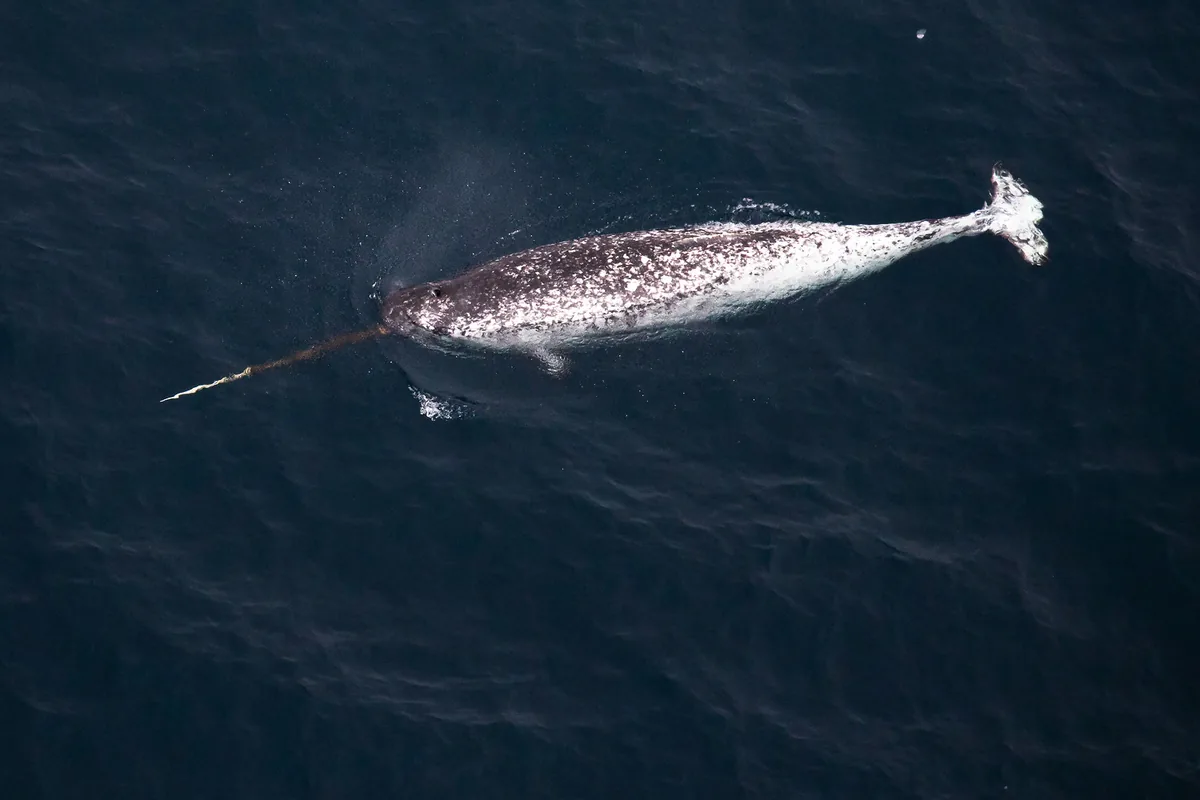
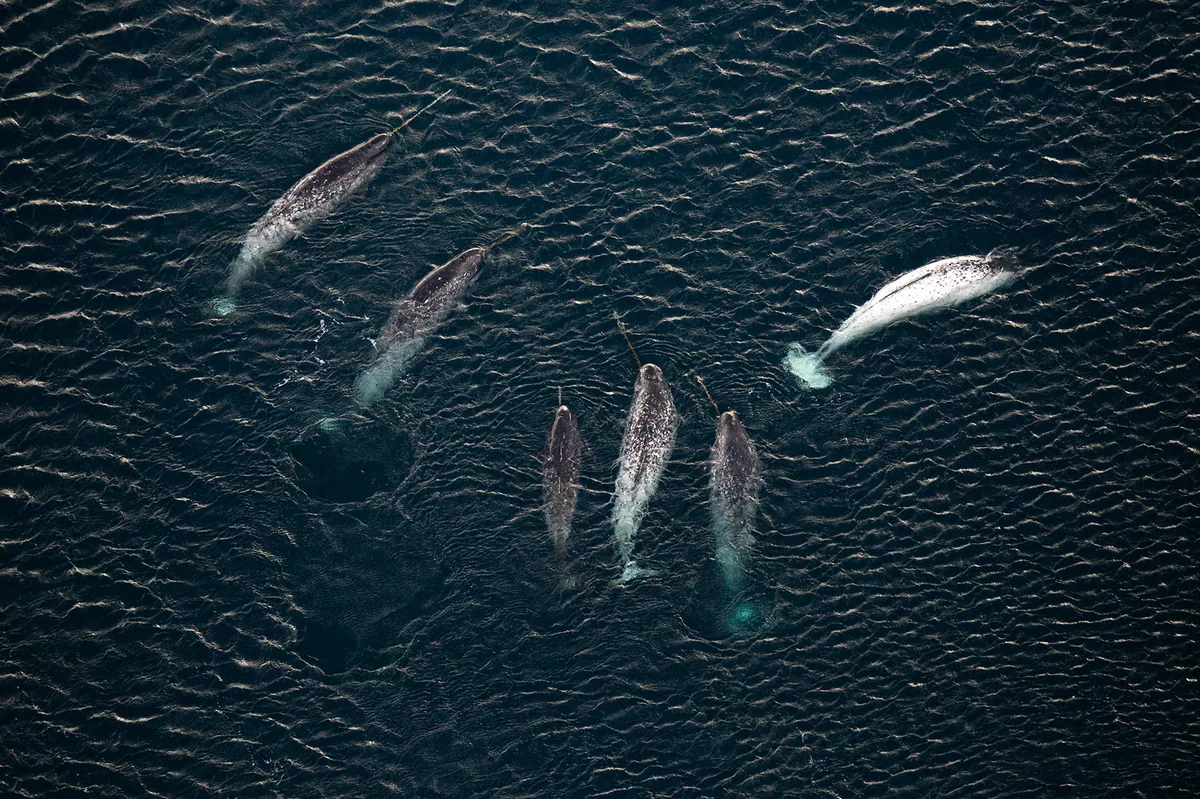
A pod of narwhals off Greenland, several showing long single tusks.Photo: Dr. Kristin Laidre, NOAA / public domainRelated article →A pod of narwhals showing the spiral configuration of the single tusk.Photo: Dr. Kristin Laidre, NOAA / public domainRelated article →A male narwhal captured and satellite-tagged by researchers.Photo: Kristin Laidre, NOAA / public domainRelated article →A narwhal swimming in a gap between land-fast ice and pack ice off Baffin Island.Photo: Paul Gierszewski, CC BY-SA 4.0, via Wikimedia CommonsRelated article →A narwhal's tail above the water surface in the Arctic.Photo: Gazprom neft, CC BY-SA 4.0, via Wikimedia CommonsRelated article →A narwhal near the Franz Josef Land archipelago in the Russian Arctic.Photo: Gazprom neft press service, CC BY-SA 4.0, via Wikimedia CommonsRelated article →Narwhals off the coast of Franz Josef Land in the Russian Arctic.Photo: Gazprom neft press service, CC BY-SA 4.0, via Wikimedia CommonsRelated article →Narwhals in Creswell Bay off Somerset Island, Canadian Arctic.Photo: Ansgar Walk, CC BY-SA 2.5, via Wikimedia CommonsRelated article →A narwhal at the surface among broken sea ice in the Canadian Arctic.Photo: Ansgar Walk, CC BY-SA 2.5, via Wikimedia CommonsRelated article →A narwhal surfacing in the Russian Arctic near Franz Josef Land.Photo: Gazprom neft press service, CC BY-SA 4.0, via Wikimedia CommonsRelated article →Individual narwhals in the Arctic, photographed near Franz Josef Land.Photo: Gazprom neft press service, CC BY-SA 4.0, via Wikimedia CommonsRelated article →
The narwhal tusk, up close (4)
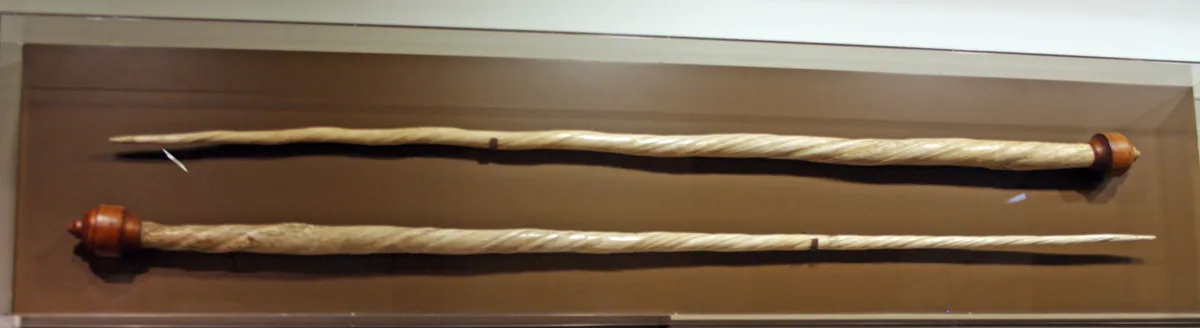
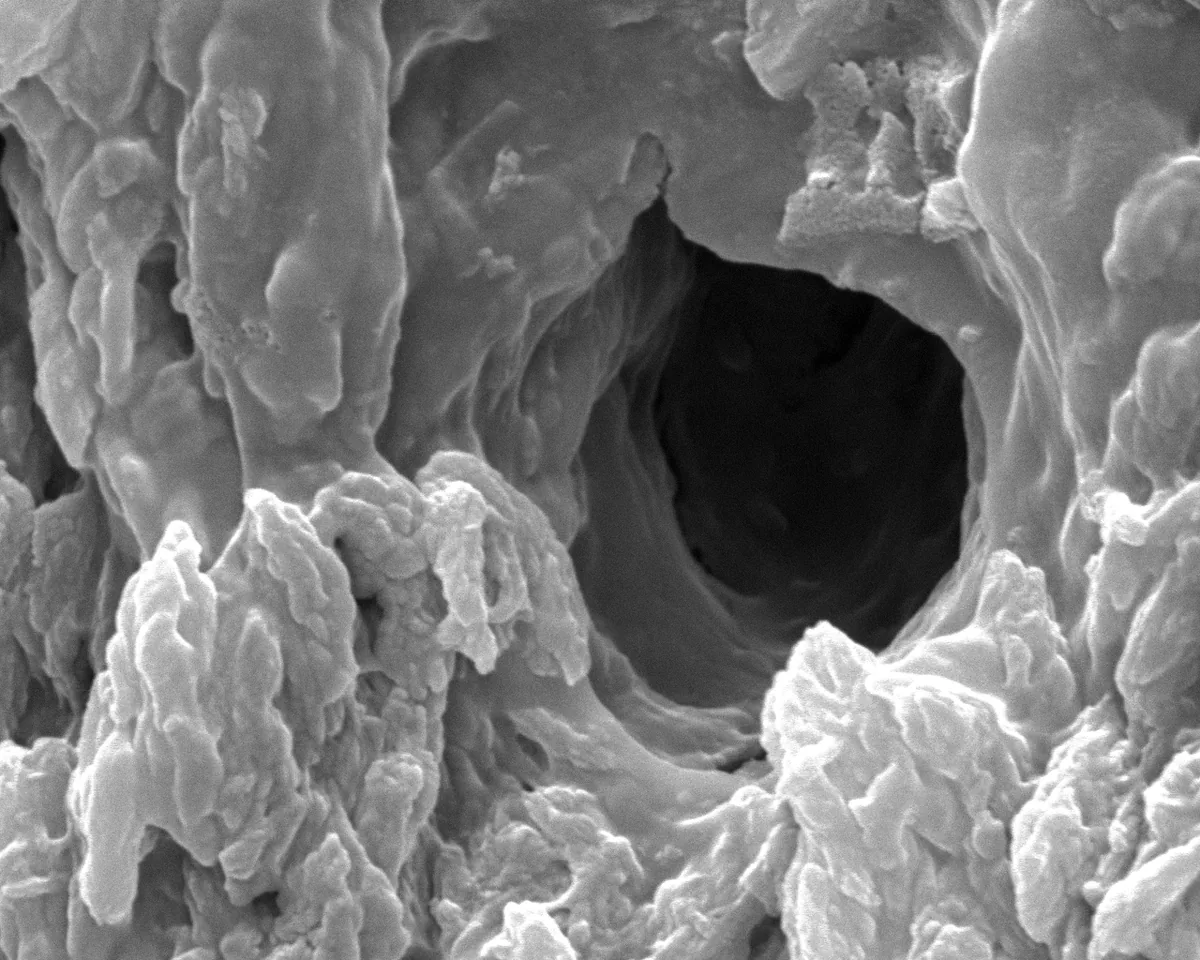
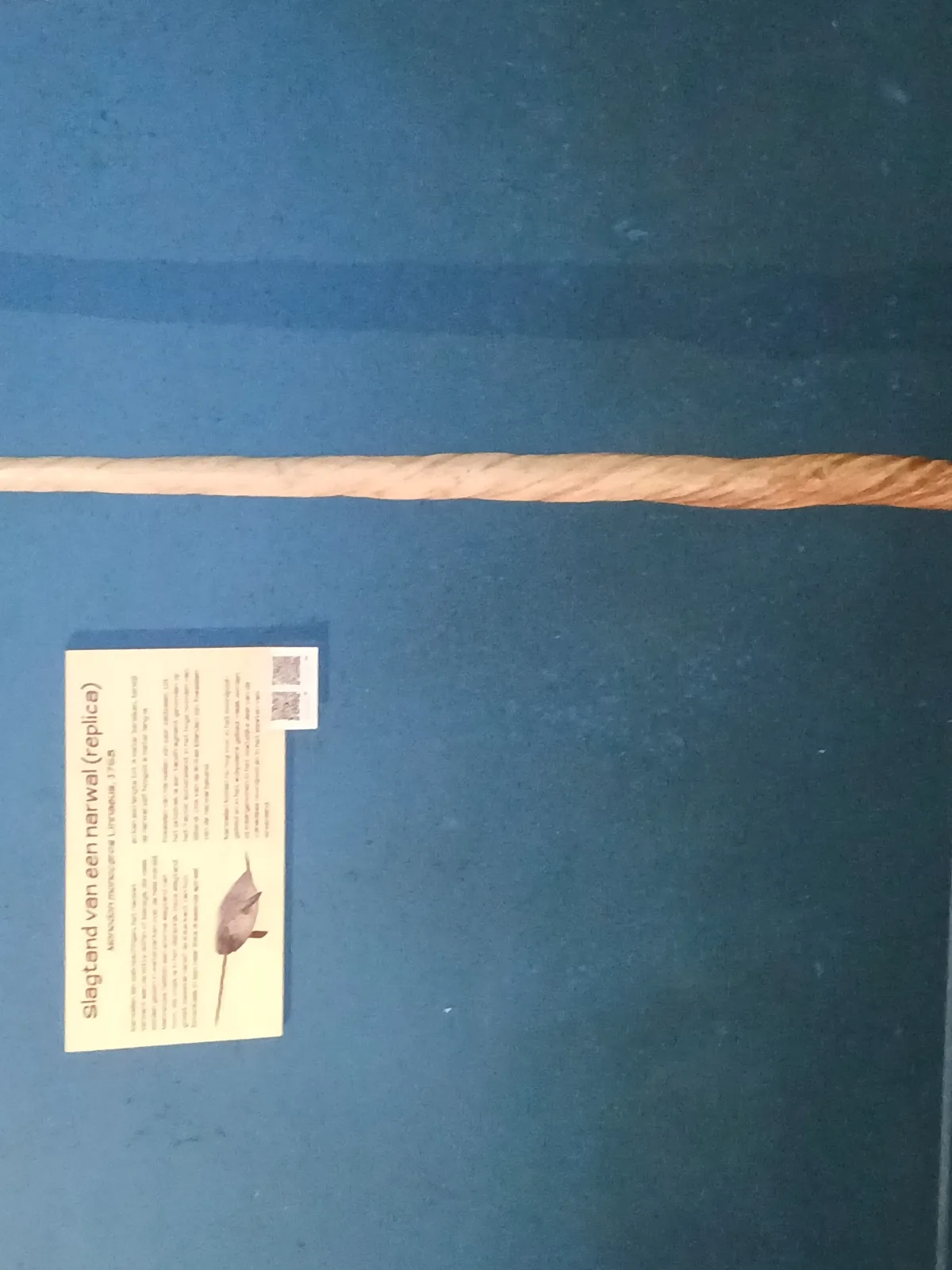
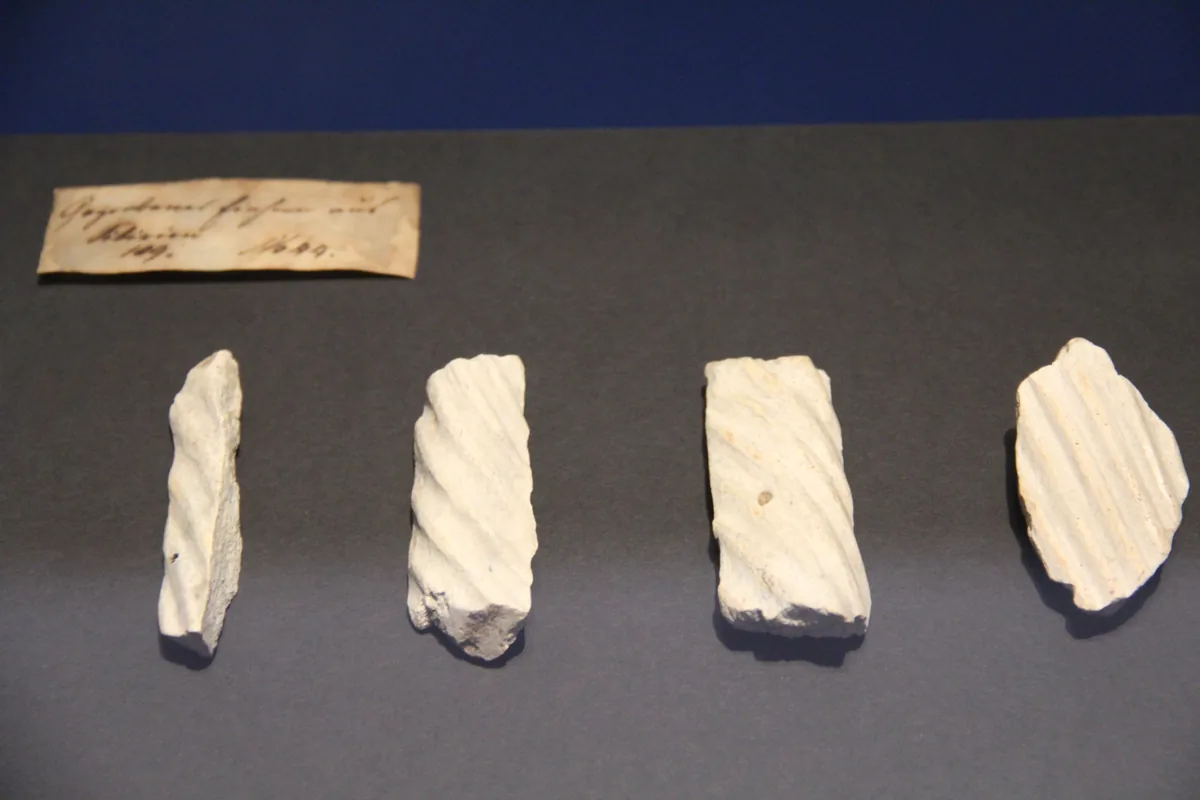
The narwhal's tusk is an elongated, spiralled canine tooth, usually grown by males. These specimen and cross-section images show its length, spiral, and internal structure.
Narwhal tusks shown as museum specimens, illustrating their length and spiral.Photo: Miguel Calvo, CC BY 4.0, via Wikimedia CommonsRelated article →Cross-section detail of a narwhal tusk showing its internal dentine tubules.Image: Frederick Eichmiller, NIST / public domainRelated article →A preserved narwhal tusk on display, showing its full length.Photo: Michael de Wouter, CC0, via Wikimedia CommonsRelated article →A narwhal tusk historically excavated and once mistaken for a 'unicorn' horn.Photo: public domain, via Wikimedia CommonsRelated article →
Where narwhals live — range maps (4)
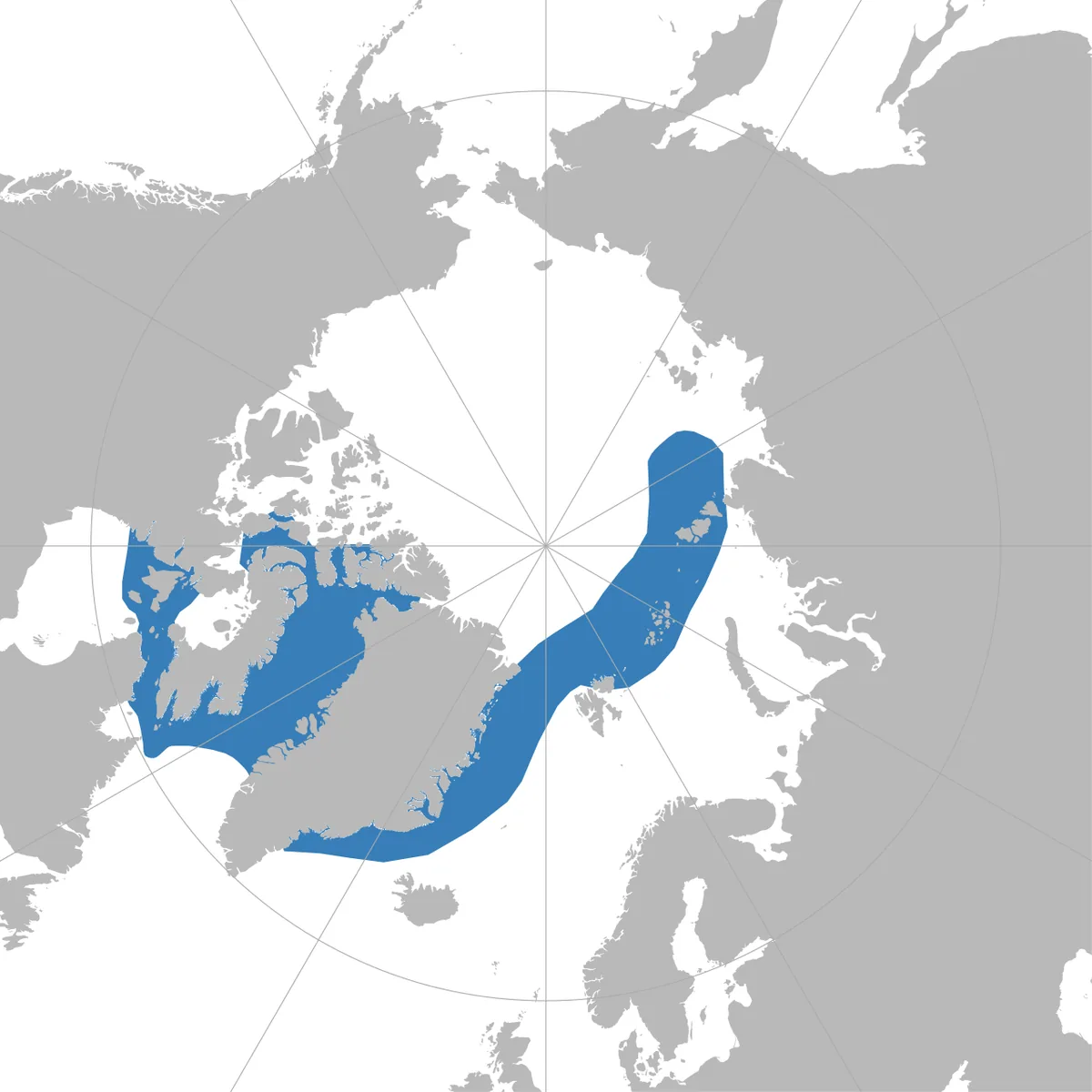
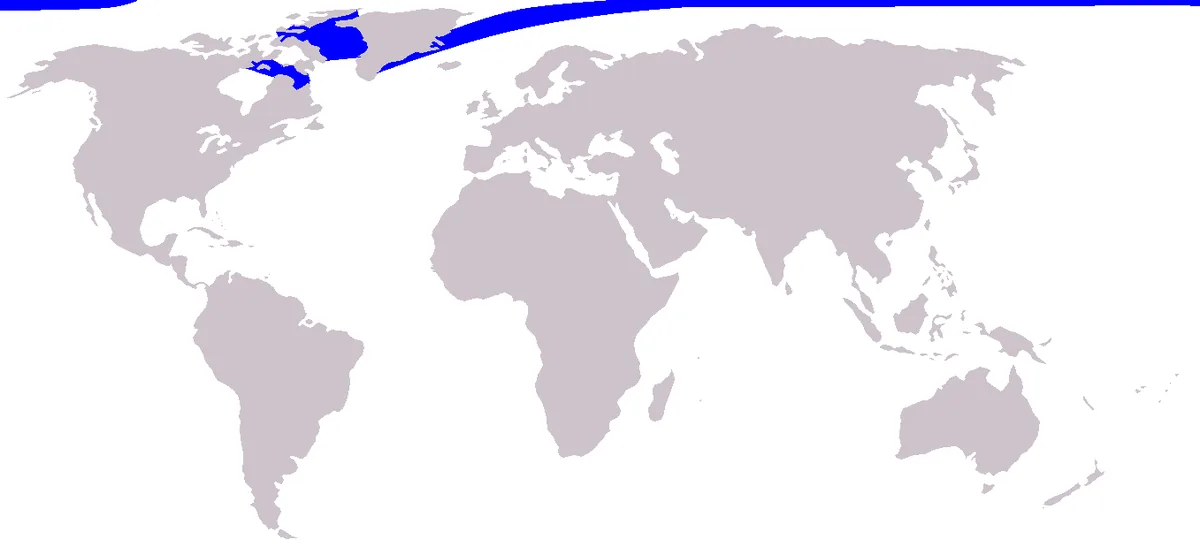
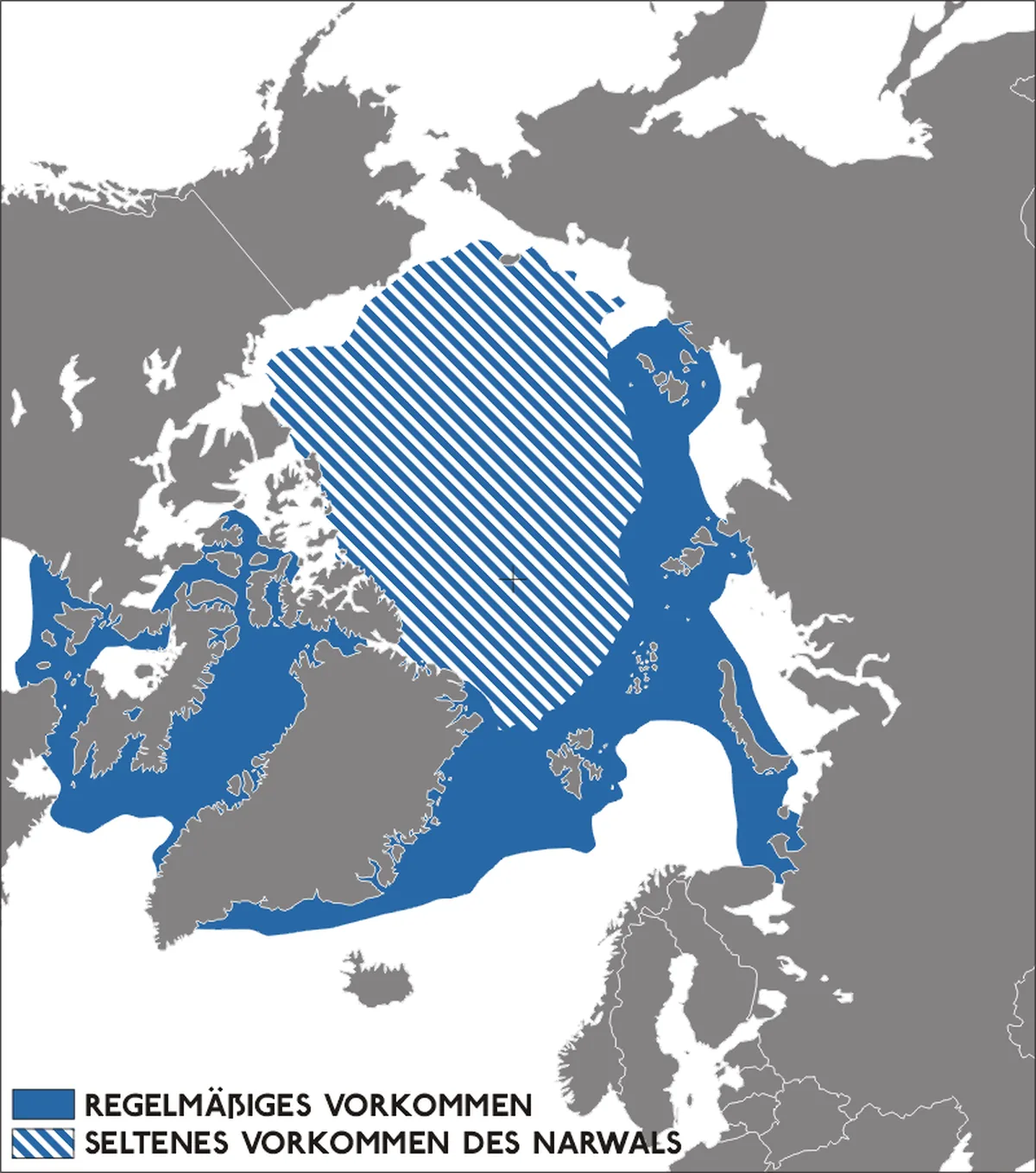
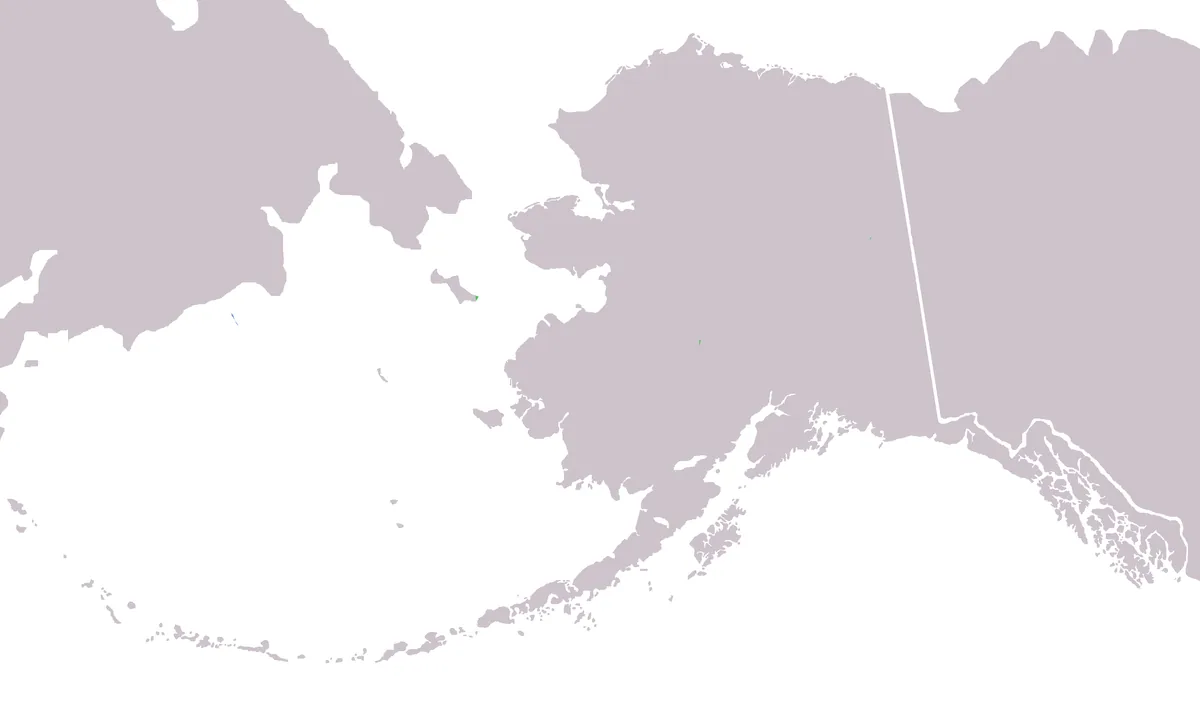
The narwhal's range is circumpolar Arctic, concentrated around Canada, Greenland, and the Russian Arctic. These maps show its distribution across the high Arctic.
Map showing the circumpolar Arctic range of the narwhal (Monodon monoceros).Map: Isochrone (IUCN Red List / Natural Earth data), CC BY-SA 4.0, via Wikimedia CommonsRelated article →World map highlighting the narwhal's distribution across the Arctic Ocean.Map: CC BY-SA 3.0, via Wikimedia CommonsRelated article →Distribution map of the narwhal across the high Arctic.Map: Sansculotte, CC BY-SA 2.5, via Wikimedia CommonsRelated article →Map of the narwhal's range, including occurrences near Alaska.Map: Calliopejen, CC BY-SA 4.0, via Wikimedia CommonsRelated article →
Historical narwhal illustrations (4)
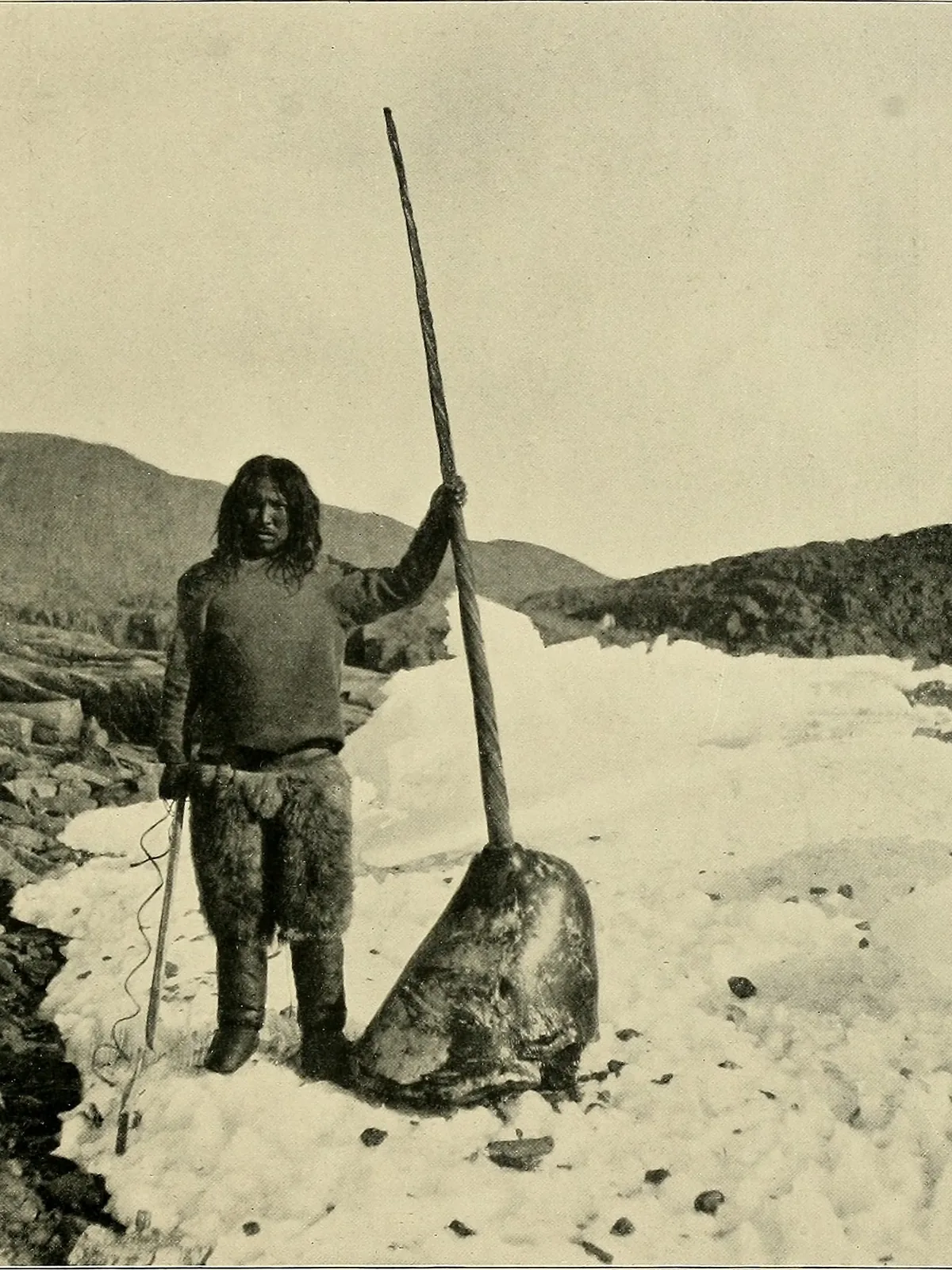
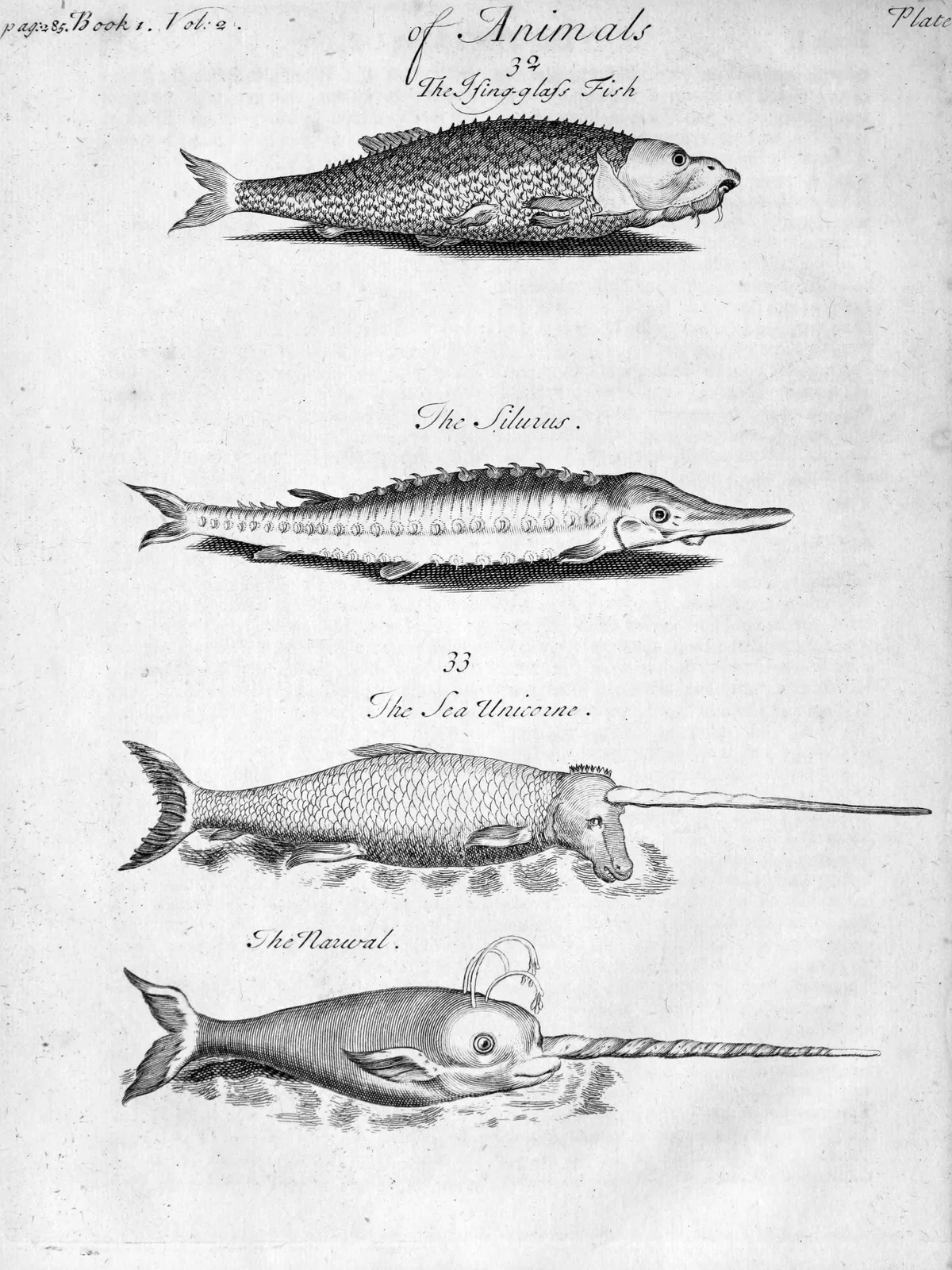
For centuries narwhal tusks were traded as 'unicorn horns'. These public-domain plates and engravings are historical depictions of the animal — folklore and early natural history, shown here as history, not fact.
A historical illustration of the narwhal from 'Children of the Arctic' (1903).Illustration: Internet Archive Book Images (1903) / public domainRelated article →A 17th-century plate depicting the 'Sea-Unicorn & Narwhal' from Pomet's drug compendium.Plate: Pierre Pomet, Histoire générale des drogues (1694) / public domainRelated article →A historical engraving of a narwhal killed in Admiralty Inlet.Engraving: public domain (archive.org)Related article →An early-1900s natural-history plate of the narwhal from The American Museum Journal.Plate: The American Museum Journal (c.1900–1918) / public domainRelated article →
Narwhal diagrams & size comparisons (5)
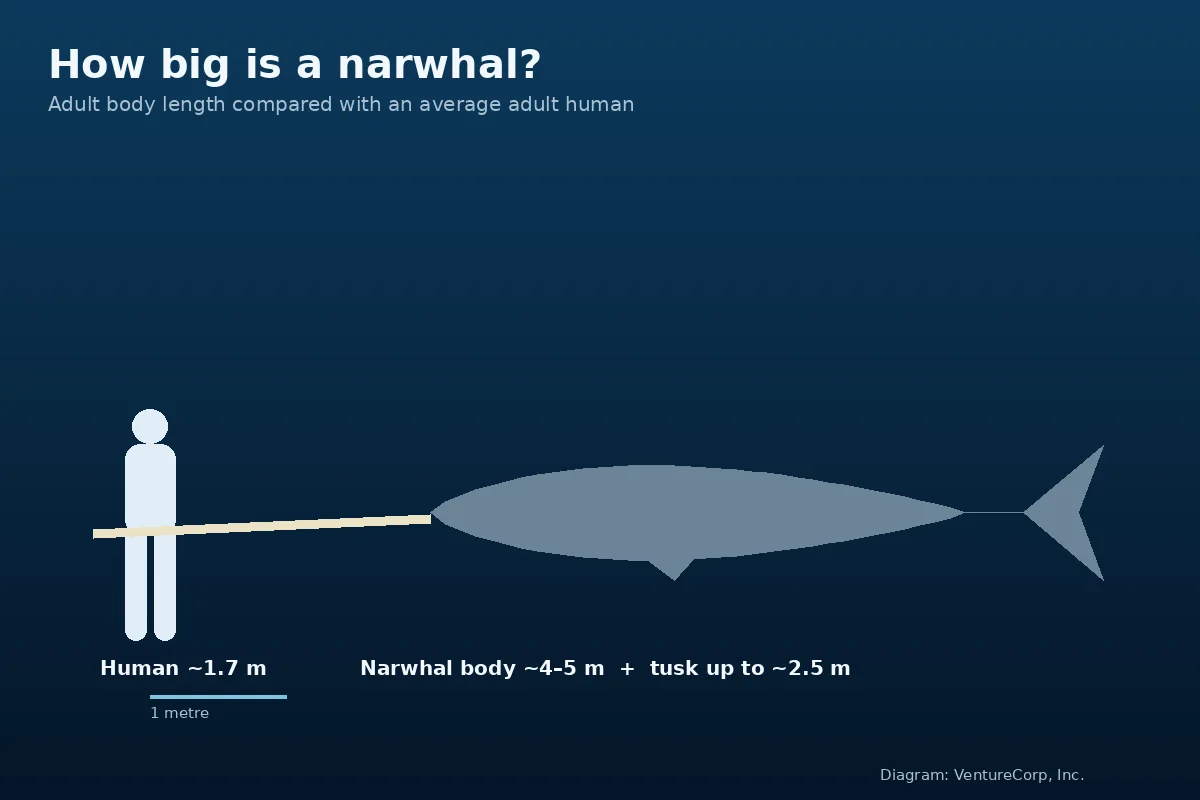
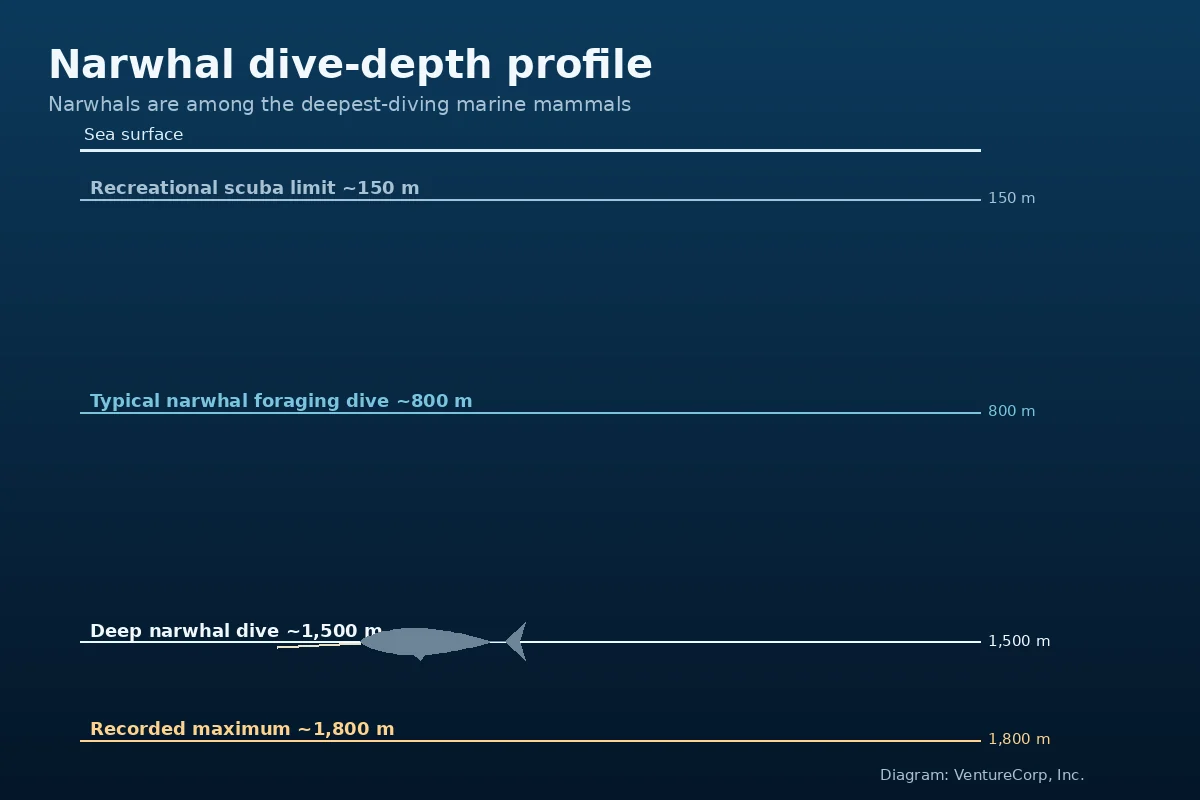
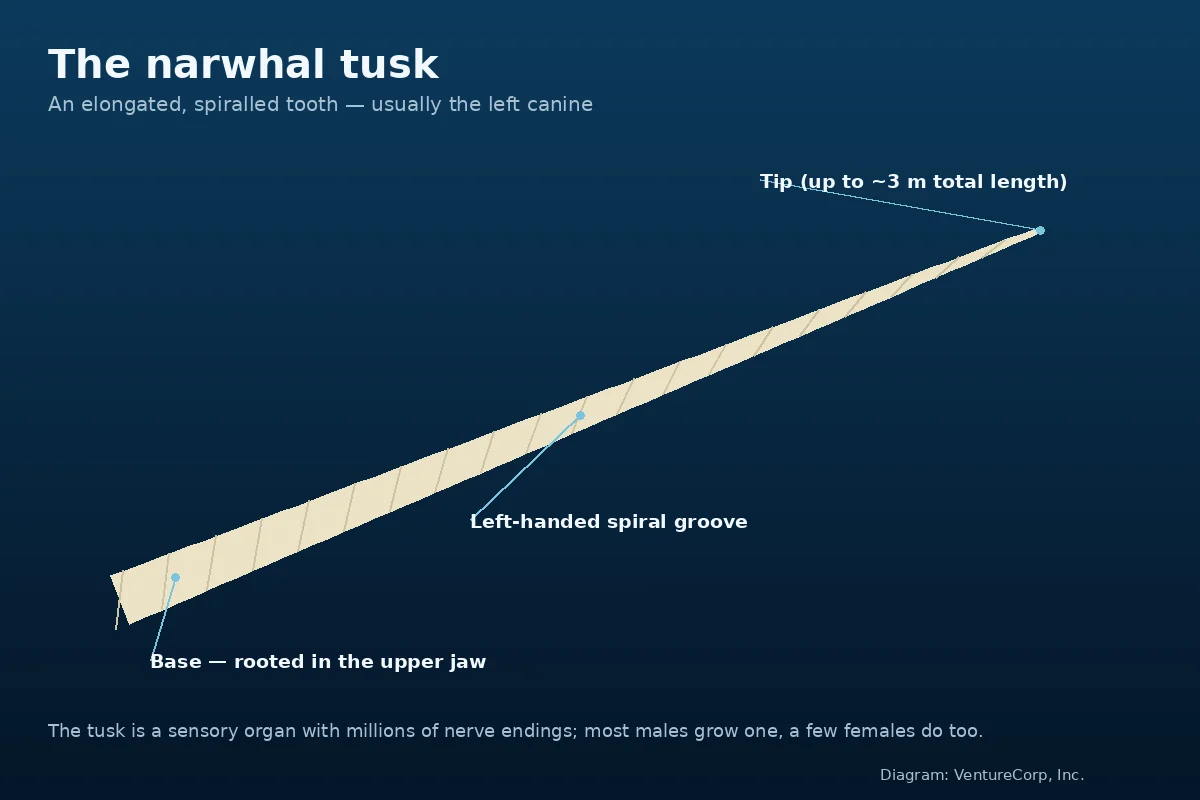
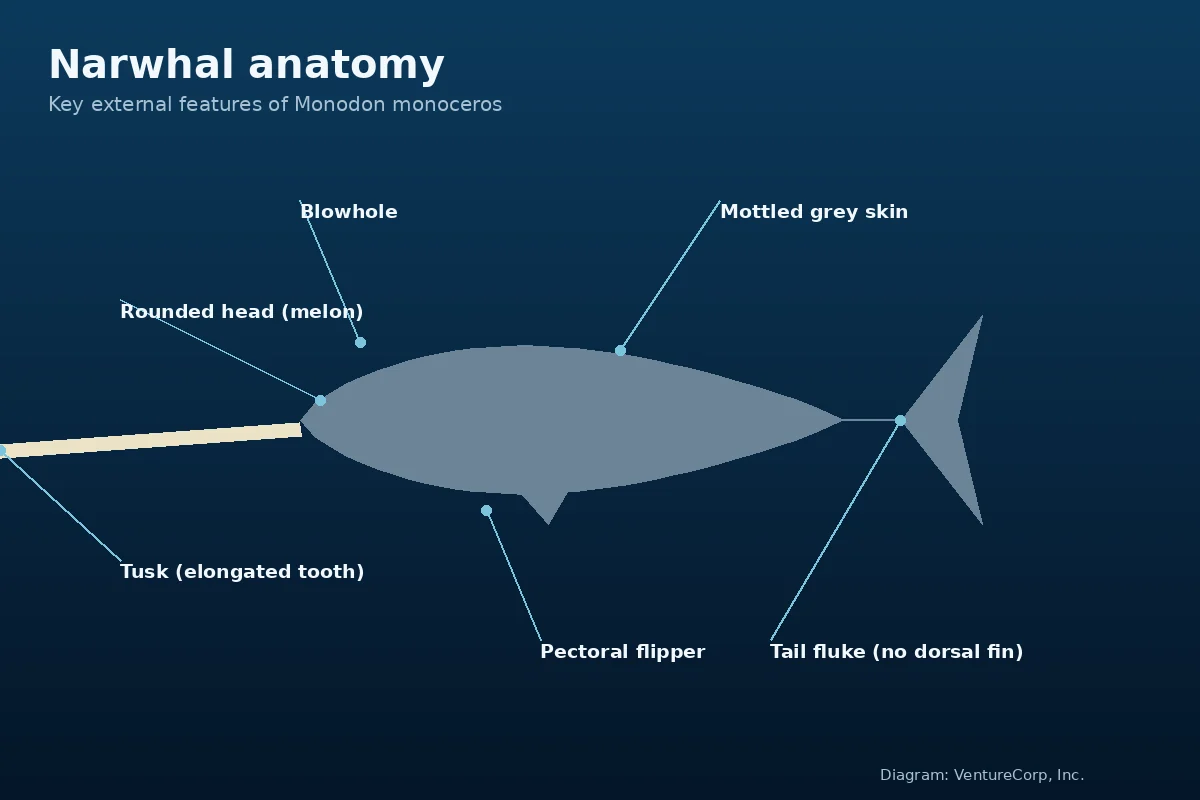
Reference diagrams — anatomy, the tusk, dive-depth profile, and size compared with an adult human. Original diagrams are credited to VentureCorp, Inc.
Diagram comparing narwhal body and tusk length with an average adult human.Diagram: VentureCorp, Inc. (original)Related article →Diagram of the narwhal's dive-depth profile, reaching about 1,500 metres.Diagram: VentureCorp, Inc. (original)Related article →Labeled diagram of the narwhal tusk: a spiralled, elongated tooth up to ~3 m.Diagram: VentureCorp, Inc. (original)Related article →Labeled diagram of narwhal anatomy: tusk, melon, blowhole, flipper and fluke.Diagram: VentureCorp, Inc. (original)Related article →A scale comparison of belugas and narwhals against a human silhouette.Diagram: Numbersinstitute, CC BY-SA 4.0, via Wikimedia CommonsRelated article →
AI-generated illustrations (6)
These images are AI-generated illustrations (Google Gemini), NOT photographs. They are clearly labelled as such and included only to depict scenes for which a license-clear real photograph does not exist.
Illustration of a single narwhal surfacing among broken sea ice with its tusk extended forward.AI-generated illustration (Google Gemini)Related article →Illustration of a narwhal breaking the surface in open Arctic water, tusk angled forward.AI-generated illustration (Google Gemini)Related article →Aerial illustration of a pod of narwhals swimming together in an ice-edge channel, tusks fanned out.AI-generated illustration (Google Gemini)Related article →Underwater illustration of a narwhal swimming beneath sea ice as sunbeams stream down.AI-generated illustration (Google Gemini)Related article →Illustration of a narwhal raising its head above the water with its long spiral tusk angled skyward.AI-generated illustration (Google Gemini)Related article →Illustration of two male narwhals 'tusking', crossing their long tusks above the Arctic water.AI-generated illustration (Google Gemini)Related article →
All images are license-clear. Real photographs are public-domain (NOAA / NIST) or Creative Commons from Wikimedia Commons with the photographer and licence shown; historical plates are public domain; range maps are Creative Commons; diagrams marked “VentureCorp, Inc.” are original; and the AI-generated illustrations are labelled as such (Google Gemini) and are not photographs. See our sources & fact-check policy.