Are narwhals real?
See all narwhal pictures & images →
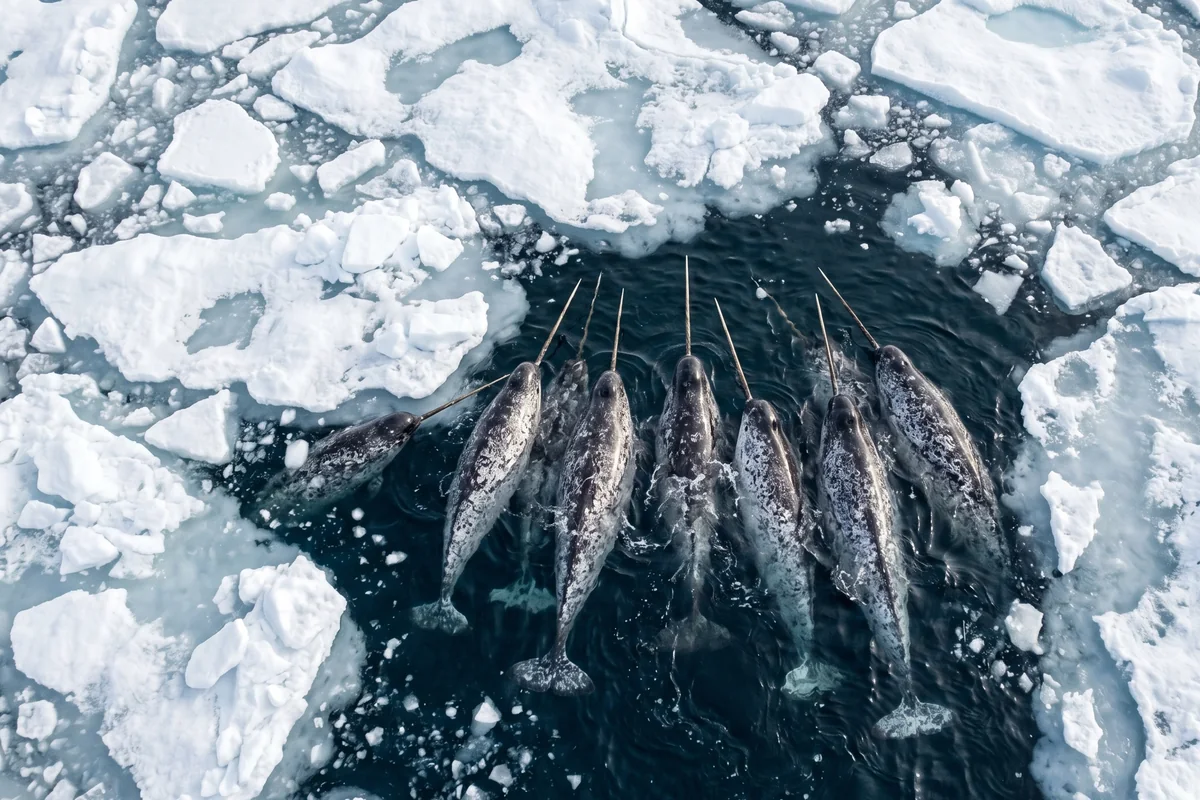
Narwhals are entirely real living animals found across the high Arctic, not mythical creatures or folklore. These toothed whales, scientifically named Monodon monoceros, inhabit the icy waters and ice floes of the Arctic region and are closely related to the beluga whale. Their existence and behavior have been extensively documented by scientists and photographed in the wild.
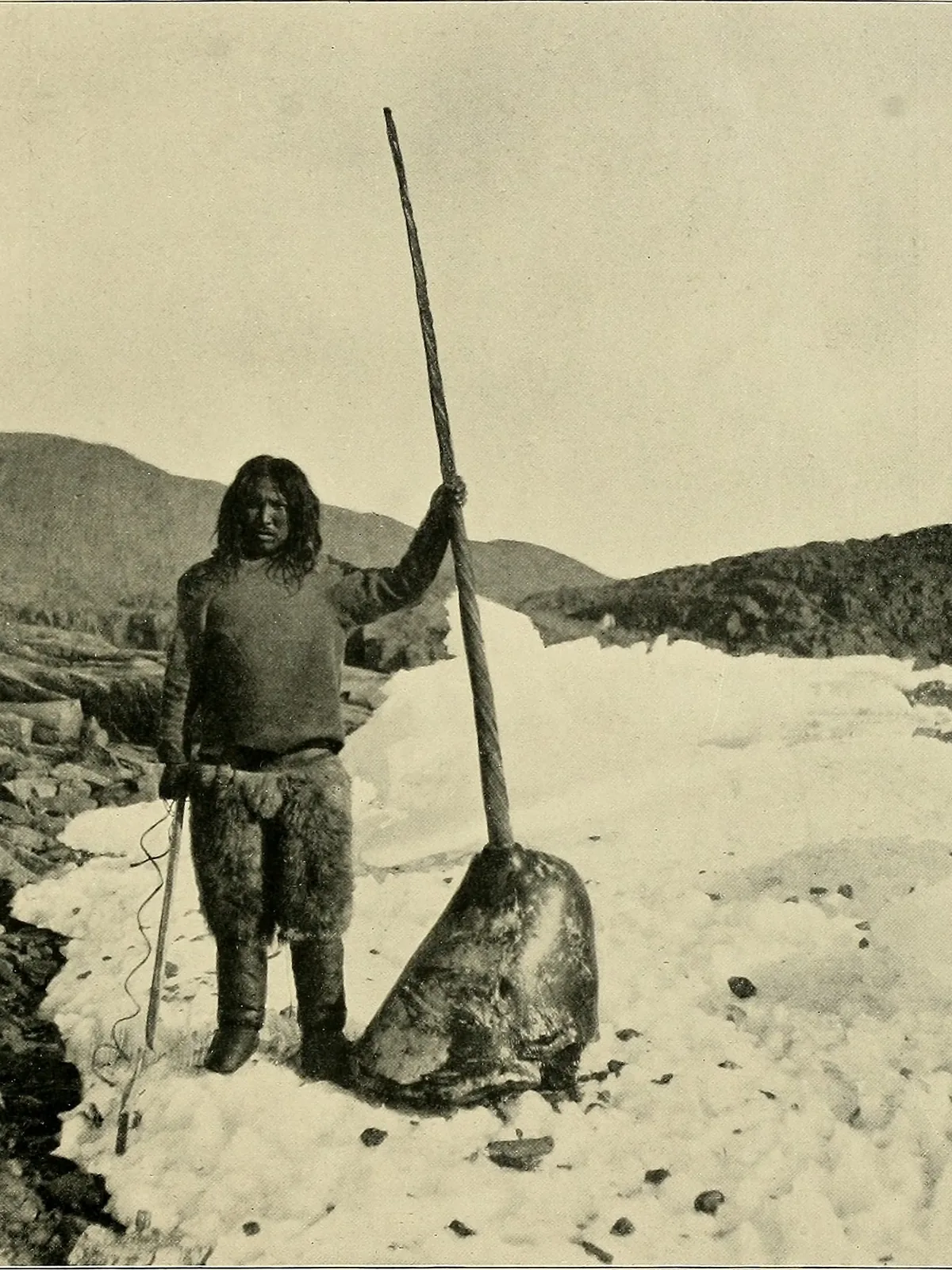
The confusion surrounding narwhals stems largely from history. For centuries, the animals' distinctive long, spiraled tusks were traded internationally and sold as "unicorn horns"—a practice that contributed to the animal's popular nickname, the "unicorn of the sea." This trade in tusks, combined with their remote habitat and unusual appearance, fueled mystique and speculation about the creatures' true nature.
Every remarkable characteristic of the narwhal—the long spiraled tooth protruding from its head, its capacity for deep dives, and its adaptation to life in ice-bound waters—is now well understood through scientific research and observation. The narwhal's tusk is actually an elongated tooth with millions of sensory nerve endings, and its other behaviors have been studied extensively by marine biologists. While the mythical unicorn remains a creature of legend, the narwhal is the remarkable real animal that inspired it.
Sources: NOAA Fisheries — Narwhal; Smithsonian Ocean — Narwhal: The Unicorn of the Sea. Educational information only. See our sources & fact-check policy.
Frequently asked questions
Are narwhals real animals?
Yes. The narwhal (Monodon monoceros) is a real Arctic toothed whale. The 'unicorn' association is historical folklore from when its tusks were sold as unicorn horns.
Real animal?
Yes — Monodon monoceros, a toothed whale
Closest relative of the are narwhals real??
The beluga whale
Nickname of the are narwhals real??
'Unicorn of the sea'
More in Narwhal
Explore more Arctic wildlife
Compare the narwhal with the beluga, bowhead, orca, walrus, and polar bear in our quick-facts table.
Compare Arctic species →