Narwhal migration
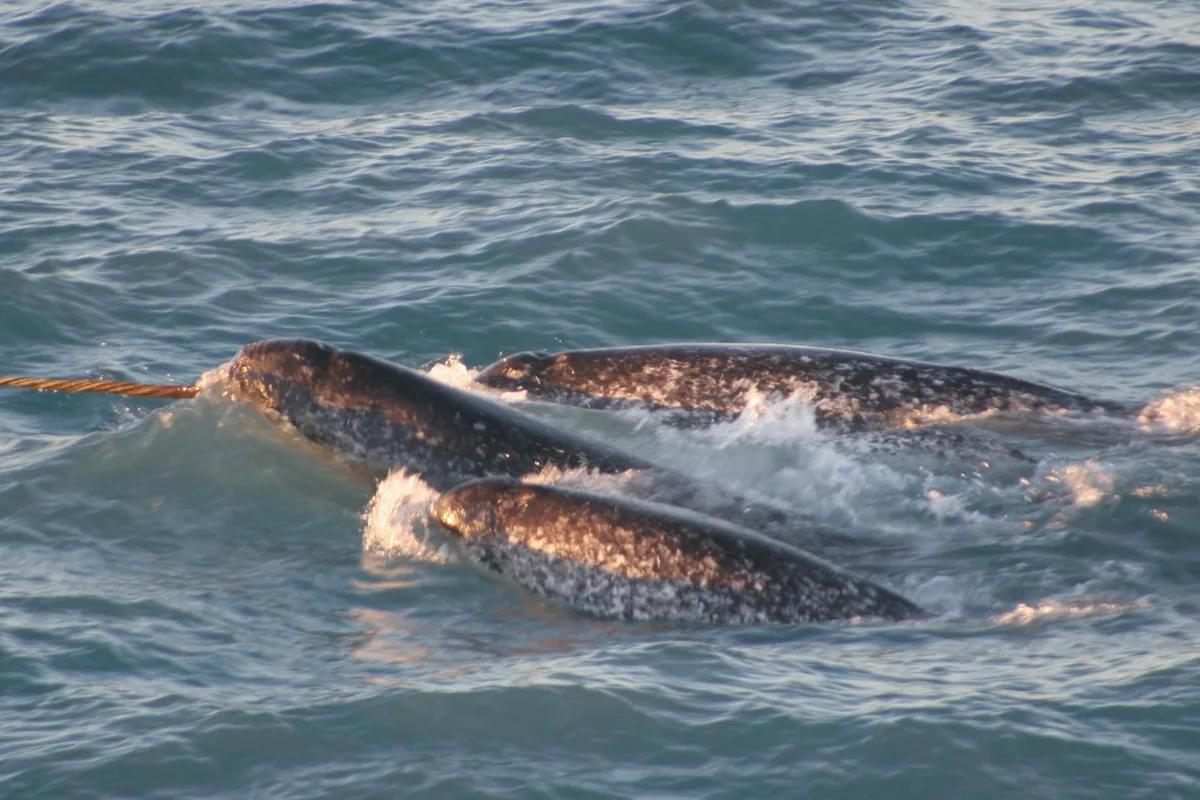
See all narwhal pictures & images →
Narwhals undertake seasonal migrations within the Arctic, shifting between distinct summer and winter ranges in response to changing sea-ice conditions. Their movements follow predictable routes that are closely tied to the seasonal advance and retreat of sea ice.
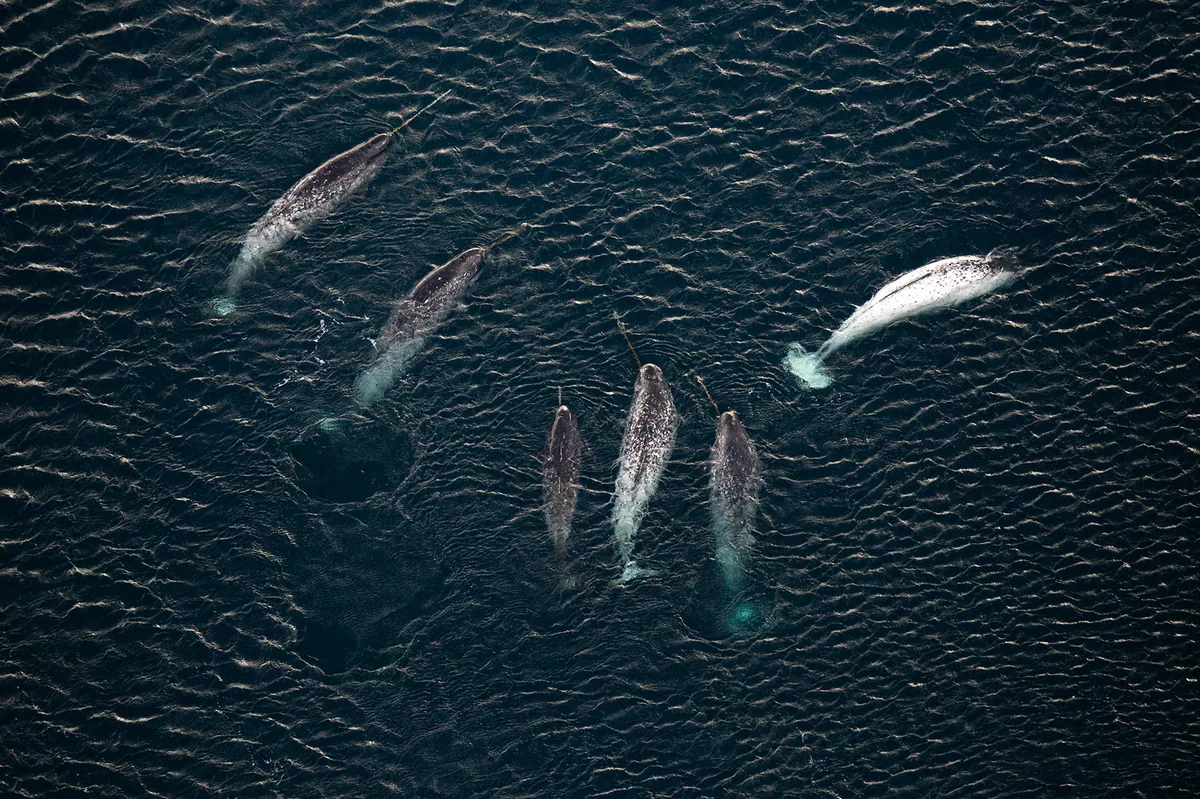
During summer, narwhals gather in coastal bays and fjords in the Canadian Arctic and Greenland. As sea ice forms and expands, they move away from these nearshore areas toward their winter range in deeper offshore waters near the edge of the pack ice. Cracks and leads in the ice in these offshore areas provide access to air, making the regions suitable for overwintering.
The pattern of movement between summer coastal areas and deeper winter waters reflects a consistent, repeating cycle driven by sea-ice dynamics. These migrations connect the shallow coastal environments where narwhals spend the warmer months with the deeper offshore wintering grounds they rely on when ice coverage increases across the Arctic.
Sources: IUCN Red List — Narwhal (Monodon monoceros); NOAA Fisheries — Narwhal. Educational information only. See our sources & fact-check policy.
Frequently asked questions
Summer range of the narwhal migration?
Coastal bays and fjords (Canadian Arctic, Greenland)
Winter range of the narwhal migration?
Deeper offshore water near the pack-ice edge
More in Narwhal
Explore more Arctic wildlife
Compare the narwhal with the beluga, bowhead, orca, walrus, and polar bear in our quick-facts table.
Compare Arctic species →