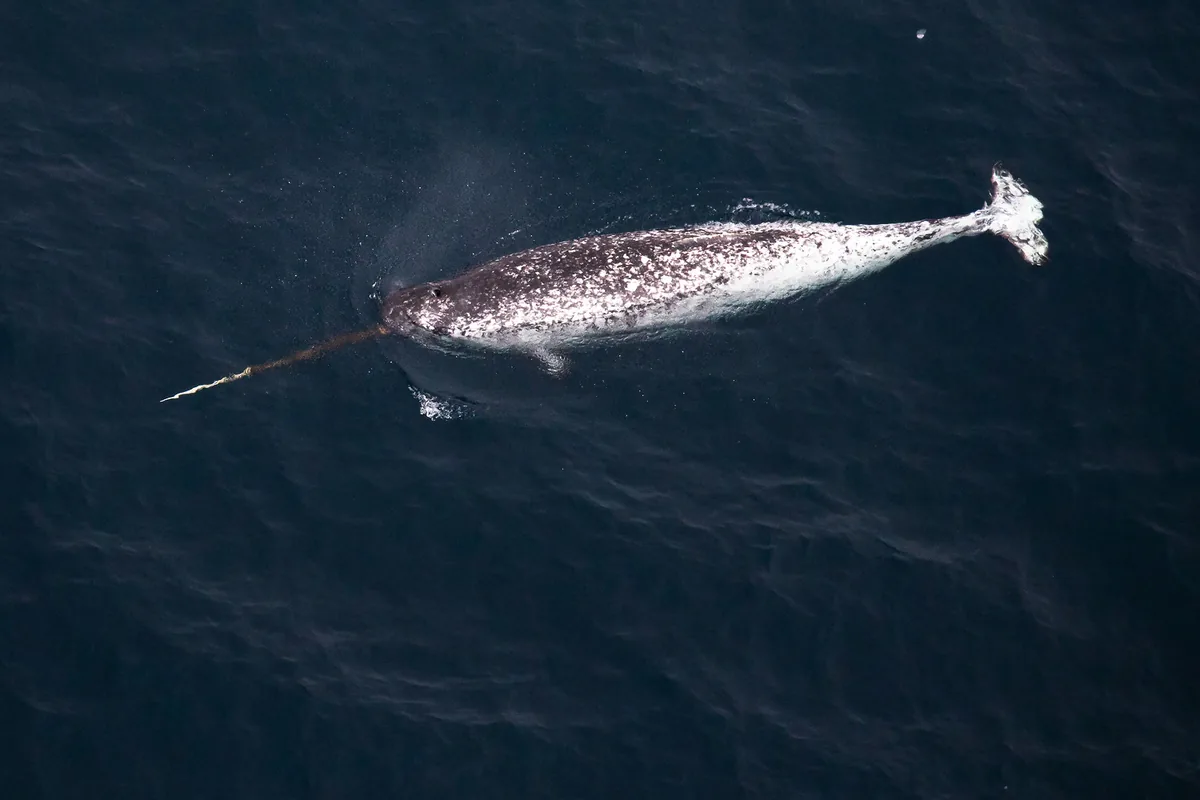
Narwhals near Svalbard and the Russian Arctic
See all narwhal pictures & images →
Narwhals inhabit a vast circumpolar range across the Arctic, but their numbers and distribution are far from uniform. While the largest and best-studied populations concentrate in the Canadian Arctic and around Greenland, a smaller contingent persists in the eastern Atlantic Arctic, including the waters surrounding the Svalbard archipelago and sections of the Russian Arctic. These eastern populations represent a significant geographic extension of the species' overall range, demonstrating that narwhals occupy suitable habitat across a broad swathe of the Arctic rather than existing in a single contiguous zone.
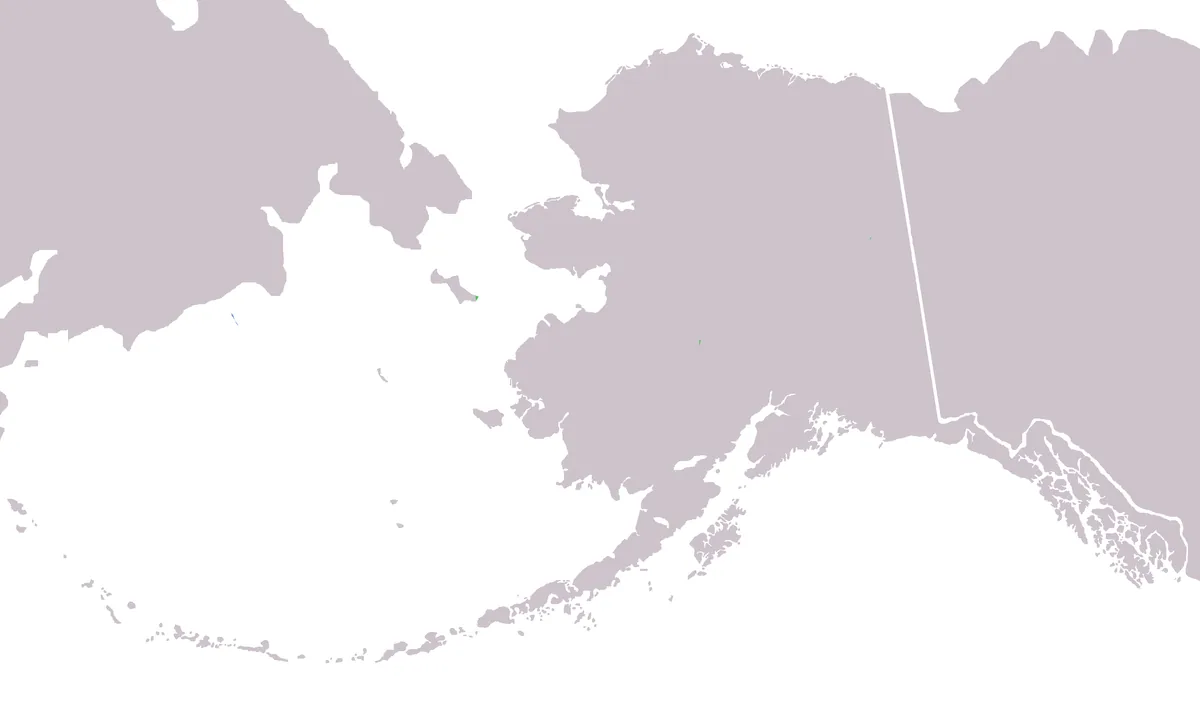
The narwhals of Svalbard and the Russian Arctic remain poorly understood compared to their western counterparts. These eastern groups are considerably less numerous and have attracted far less scientific attention than the established Canadian and Greenlandic stocks. As a result, biologists generally recognize them as separate populations, distinct from the major Atlantic narwhal assemblages that dominate the species' distribution and research literature.
The significance of these outlying eastern populations extends beyond geographic curiosity. Small, isolated narwhal groups face heightened vulnerability to both direct hunting pressure and environmental disruption, making them ecologically and conservation-wise important to monitor and protect. Understanding the full extent of narwhal distribution—including these peripheral Arctic communities—provides essential context for assessing the overall health and resilience of the species across its entire range, even where populations are sparse and difficult to study.
Sources: IUCN Red List — Narwhal (Monodon monoceros); NOAA Fisheries — Narwhal. Educational information only. See our sources & fact-check policy.
Frequently asked questions
Eastern range of the narwhals near svalbard and the russian arctic?
Svalbard and parts of the Russian Arctic
Status of the narwhals near svalbard and the russian arctic?
Smaller, less-studied populations than the west
More in Narwhal
Explore more Arctic wildlife
Compare the narwhal with the beluga, bowhead, orca, walrus, and polar bear in our quick-facts table.
Compare Arctic species →