Narwhal myths and legends
See all narwhal pictures & images →
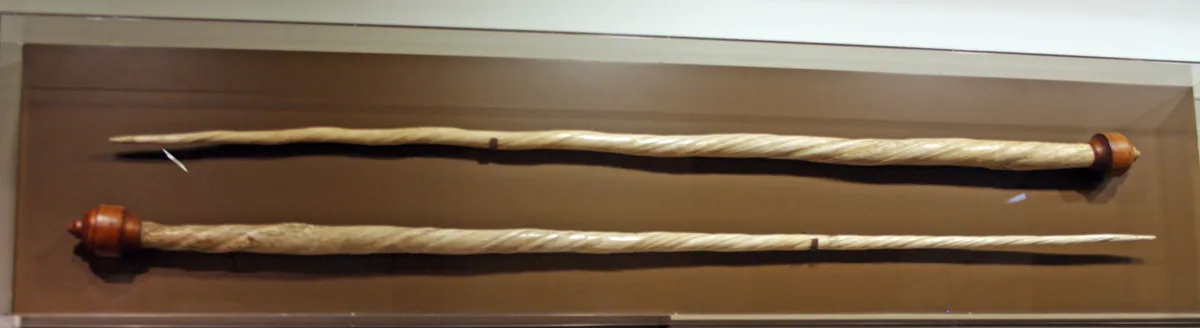
For centuries, the narwhal's distinctive spiral tusk captivated the imagination of people far beyond the Arctic. During the medieval and Renaissance periods, European traders who acquired tusks from the Arctic fashioned an elaborate mythology around them. These tusks were sold as the horns of unicorns, objects believed to possess magical or protective properties. This historical folklore drove enormous demand, with genuine narwhal tusks commanding extraordinary prices among wealthy collectors and nobility who accepted the unicorn premise as fact.

Indigenous Inuit traditions developed their own narratives to explain the narwhal's origins and the purpose of its remarkable tusk, reflecting centuries of close observation and cultural storytelling within Arctic communities. These accounts formed part of a rich body of Arctic knowledge passed down through generations.
Modern scientific study has resolved much of this mystery. Researchers have established that the narwhal's tusk is not a horn but an elongated tooth, one of two present in the animal's skull. This anatomical reality, combined with behavioral research on how narwhals actually use their tusks, has dispelled the supernatural claims and magical properties attributed to them in earlier eras. The narwhal remains a striking example of how a real Arctic animal, seen through the lens of distance and unfamiliarity, can inspire enduring legend and reshape human commerce and belief.
Sources: NOAA Fisheries — Narwhal; IUCN Red List — Narwhal (Monodon monoceros). Educational information only. See our sources & fact-check policy.
Frequently asked questions
Historical myth of the narwhal myths and legends?
Tusks sold as unicorn horns (folklore)
Reality of the narwhal myths and legends?
The tusk is an elongated tooth, not a horn
More in Narwhal
Explore more Arctic wildlife
Compare the narwhal with the beluga, bowhead, orca, walrus, and polar bear in our quick-facts table.
Compare Arctic species →