Narwhals and sea ice
See all narwhal pictures & images →
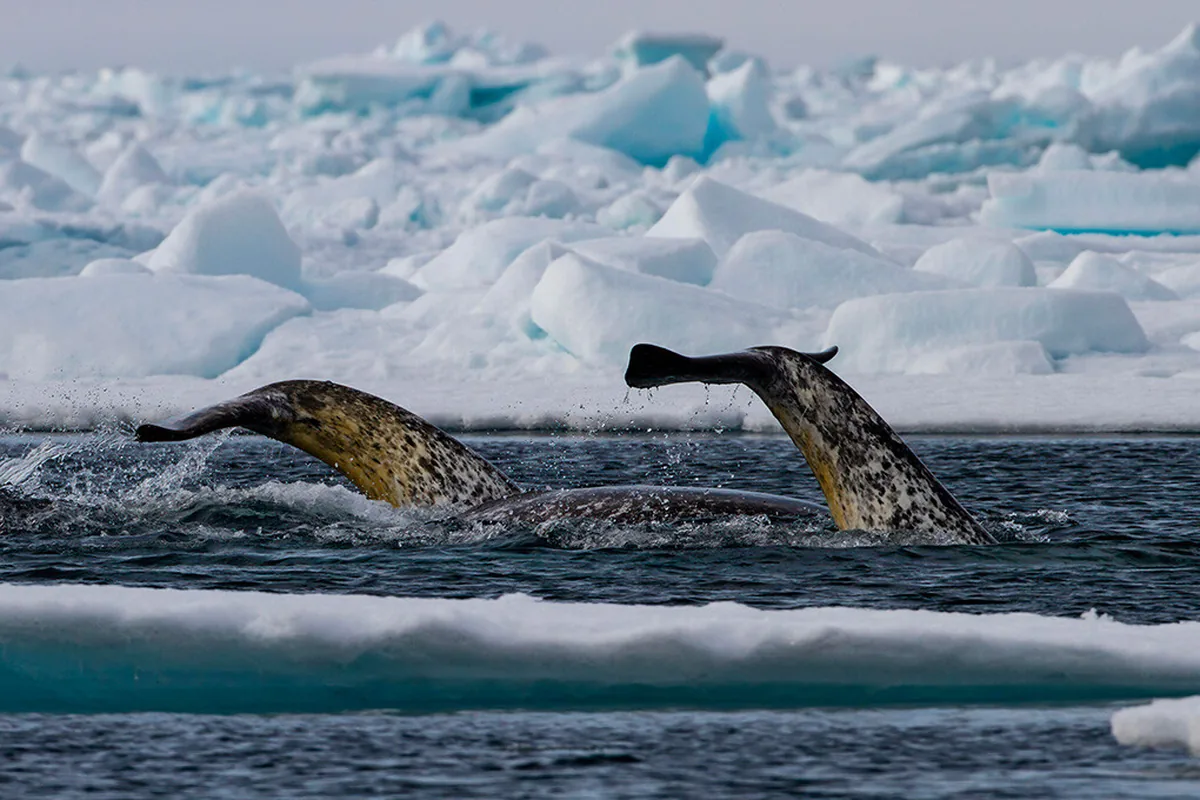
Narwhals are deeply adapted to life in Arctic sea ice, a relationship that defines their ecology and survival. These medium-sized cetaceans spend much of the year in or near ice-covered waters, relying on the fractured pack ice for essential access to air. Their distinctive finless backs allow them to surface efficiently through narrow cracks and leads without the obstruction that dorsal fins would create, making them uniquely suited to breathing in confined spaces. Beneath the ice, they forage in the cold, nutrient-rich waters that support their diet, taking advantage of the productivity that polar conditions sustain.
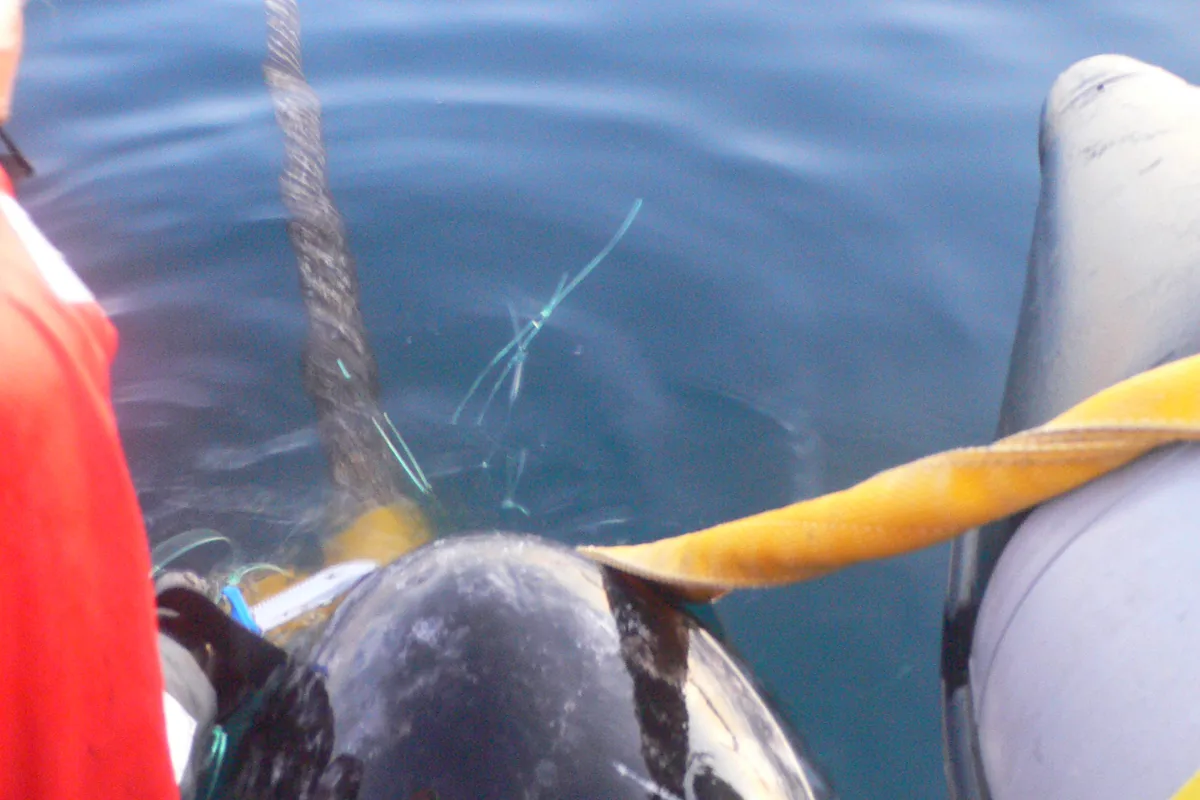
This intimate connection to sea ice, however, carries significant risk. Rapid shifts in ice cover can create dangerous entrapment situations, where narrowing openings freeze over and leave narwhals unable to reach the surface. The broader decline of Arctic sea ice due to climate change poses a more systemic threat, gradually altering the habitat structure narwhals depend on. As ice extent shrinks, narwhals face increased exposure to predators and human activity—circumstances that historically were less common in their ice-bound range.
Sea ice shapes nearly every aspect of narwhal life, from feeding and breathing to migration and shelter. Understanding the relationship between narwhals and their icy environment is essential for recognizing how environmental change affects Arctic marine ecosystems and the species that inhabit them.
Sources: IUCN Red List — Narwhal (Monodon monoceros); NOAA Fisheries — Narwhal. Educational information only. See our sources & fact-check policy.
Frequently asked questions
Winter habitat of the narwhals and sea ice?
Near the pack-ice edge with cracks and leads
Risk of the narwhals and sea ice?
Ice entrapments and broad sea-ice loss
More in Narwhal
Explore more Arctic wildlife
Compare the narwhal with the beluga, bowhead, orca, walrus, and polar bear in our quick-facts table.
Compare Arctic species →