How long narwhals live
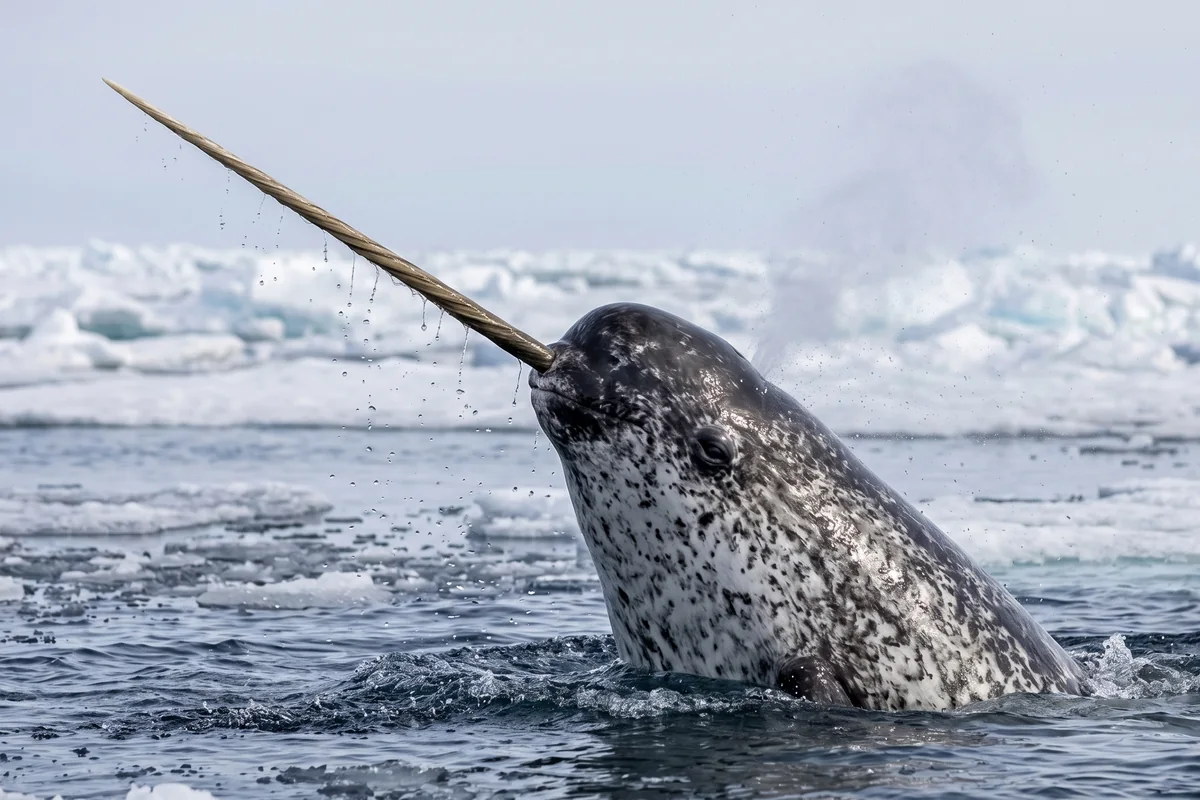
See all narwhal pictures & images →
Narwhals are exceptionally long-lived Arctic marine mammals, with lifespans that place them among the longest-living cetaceans. Scientists estimate that a typical narwhal lives roughly fifty years, though evidence suggests some individuals survive well into their eighties or beyond. Because narwhals' tusks accumulate growth layers throughout their lives—much like tree rings—researchers can extract these layers to estimate age. Chemical signatures found in the eye lens provide another indirect method for age determination. Neither approach yields a quick visual assessment of a living animal's age, so field researchers must rely on these careful laboratory analyses to build a picture of individual longevity.
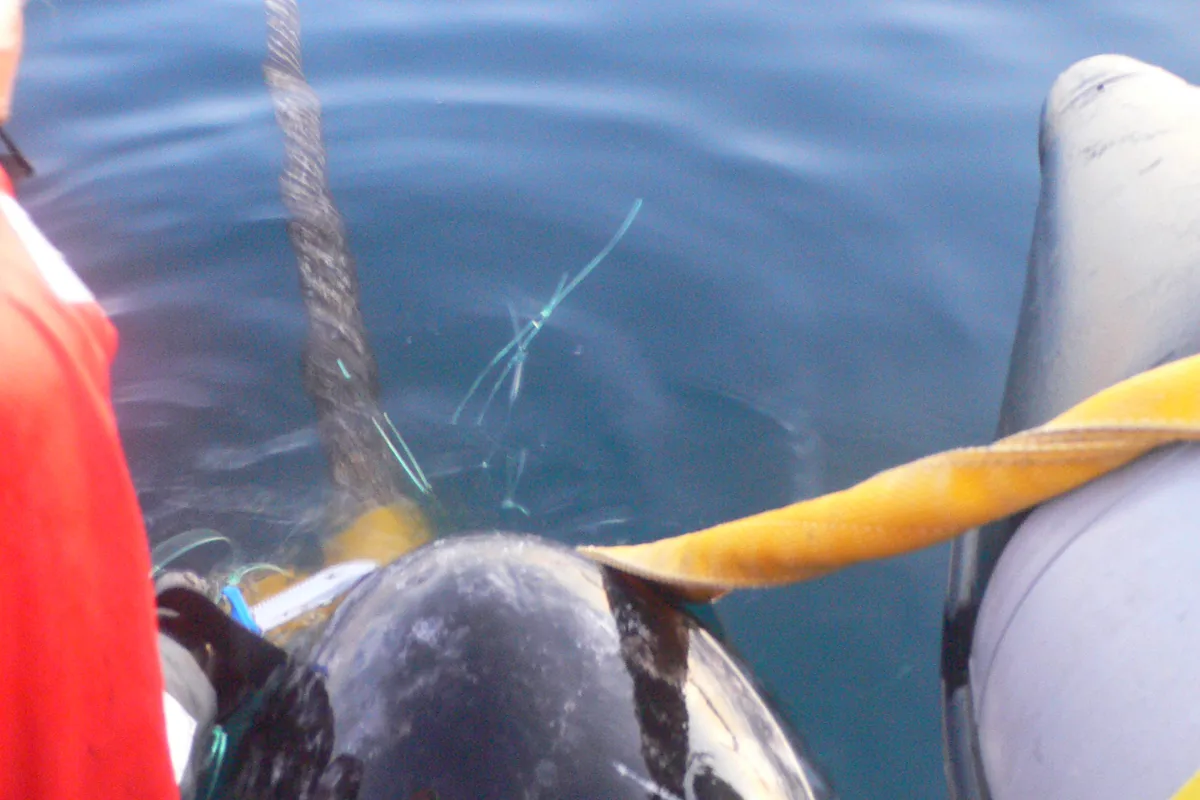
The long lifespan of narwhals is inseparable from their slow reproductive cycle. These animals reach sexual maturity relatively late in life and produce calves at wide intervals, with relatively few offspring across their lifetime. This reproductive pattern, combined with their decades-long lifespans, means that narwhal populations cannot bounce back quickly from significant losses due to hunting, illness, climate stress, or other disturbances. The consequences of this slow life history underscore the conservation imperative: understanding individual ages and monitoring population trends over extended periods remains essential to safeguarding Arctic narwhal herds. Long-term research and sustained observation are therefore critical tools for species management in the Arctic.
Sources: NOAA Fisheries — Narwhal; IUCN Red List — Narwhal (Monodon monoceros). Educational information only. See our sources & fact-check policy.
Frequently asked questions
Typical lifespan of the how long narwhals live?
Around 50 years
Maximum of the how long narwhals live?
Possibly 80+ years
How it's measured of the how long narwhals live?
Tusk growth layers; eye-lens chemistry
More in Narwhal
Explore more Arctic wildlife
Compare the narwhal with the beluga, bowhead, orca, walrus, and polar bear in our quick-facts table.
Compare Arctic species →