Narwhal predators & threats
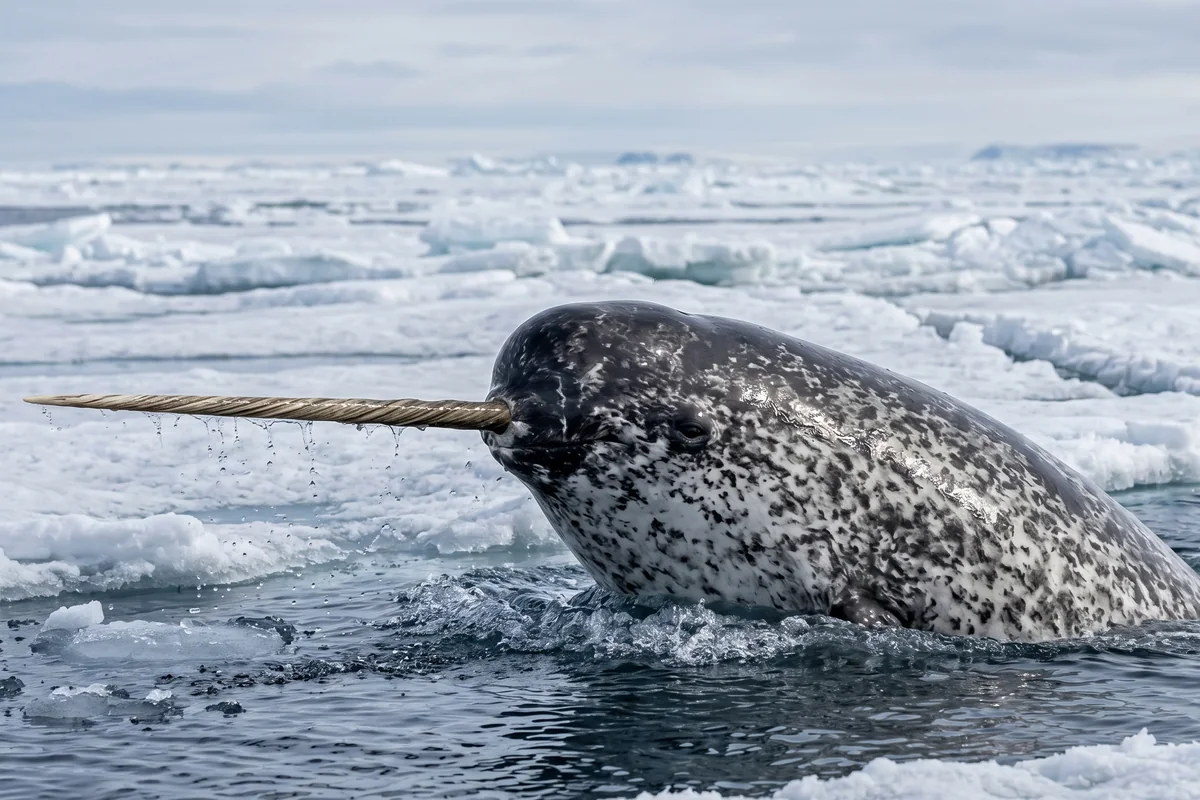
See all narwhal pictures & images →
Narwhals face predation from a range of natural predators adapted to Arctic conditions. Killer whales represent the primary threat, and their presence in Arctic waters has intensified as sea ice retreats due to warming waters. Polar bears and Greenland sharks also prey on narwhals, particularly targeting vulnerable calves or individuals trapped by seasonal ice. Humans have hunted narwhals for centuries; today, subsistence hunting by Inuit communities in Canada and Greenland continues under managed quota systems that aim to balance cultural practices with population sustainability.
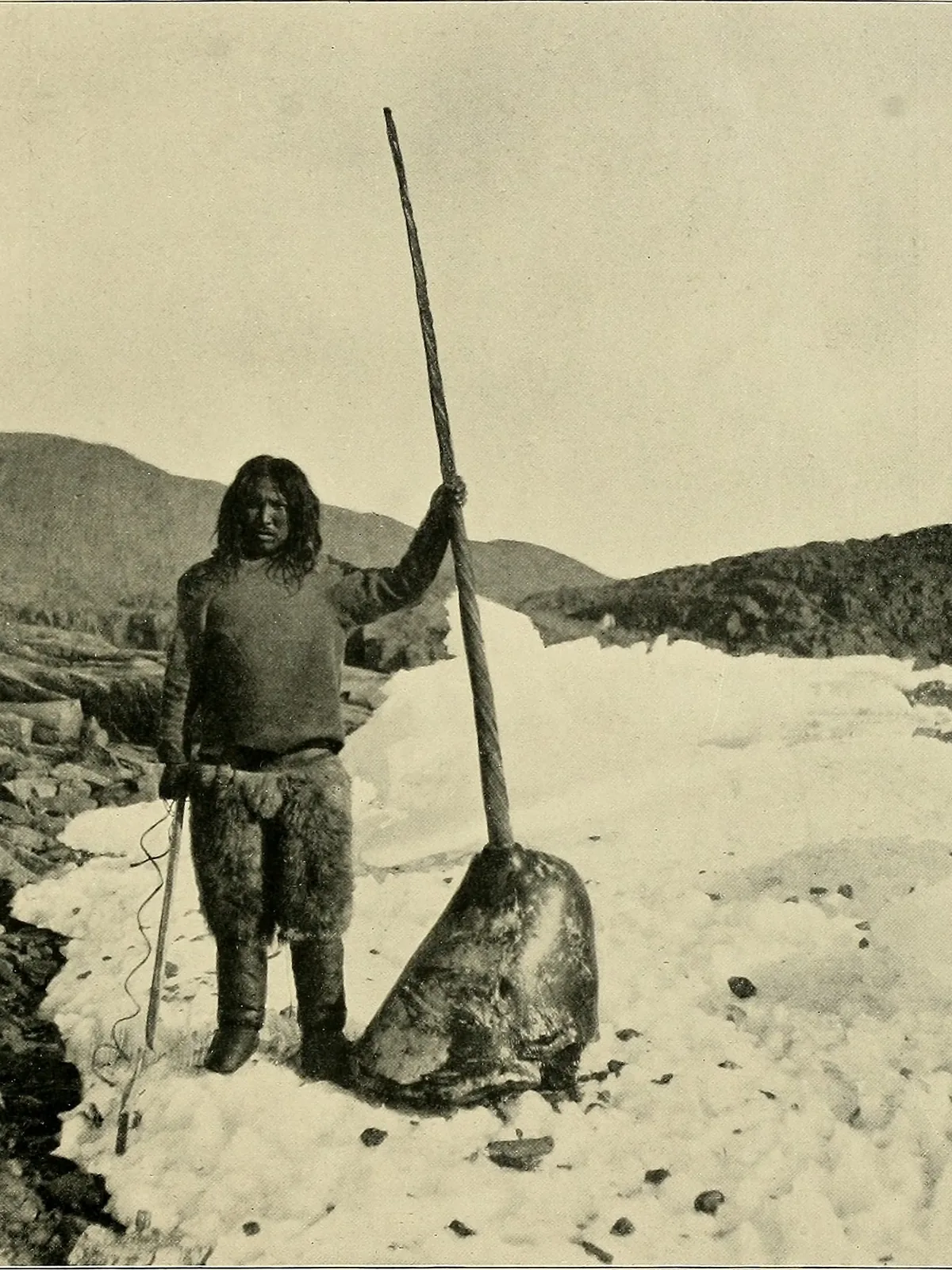
Beyond direct predation, narwhals face broader environmental pressures that may pose greater long-term risks. The loss of sea ice—a critical habitat feature—alters food availability and accessibility, while also removing protective cover that traditionally sheltered narwhals from predators. Increasing ship traffic through Arctic waters introduces another stressor: underwater noise pollution disrupts communication and navigation. Climate-driven changes to prey distribution further challenge narwhals' ability to forage efficiently. Additionally, rapid ice formation and entrapment events, sometimes exacerbated by weather extremes, can trap groups of narwhals in coastal areas where they become vulnerable to concentrated predation.
The survival of Arctic narwhal populations depends on resilience in the face of these overlapping threats. While hunting remains regulated and monitored by northern communities, the cumulative effects of climate change, shipping activity, and habitat alteration represent challenges that operate at broader ecological scales. Understanding these pressures is essential for long-term conservation planning in a rapidly changing Arctic.
Sources: IUCN Red List — Narwhal (Monodon monoceros); NOAA Fisheries — Narwhal; NAMMCO — Narwhal. Educational information only. See our sources & fact-check policy.
Frequently asked questions
Top predator of the narwhal predators & threats?
Killer whales (orcas)
Other predators of the narwhal predators & threats?
Polar bears, Greenland sharks (esp. calves)
Human use of the narwhal predators & threats?
Managed Inuit subsistence hunting (Canada, Greenland)
More in Narwhal
Explore more Arctic wildlife
Compare the narwhal with the beluga, bowhead, orca, walrus, and polar bear in our quick-facts table.
Compare Arctic species →