What do narwhals eat
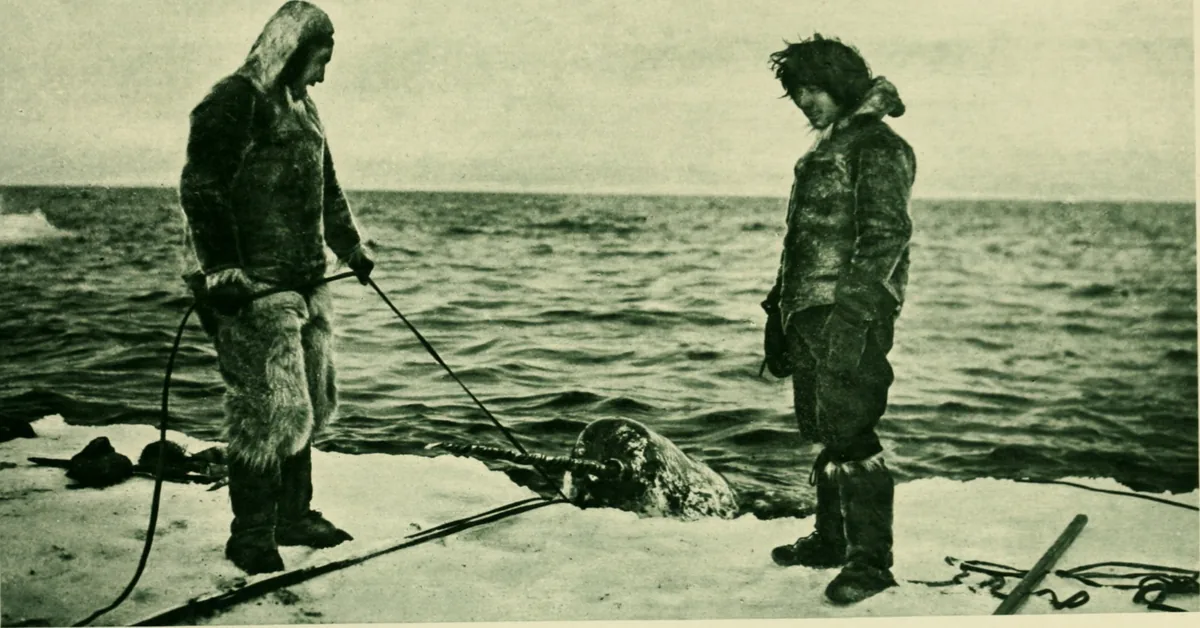
See all narwhal pictures & images →
Narwhals are carnivores adapted to hunting in the cold, deep waters of the Arctic. Their diet consists primarily of fish and invertebrates found in frigid ocean depths. Greenland halibut, Arctic cod, and polar cod form the backbone of their nutrition, supplemented by squid and shrimp. The composition and availability of these prey species varies with the seasons and the narwhal's migratory patterns.

Winter months represent a critical feeding period for narwhals, when they undertake deep dives beneath Arctic sea ice to reach dense concentrations of fish. The extreme conditions of the Arctic winter concentrate prey in specific zones, allowing narwhals to maximize feeding efficiency. Their remarkable diving capacity enables them to access food sources at depths that remain inaccessible during other seasons.
A narwhal's anatomical adaptations reflect its specialized hunting strategy. These animals possess relatively few teeth and lack the grinding surfaces needed for chewing. Instead, narwhals are believed to employ suction feeding, drawing prey rapidly into the mouth before swallowing it whole. This mechanism allows them to capture fast-moving fish and invertebrates with minimal jaw manipulation.
Narwhal feeding patterns shift with environmental and biological cycles, as prey species move through Arctic waters and seasonal ice cover expands and contracts. Understanding these dietary patterns and feeding behaviors provides insight into how narwhals sustain themselves in one of Earth's most extreme marine environments.
Sources: NOAA Fisheries — Narwhal; IUCN Red List — Narwhal (Monodon monoceros). Educational information only. See our sources & fact-check policy.
Frequently asked questions
Main prey of the what do narwhals eat?
Greenland halibut, Arctic cod, polar cod, squid, shrimp
How they feed of the what do narwhals eat?
Suction feeding; prey swallowed whole
More in Narwhal
Explore more Arctic wildlife
Compare the narwhal with the beluga, bowhead, orca, walrus, and polar bear in our quick-facts table.
Compare Arctic species →