Narwhal vs dolphin
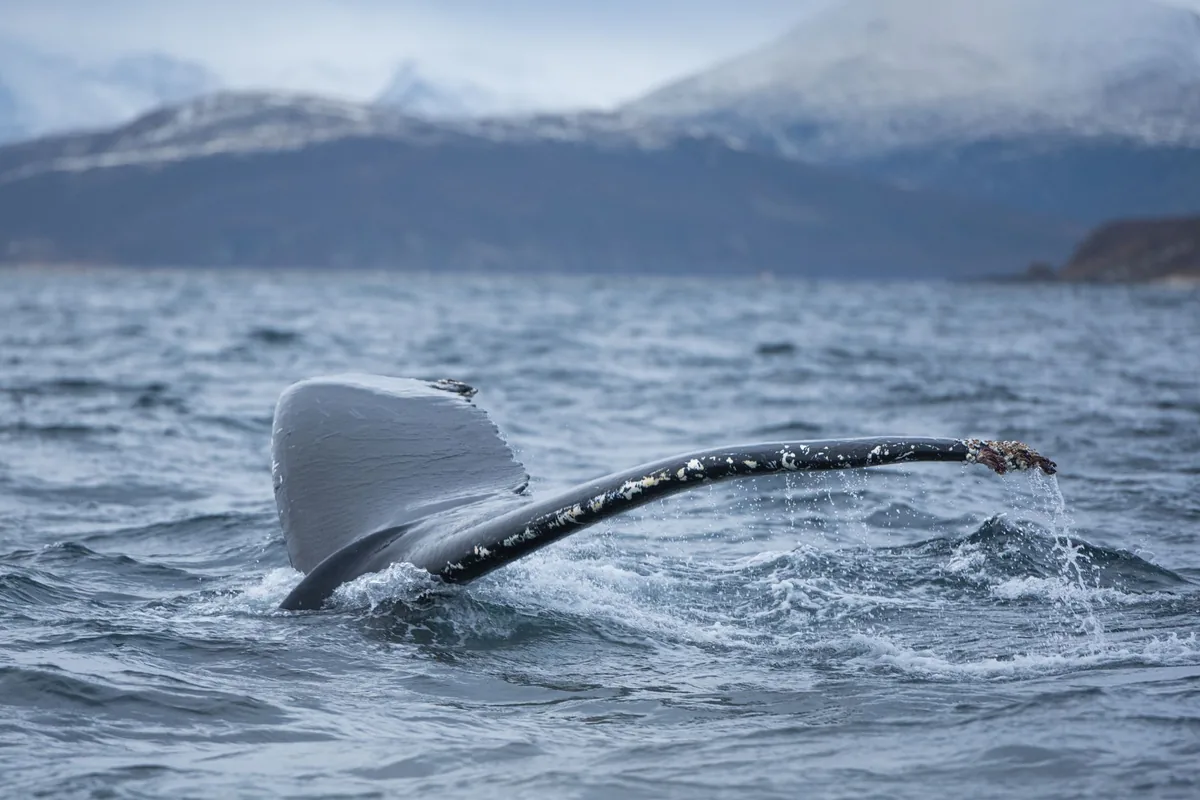
Narwhals and dolphins represent two distinct branches of the toothed whale family, the odontocetes. While both groups rely on echolocation to navigate and hunt in marine environments, their evolutionary paths have led to strikingly different forms and lifestyles. Dolphins inhabit oceans and rivers across the globe, from tropical to temperate zones, and are instantly recognizable by their prominent dorsal fins, streamlined bodies, and numerous sharp teeth lining their jaws. These cetaceans are renowned for their speed and agility near the surface, where they pursue prey with remarkable dexterity.
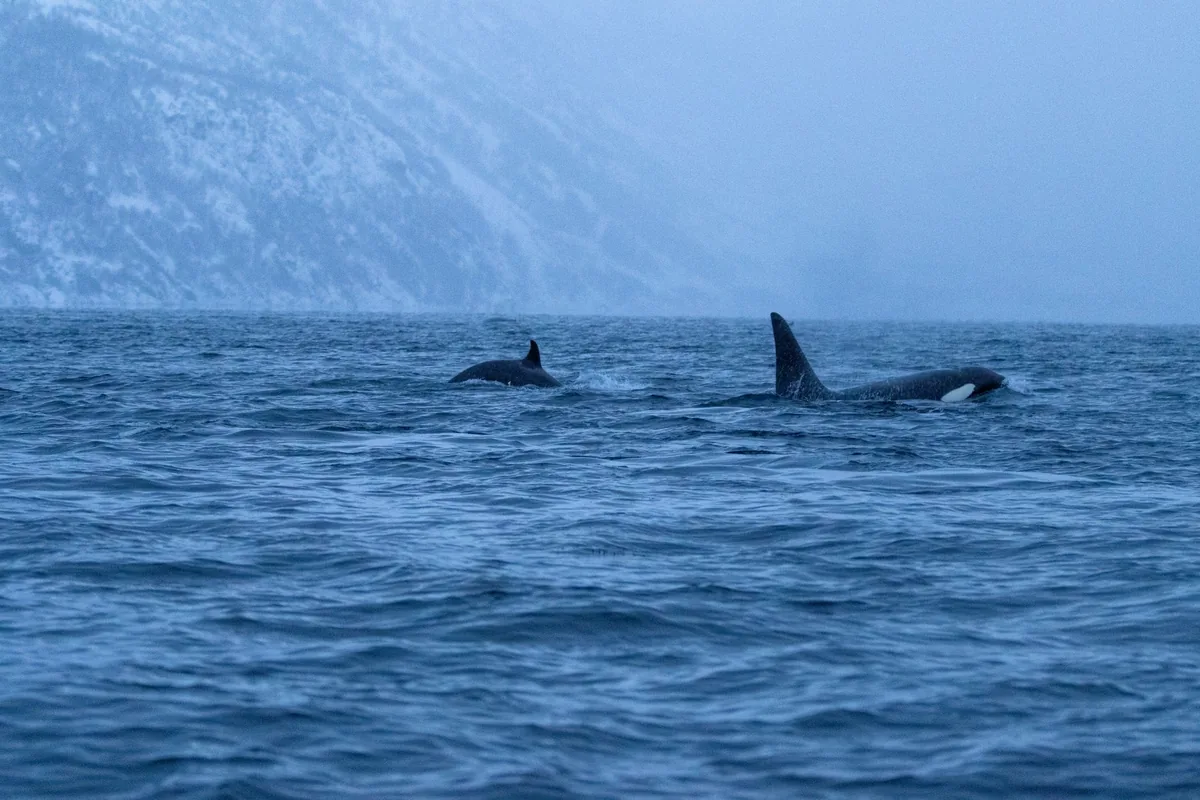
Narwhals, by contrast, have evolved as specialists of the Arctic. These animals lack the dorsal fin entirely, possess almost no functional teeth, and the males of the species bear a single elongated spiral tusk that can reach up to about three meters (roughly 10 feet) in length. Rather than hunting in open water, narwhals are adapted for deep diving beneath sea ice, where they feed in the cold waters of the High Arctic. This specialized niche demands very different anatomical and behavioral features from those of their more cosmopolitan dolphin relatives.
Both narwhals and dolphins share fundamental toothed-whale characteristics, yet their ecological roles could hardly be more different. Dolphins represent a highly successful, diverse group that thrives in varied marine habitats through active surface hunting, while narwhals exemplify extreme specialization to a single, frigid environment. Understanding these distinctions illuminates how cetaceans have adapted to virtually every ocean ecosystem on Earth.
Sources: NOAA Fisheries — Narwhal; IUCN Red List — Narwhal (Monodon monoceros); Smithsonian Ocean — Narwhal: The Unicorn of the Sea. Educational information only. See our sources & fact-check policy.
Frequently asked questions
Shared trait of the narwhal vs dolphin?
Both toothed whales that echolocate
Narwhal specialty of the narwhal vs dolphin?
No dorsal fin; Arctic deep diver with a tusk
Narwhal tusk of the narwhal vs dolphin?
A single spiral tusk in males, reaching up to about 3 metres (roughly 10 feet) long
More in Arctic whales
Explore more Arctic wildlife
Compare the narwhal with the beluga, bowhead, orca, walrus, and polar bear in our quick-facts table.
Compare Arctic species →