Bowhead whale: Arctic profile
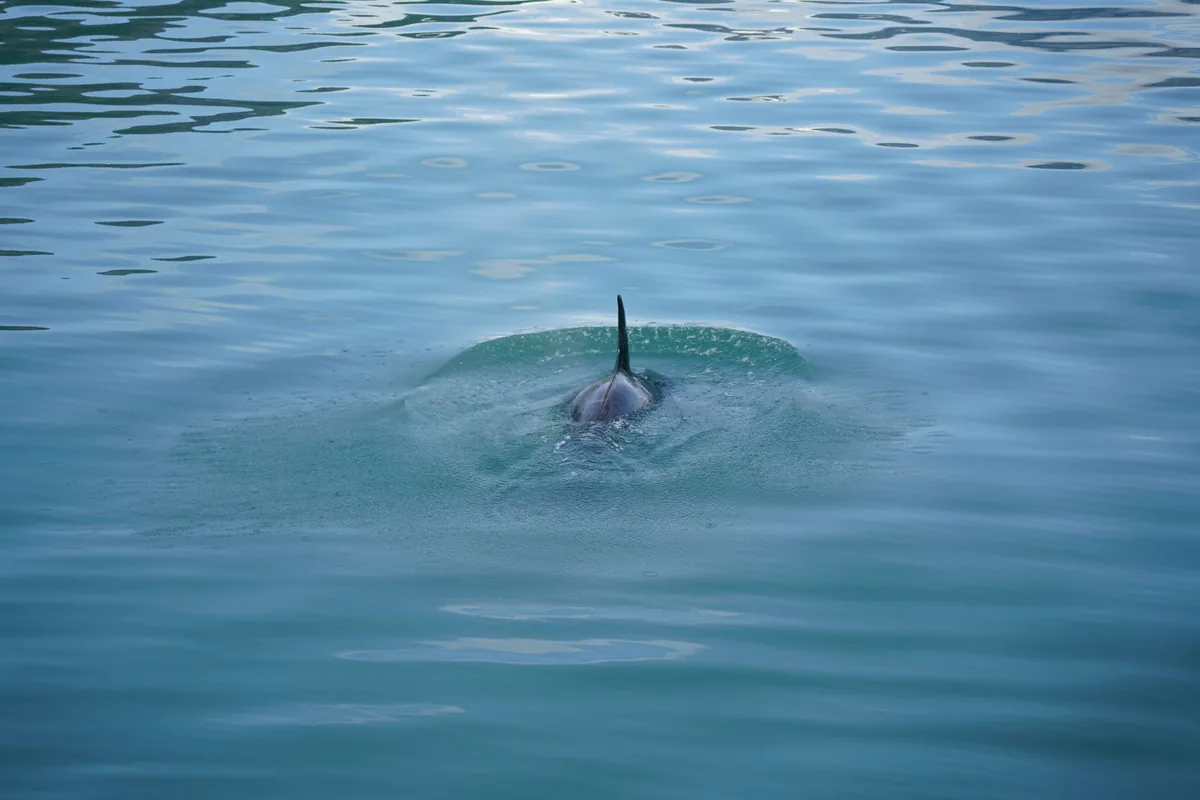
The bowhead whale is a large baleen whale uniquely adapted to life in the Arctic and subarctic seas. Named for its distinctive bow-shaped skull, the bowhead possesses one of the most remarkable anatomical features in the marine world: an enormous cranium it uses as a battering ram to break through sea ice and create breathing holes. This adaptation allows the species to thrive in environments where other large whales cannot survive, spending its entire life cycle in polar and sub-polar waters.
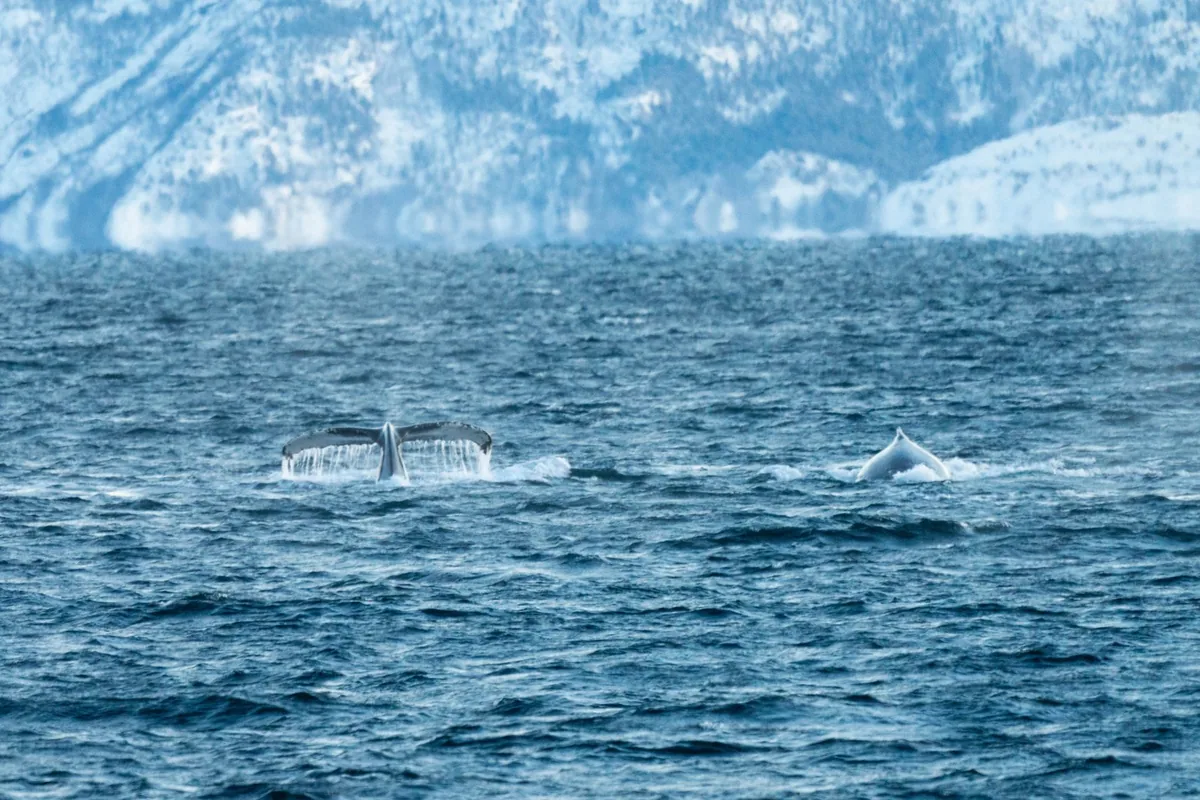
Bowheads are physiologically extreme even among whales. They possess the thickest blubber layer of any whale species, providing exceptional insulation against Arctic temperatures. Rather than hunting large prey, bowheads are filter feeders that consume vast quantities of tiny crustaceans, drawing water and plankton across long baleen plates suspended in their mouths. This diet sustains them through both productive seasons and extended periods of ice coverage.
Among the longest-lived mammals on Earth, bowhead whales are thought to reach ages well over a century, making them subjects of ongoing scientific interest. Historically, commercial whaling severely depleted global populations, though recovery efforts and regional population growth have allowed some stocks to rebound. Today, bowheads remain central to both conservation strategy and traditional subsistence practices in Arctic Indigenous communities, balancing ecological protection with cultural continuity. The species exemplifies both the fragility and resilience of Arctic marine life.
Sources: NOAA Fisheries — Bowhead Whale; IUCN Red List — Bowhead (Balaena mysticetus). Educational information only. See our sources & fact-check policy.
Frequently asked questions
Feeding of the bowhead whale: arctic profile?
Baleen filter feeder on small crustaceans
Longevity of the bowhead whale: arctic profile?
Among the longest-lived mammals
More in Arctic whales
Explore more Arctic wildlife
Compare the narwhal with the beluga, bowhead, orca, walrus, and polar bear in our quick-facts table.
Compare Arctic species →