Narwhal size compared with other whales
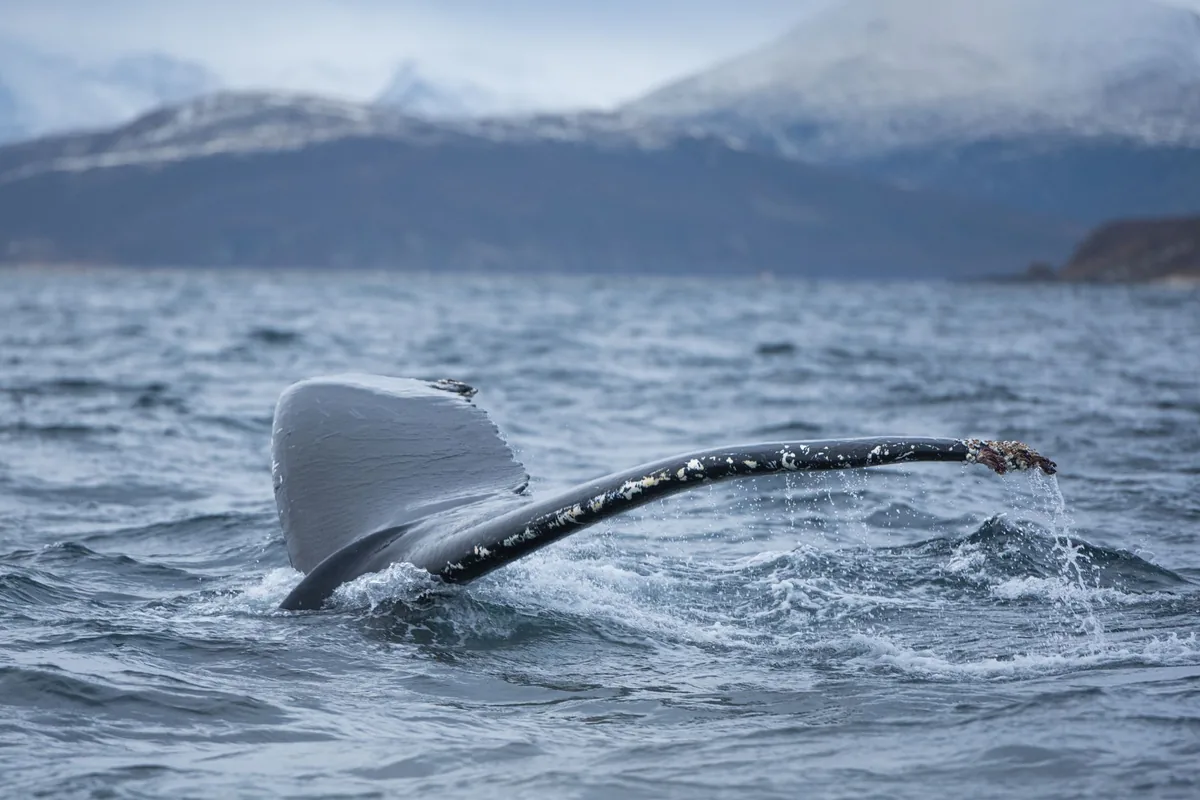
The narwhal occupies a middle position on the scale of cetacean size, considerably larger than most dolphin species yet far smaller than the great whales that share its Arctic range. Within the family Monodontidae, narwhals are closely matched in overall body size by their nearest relative, the beluga whale, the two species representing the only members of that family. By contrast, the bowhead whale — a baleen whale of the Arctic that filter-feeds and undertakes long seasonal migrations — stands among the largest animals on Earth, dwarfing the narwhal considerably.
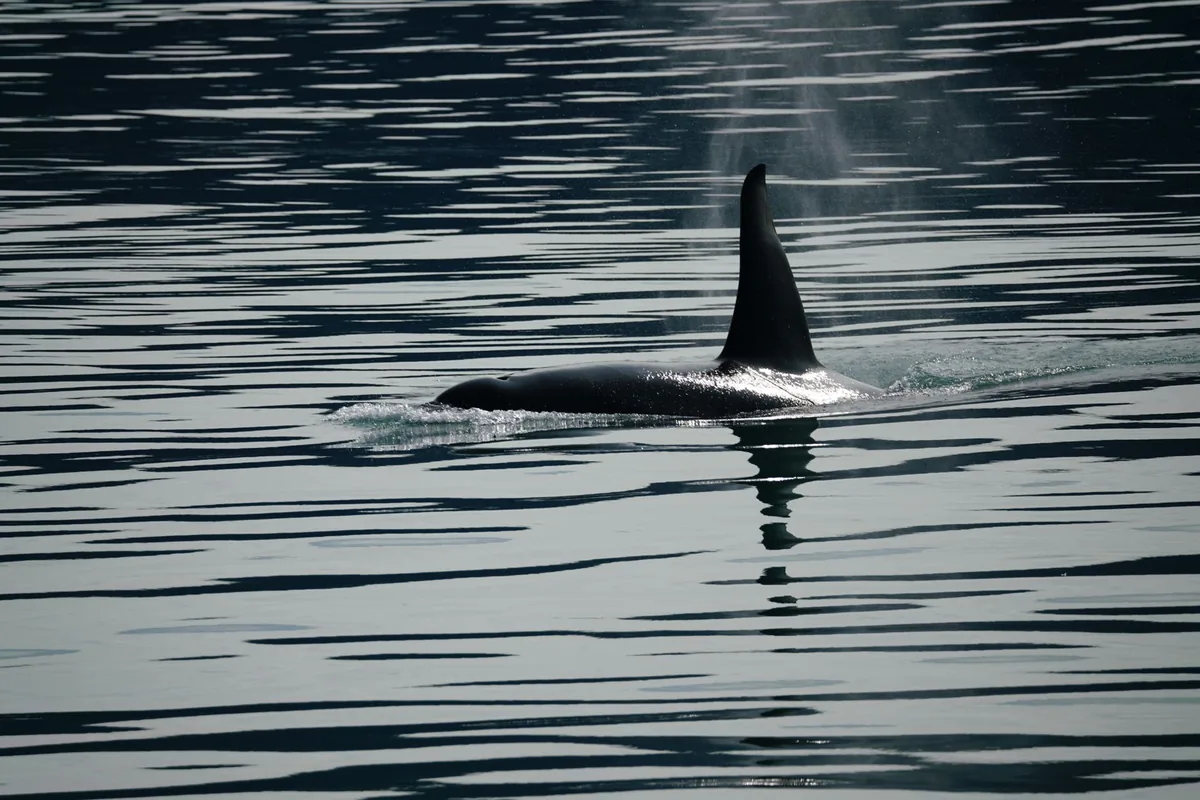
Among toothed whales, narwhals are similarly outscaled by sperm whales and orcas, both of which surpass them substantially in length and mass. The narwhal's build is stocky and streamlined rather than massive, a form suited to deep diving and precise manoeuvring through shifting sea ice rather than to the sustained long-distance migrations or bulk feeding strategies that characterise the ocean's largest cetaceans.
This body plan reflects the particular demands of the narwhal's Arctic environment, where agility and the capacity for deep foraging dives are more advantageous than sheer size. As a medium-sized whale, the narwhal occupies a distinct ecological niche, sitting well above the smaller odontocetes in bulk while remaining one of the more modestly proportioned whales within its Arctic habitat.
Sources: NOAA Fisheries — Narwhal; IUCN Red List — Narwhal (Monodon monoceros); NOAA Fisheries — Bowhead Whale; IUCN Red List — Bowhead (Balaena mysticetus). Educational information only. See our sources & fact-check policy.
Frequently asked questions
Similar size of the narwhal size compared with other whales?
Comparable to the beluga
Much larger neighbour of the narwhal size compared with other whales?
The bowhead whale — a migrating baleen filter-feeder, among the largest animals on Earth — dwarfs the narwhal
More in Arctic whales
Explore more Arctic wildlife
Compare the narwhal with the beluga, bowhead, orca, walrus, and polar bear in our quick-facts table.
Compare Arctic species →