Narwhal tusk growth and spiral
See all narwhal pictures & images →
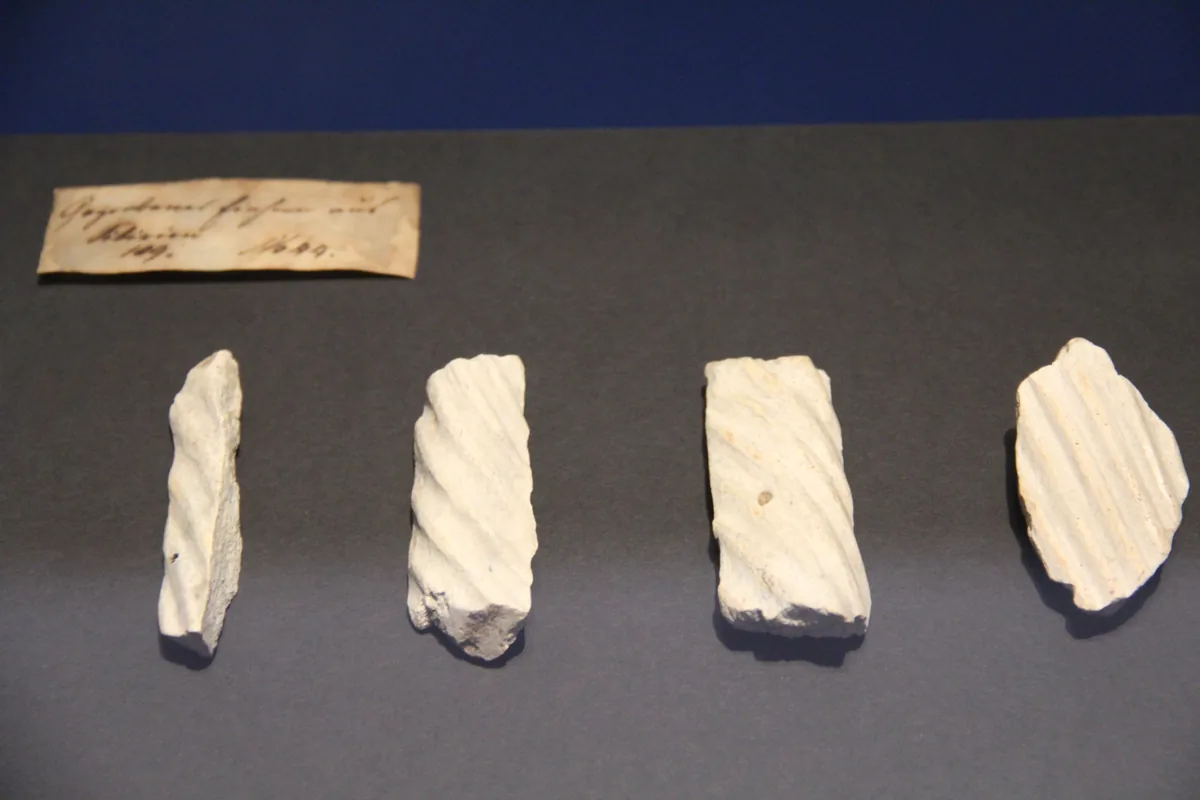
The narwhal's tusk stands as one of the Arctic's most distinctive biological structures—an extraordinary elongated tooth that emerges from the upper jaw and grows throughout the animal's lifetime. Unlike most mammalian teeth, the tusk develops in a consistent left-handed spiral pattern that tightens gradually as the tooth lengthens. This unusual growth direction, maintained from eruption onward, gives the tusk its characteristic twisted appearance and makes it immediately recognizable among Arctic marine mammals.
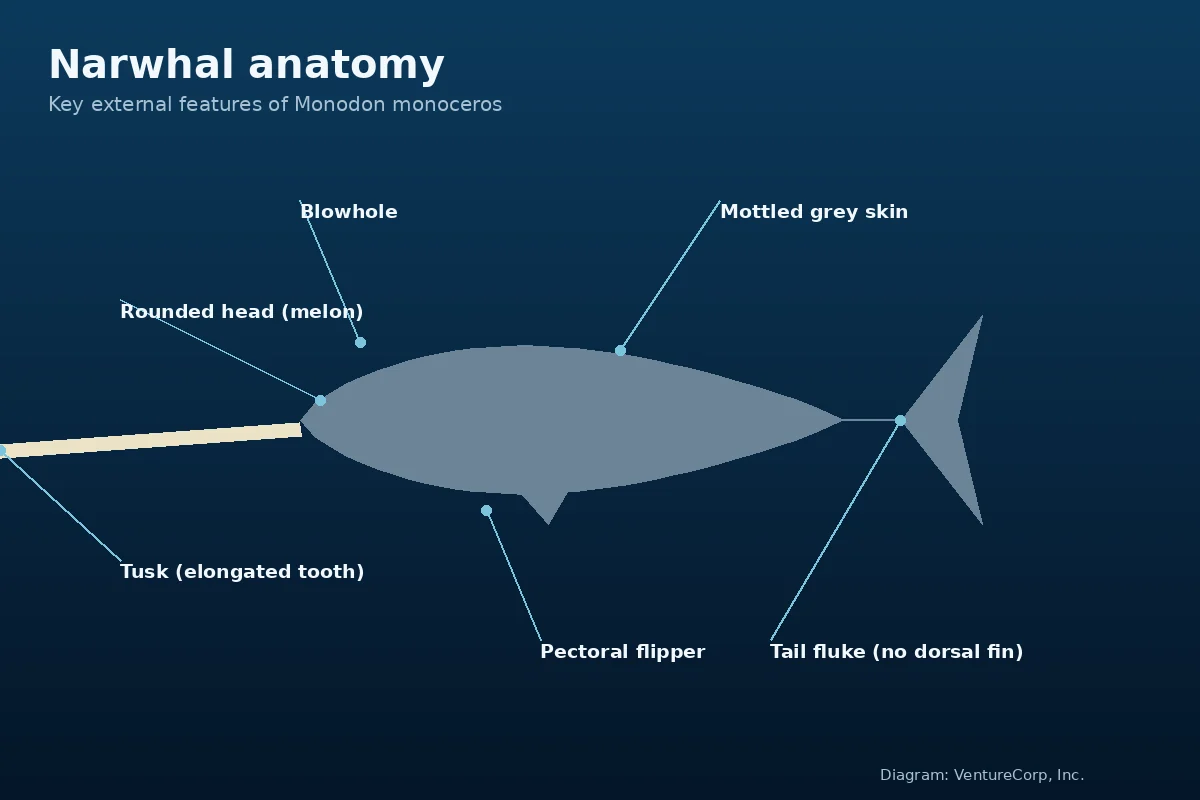
The tusk's internal composition sets it apart from typical dental structures. Rather than being a solid, hard bone-like formation, the narwhal's tusk is relatively porous and contains an unusually rich network of nerve fibers. Its outer surface is comparatively soft, a trait that further distinguishes it from conventional teeth. In most cases, tusks develop in males, and the tooth can reach considerable length as the animal ages, continuously pushing forward through the lip.
While the single tusk is the norm, narwhals occasionally display anatomical variation. Some individuals develop two tusks, and a small percentage of females grow a smaller tusk of their own, demonstrating that this remarkable tooth can manifest in different forms across the population. The slow, steady growth of the tusk across a narwhal's lifespan, combined with its spiraled form and neural sensitivity, makes it a uniquely adapted structure found nowhere else in the mammalian world.
Sources: NOAA Fisheries — Narwhal; IUCN Red List — Narwhal (Monodon monoceros). Educational information only. See our sources & fact-check policy.
Frequently asked questions
Spiral of the narwhal tusk growth and spiral?
Consistent left-handed twist
Variation of the narwhal tusk growth and spiral?
Rarely two tusks; some females grow a small one
More in Narwhal
Explore more Arctic wildlife
Compare the narwhal with the beluga, bowhead, orca, walrus, and polar bear in our quick-facts table.
Compare Arctic species →