Narwhal summer vs winter behavior
See all narwhal pictures & images →
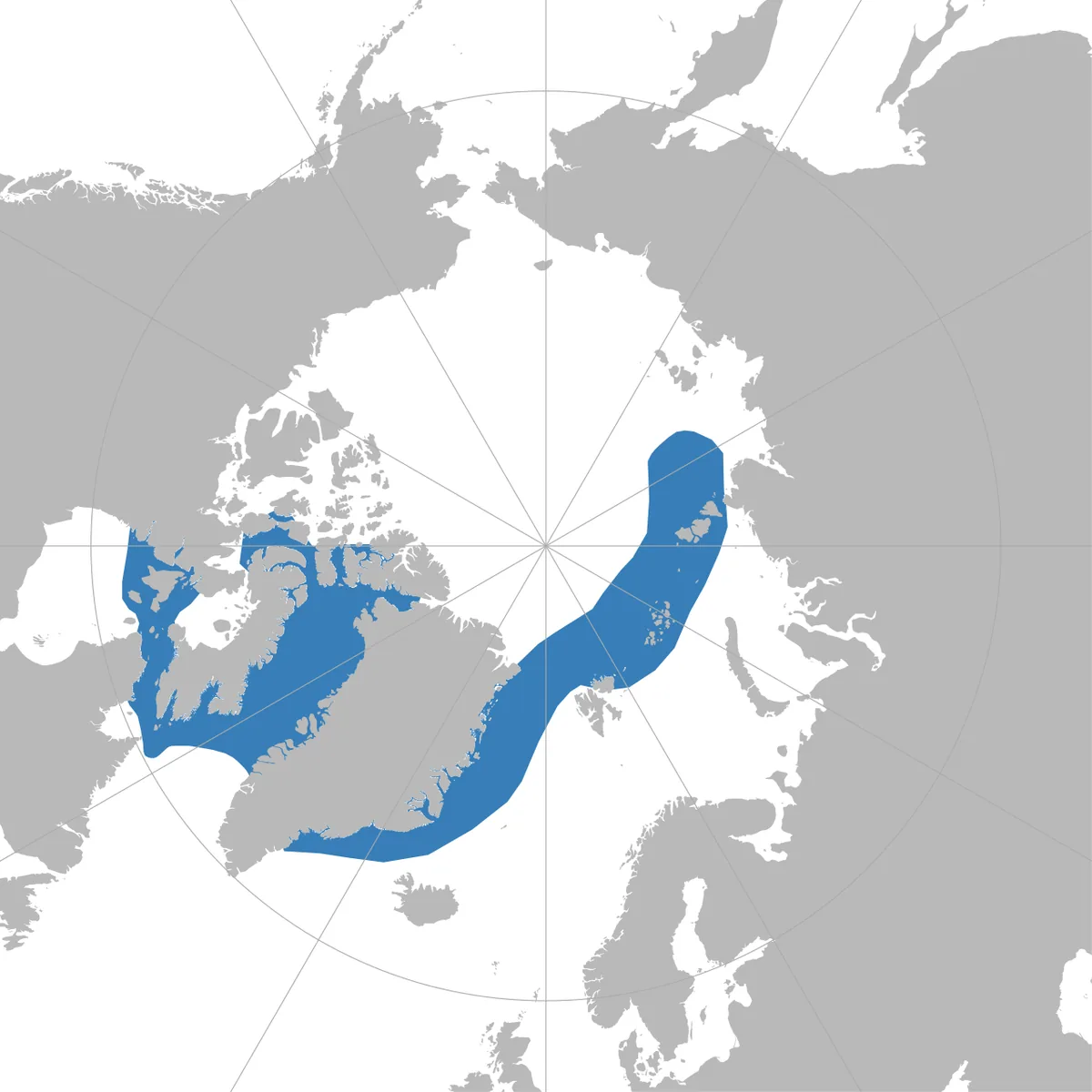
Narwhals display one of the most pronounced seasonal shifts in behaviour of any Arctic marine mammal, with their movements and feeding strategies tied directly to the advance and retreat of sea ice. During the brief Arctic summer, the whales gather in coastal bays and fjords, often forming large aggregations in the open water that emerges as ice breaks up near shore. These nearshore areas serve as important seasonal feeding grounds, and the congregation of animals in relatively accessible inlets makes summer the period when narwhals are most visible.
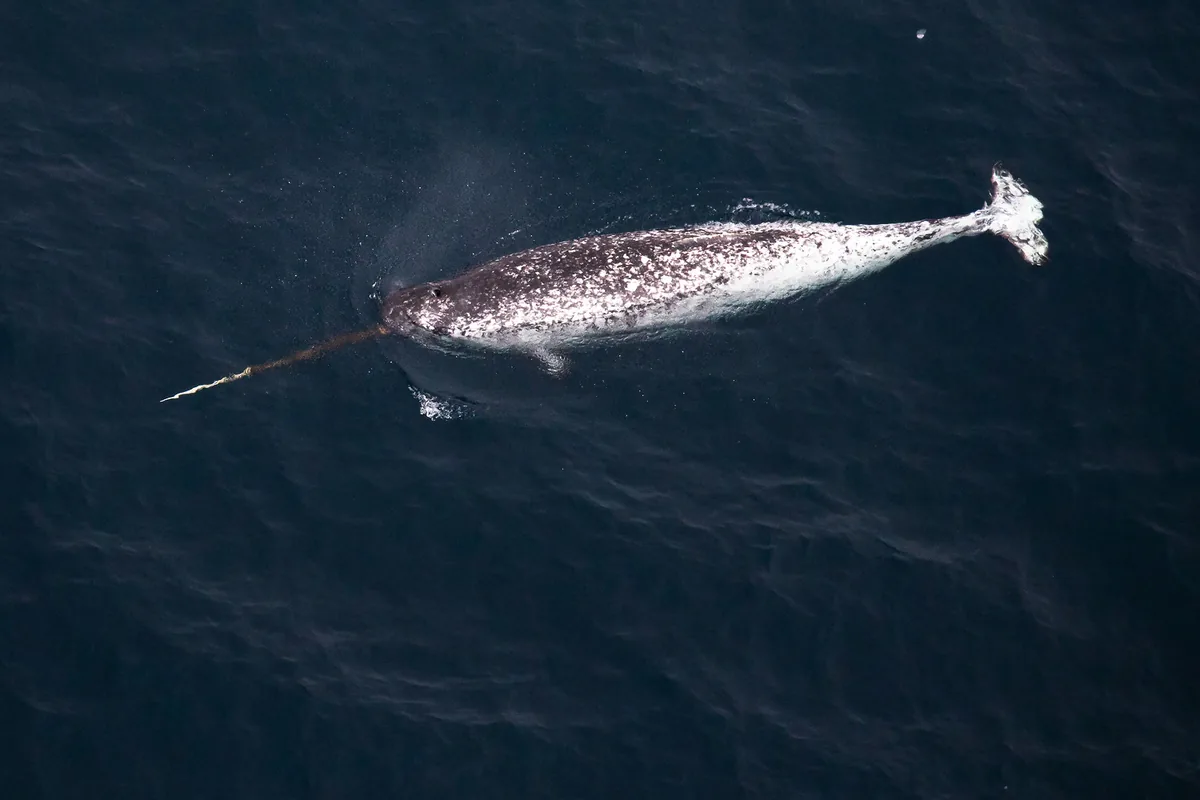
As autumn arrives and sea ice begins to re-form, narwhals leave their coastal summering grounds and migrate along predictable routes toward deep offshore wintering areas near the pack ice. In these darker, colder waters they undertake their most intense deep dives, targeting fish in conditions that are far more demanding than anything encountered closer to shore in summer.
The contrast between shallow coastal summering and deep offshore winter diving represents one of the clearest and most well-documented patterns in narwhal ecology. Both phases of the cycle depend on the predictable rhythm of Arctic sea ice, and disruptions to that rhythm affect the species at every stage of the year. For this reason, narwhals are widely regarded among researchers as one of the Arctic marine mammals most sensitive to changing sea-ice conditions, making them a significant indicator species for the health of the broader Arctic marine environment.
Sources: IUCN Red List — Narwhal (Monodon monoceros); NOAA Fisheries — Narwhal. Educational information only. See our sources & fact-check policy.
Frequently asked questions
Summer of the narwhal summer vs winter behavior?
Coastal bays and fjords, large aggregations, open-water feeding
Winter of the narwhal summer vs winter behavior?
Offshore near pack ice, intense deep diving
More in Narwhal
Explore more Arctic wildlife
Compare the narwhal with the beluga, bowhead, orca, walrus, and polar bear in our quick-facts table.
Compare Arctic species →