Narwhal ice entrapment events
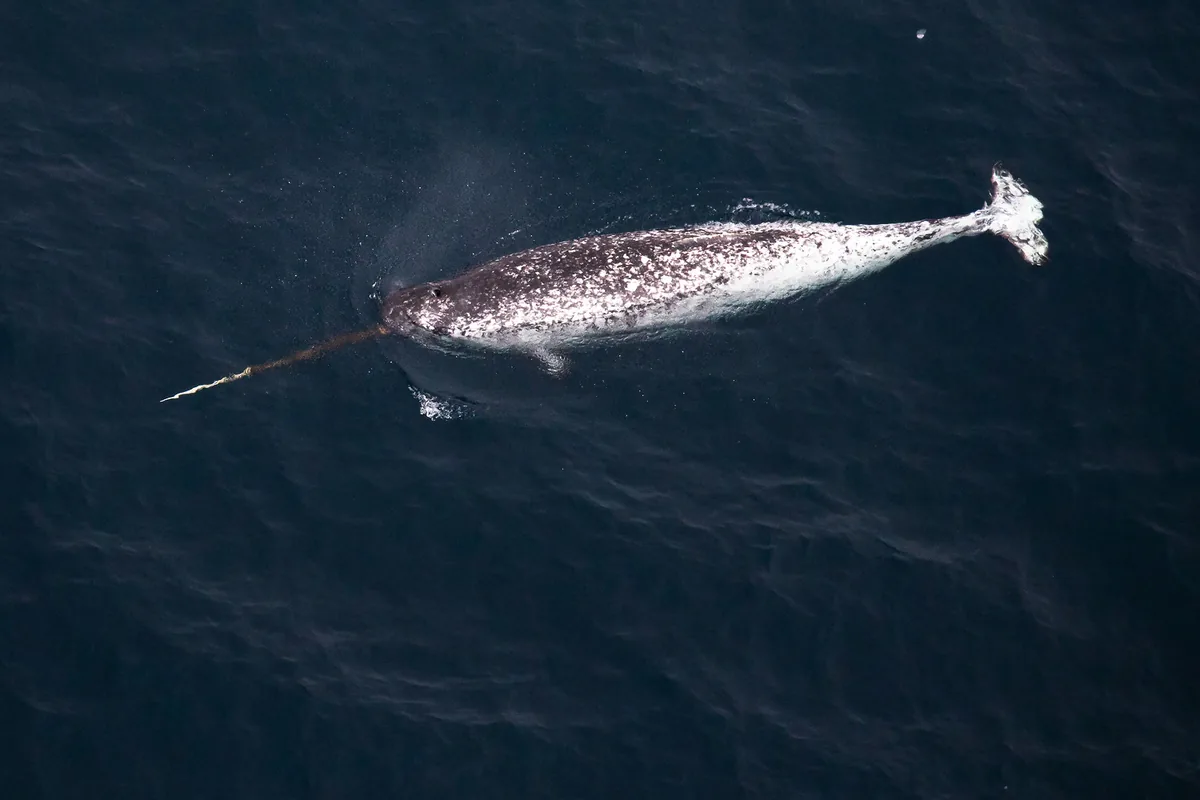
See all narwhal pictures & images →
Narwhals inhabit some of the world's most extreme marine environments, where sudden environmental shifts pose constant challenges to survival. One significant natural hazard in their Arctic habitat is ice entrapment—a phenomenon in which narwhals become confined to small areas of open water when ice freezes over the breathing holes they depend on. These openings can close rapidly in response to sudden temperature drops or shifting wind patterns, trapping individual animals or entire groups in progressively shrinking patches of accessible water.
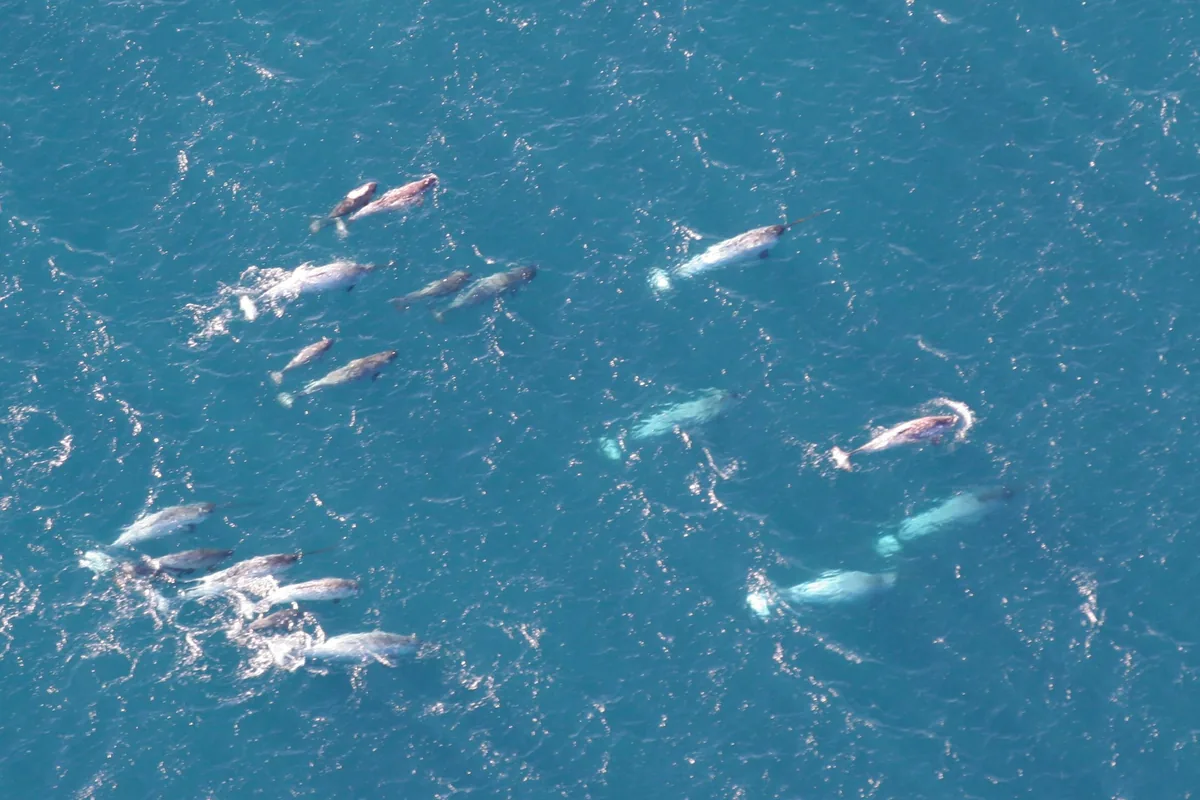
The mechanics of entrapment are straightforward but severe. As ice conditions change, narwhals may find themselves cut off from larger openings to the surface, unable to breathe. If they cannot locate or create new breathing holes before the remaining open water seals completely, the consequences can be fatal. Scientists and Inuit hunters who work and live in Arctic waters have documented these events over many years, confirming that ice entrapment represents a genuine and recurring risk in the narwhals' natural lifecycle.
Current research has drawn attention to how shifting Arctic climate patterns may alter the frequency and unpredictability of ice entrapment events. Traditional ice dynamics in narwhal habitat are becoming less stable, potentially creating conditions in which such entrapments could occur more irregularly or with different timing than in the past. While ice entrapment remains a natural feature of Arctic marine ecology, the changing character of sea ice adds another layer of environmental pressure to narwhal populations already facing multiple ecological challenges.
Sources: IUCN Red List — Narwhal (Monodon monoceros); NOAA Fisheries — Narwhal. Educational information only. See our sources & fact-check policy.
Frequently asked questions
Cause of the narwhal ice entrapment events?
Breathing openings freeze over in shifting ice
Outcome of the narwhal ice entrapment events?
Can be fatal if no larger opening is reachable
More in Narwhal
Explore more Arctic wildlife
Compare the narwhal with the beluga, bowhead, orca, walrus, and polar bear in our quick-facts table.
Compare Arctic species →