Narwhal conservation management
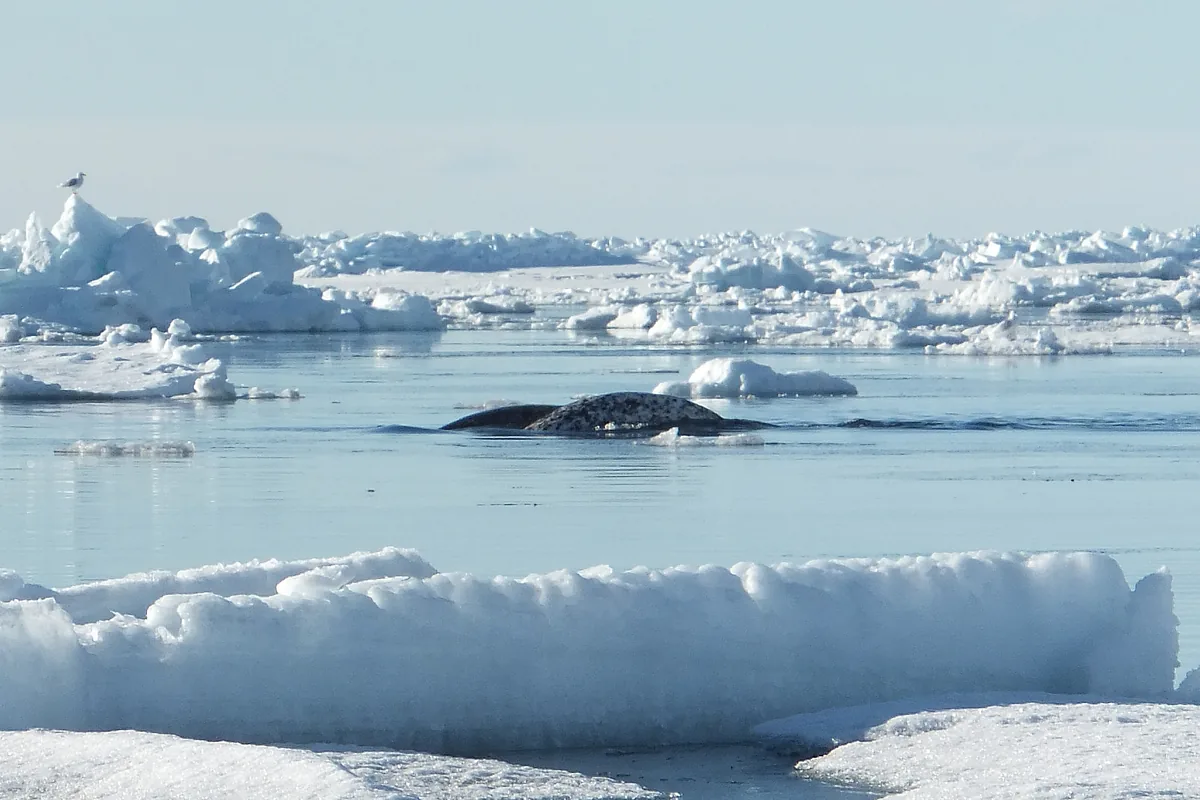
See all narwhal pictures & images →
Narwhals are classified globally as Least Concern by conservation authorities, yet their management remains active and carefully structured. This seemingly paradoxical approach reflects a modern understanding that global status alone does not ensure the health of regional populations. Instead, narwhals are managed as distinct stocks—separate populations with strong bonds to specific areas and migration routes—requiring tailored monitoring and protection strategies rather than reliance on overall numbers.
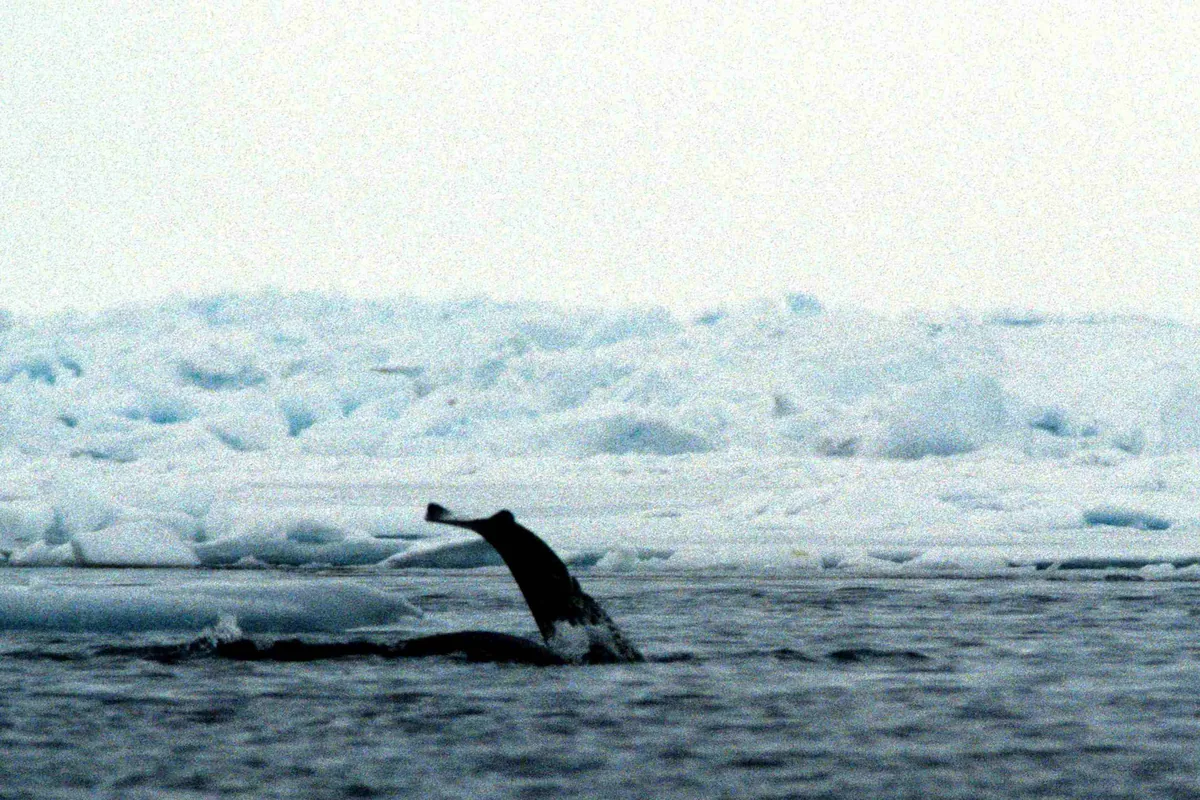
Hunting represents the primary human pressure on narwhals and is actively regulated in the Arctic regions where it occurs. Inuit communities in Canada and Greenland conduct traditional harvests that are managed through quota systems designed to maintain sustainable levels within individual stocks. These quotas are set with input from scientific bodies and are regularly evaluated to reflect current population assessments and ecological conditions.
International cooperation plays a crucial role in narwhal management, particularly where populations range across borders and shared waters. Scientific advisory bodies work across jurisdictions to coordinate population assessments, share research, and align conservation approaches. Beyond hunting, management frameworks are increasingly addressing emerging pressures, including underwater noise from shipping traffic and habitat changes driven by climate warming in Arctic regions.
This multifaceted approach—combining quota-based hunting regulation, stock-specific monitoring, international coordination, and responsiveness to new environmental challenges—reflects current best practices in marine mammal conservation and positions narwhal populations for sustained health in a changing Arctic.
Sources: IUCN Red List — Narwhal (Monodon monoceros); NOAA Fisheries — Narwhal. Educational information only. See our sources & fact-check policy.
Frequently asked questions
Hunting of the narwhal conservation management?
Managed by quotas in Canada and Greenland
Approach of the narwhal conservation management?
Stock-by-stock monitoring and cooperation
More in Narwhal
Explore more Arctic wildlife
Compare the narwhal with the beluga, bowhead, orca, walrus, and polar bear in our quick-facts table.
Compare Arctic species →