Inuit and narwhals
See all narwhal pictures & images →
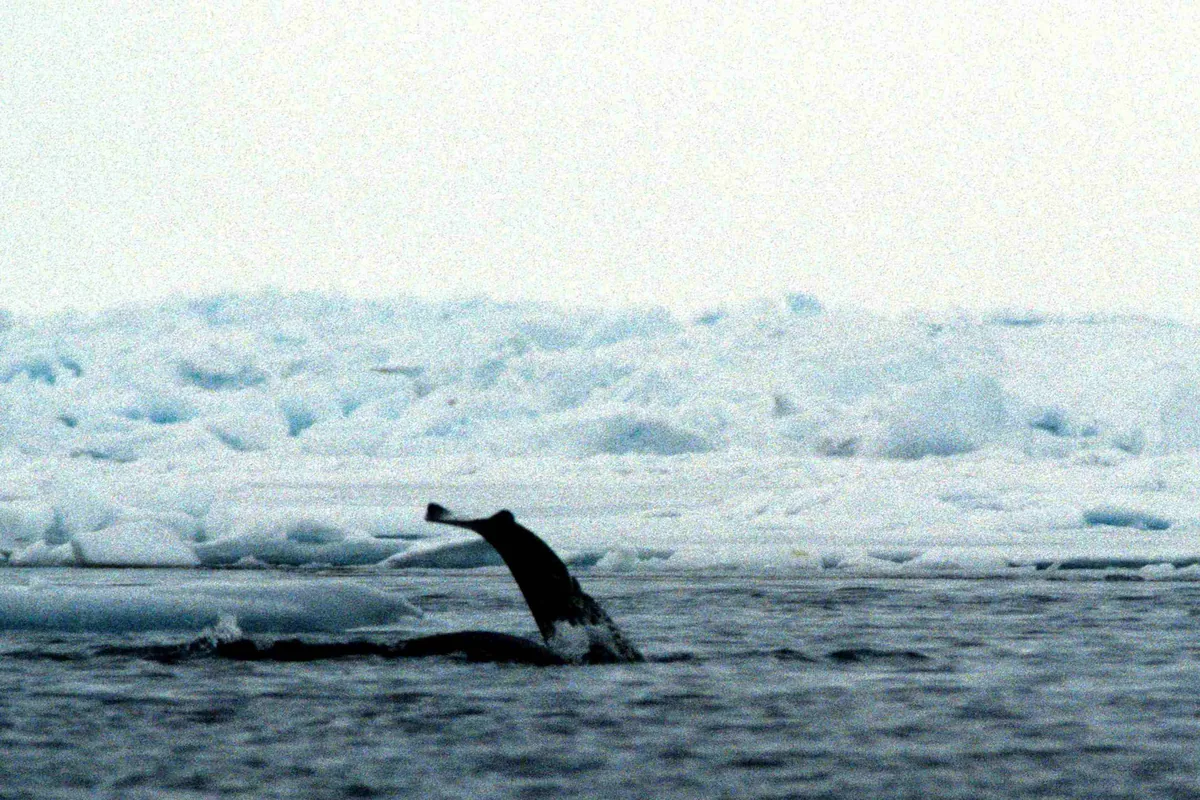
Narwhals have held profound cultural and nutritional importance to Inuit communities across the Canadian Arctic and Greenland for generations. These medium-sized whales have sustained Arctic peoples through subsistence hunting practices that remain integral to traditional ways of life. The harvest of narwhals is managed through coordinated community and government quotas designed to maintain population viability while allowing continued traditional use.
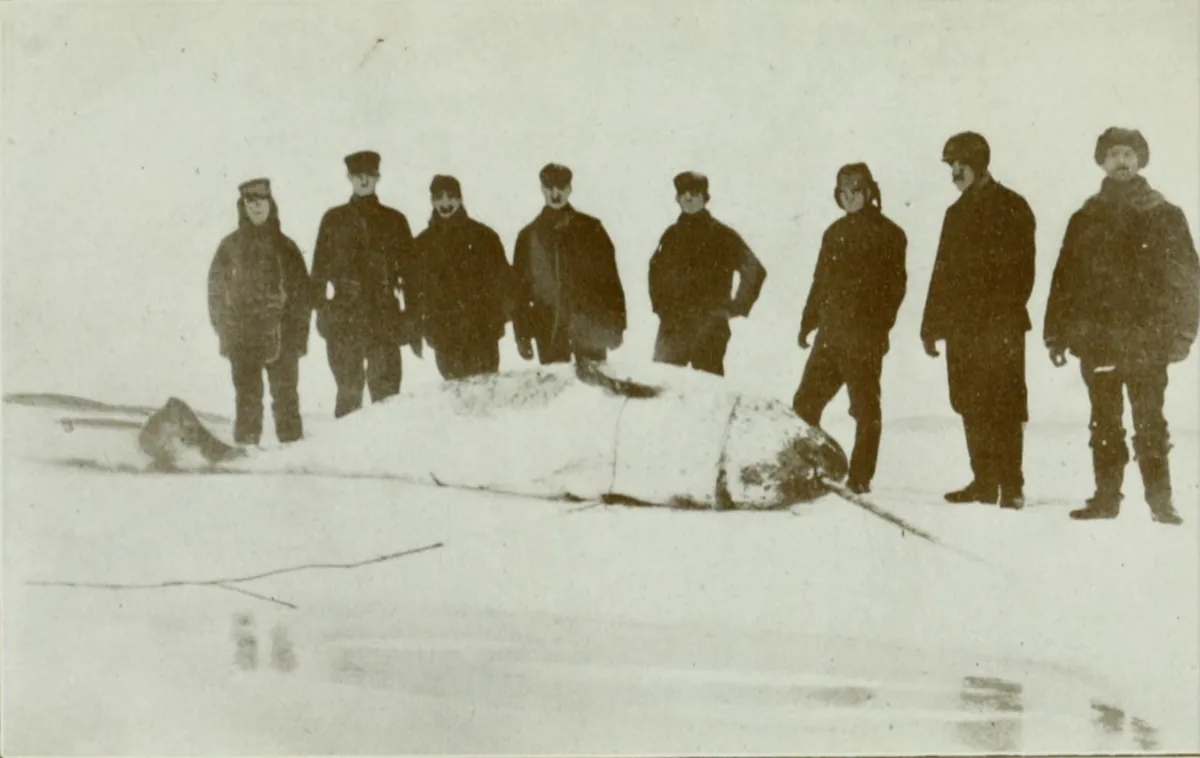
The most valued part of the narwhal harvest is mattak (also spelled maktaaq), which consists of the animal's skin and the nutrient-rich blubber layer beneath it. This traditional food remains nutritionally significant and culturally central to Inuit diets and practices. Beyond mattak, various other parts of the narwhal have been used historically by Arctic communities, reflecting the comprehensive nature of traditional hunting practices.
The extended history of narwhal hunting has given Inuit peoples unparalleled observational knowledge of narwhal behaviour, migration patterns, and habitat preferences. This accumulated understanding, refined across centuries of direct interaction with the animals, is increasingly recognized by scientists and conservation organizations as a vital resource that complements modern scientific research. Indigenous knowledge systems and contemporary research methods together offer more complete insights into narwhal ecology and conservation needs.
The relationship between Inuit communities and narwhals represents an enduring connection between Arctic peoples and marine wildlife, sustained through traditional practices and evolving management frameworks that balance cultural continuity with conservation responsibility.
Sources: IUCN Red List — Narwhal (Monodon monoceros); NOAA Fisheries — Narwhal. Educational information only. See our sources & fact-check policy.
Frequently asked questions
Traditional food of the inuit and narwhals?
Mattak (skin and blubber)
Management of the inuit and narwhals?
Community and government subsistence quotas
More in Narwhal
Explore more Arctic wildlife
Compare the narwhal with the beluga, bowhead, orca, walrus, and polar bear in our quick-facts table.
Compare Arctic species →