Ringed seal: Arctic profile
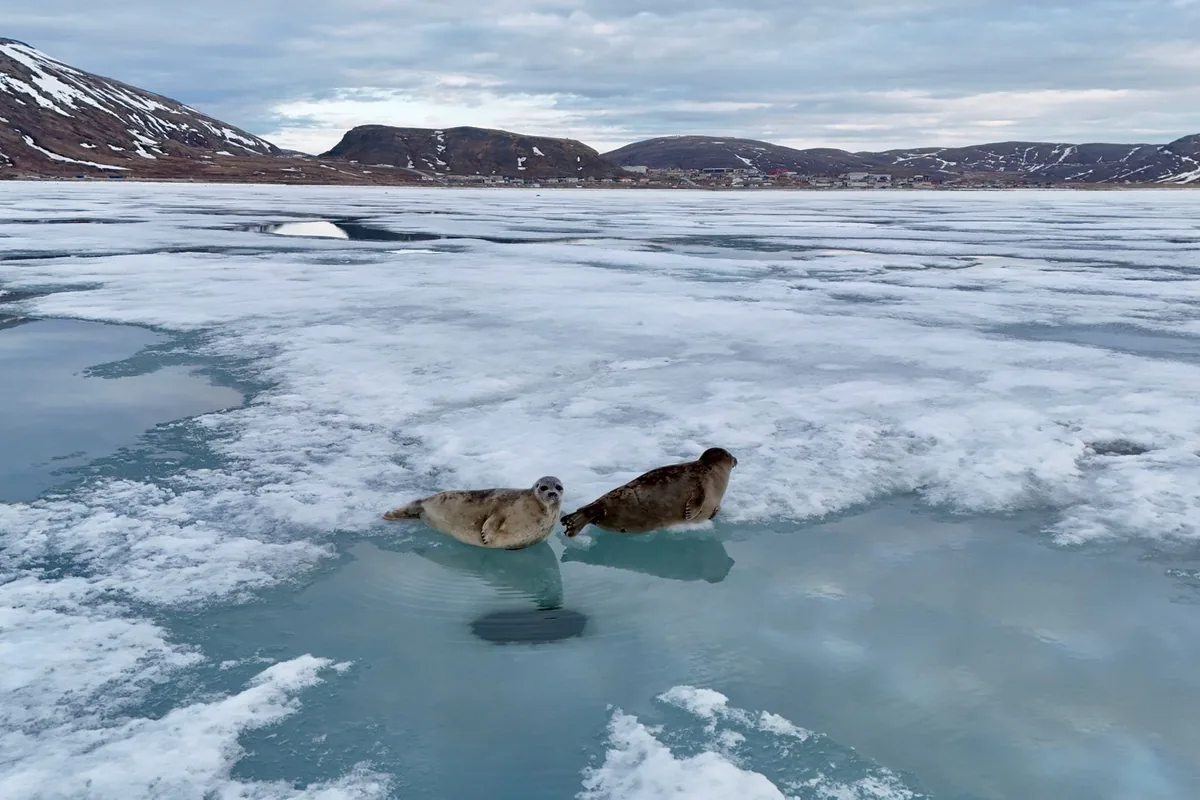
The ringed seal is the Arctic's smallest and most widespread seal species, identifiable by the distinctive pale ring-shaped markings that pattern its otherwise dark coat. These markings give the animal its common name and serve as a reliable field characteristic across its circumpolar range. The species exhibits remarkable physiological and behavioral adaptations to life in ice-covered polar seas, enabling it to thrive where many other marine mammals cannot.
Central to the ringed seal's survival strategy is its use of its powerful front flippers, which bear strong claws capable of maintaining and enlarging breathing holes in solid ice throughout the year. This ability proves essential for accessing open water to feed and breathe. Beyond simple breathing holes, ringed seals excavate snow caves on stable ice floes, creating sheltered dens where they give birth and nurse their pups away from predators and harsh weather. These structural capabilities fundamentally shape their ecology and reproductive success.
Ringed seals feed primarily on fish and small crustaceans, diving proficiently to forage in Arctic waters. Their ecological significance extends well beyond their own survival: they function as a keystone prey species in the Arctic food web, forming the primary food source for polar bears. The fates of these two species are therefore tightly interwoven, with changes affecting one population directly impacting the other. Because ringed seals depend critically on stable sea ice and snow cover for reproduction and shelter, they are particularly sensitive to fluctuations and long-term changes in Arctic ice conditions. This vulnerability makes them an important indicator species for monitoring the health of polar marine ecosystems.
Sources: IUCN Red List — Ringed Seal (Pusa hispida); NOAA Fisheries — Ringed Seal. Educational information only. See our sources & fact-check policy.
Frequently asked questions
Adaptation of the ringed seal: arctic profile?
Claws maintain breathing holes in ice
Ecological role of the ringed seal: arctic profile?
Primary prey of polar bears
More in Arctic wildlife
Explore more Arctic wildlife
Compare the narwhal with the beluga, bowhead, orca, walrus, and polar bear in our quick-facts table.
Compare Arctic species →