Polar bear: Arctic profile

The polar bear stands as the largest land carnivore on Earth and functions as a defining apex predator throughout the Arctic region. Its survival depends fundamentally on sea ice, which serves as a hunting platform essential to its ecology. From these frozen expanses, polar bears pursue their primary prey—ringed and bearded seals—which constitute the bulk of their diet and provide the energy reserves necessary for survival in one of the planet's most demanding environments.
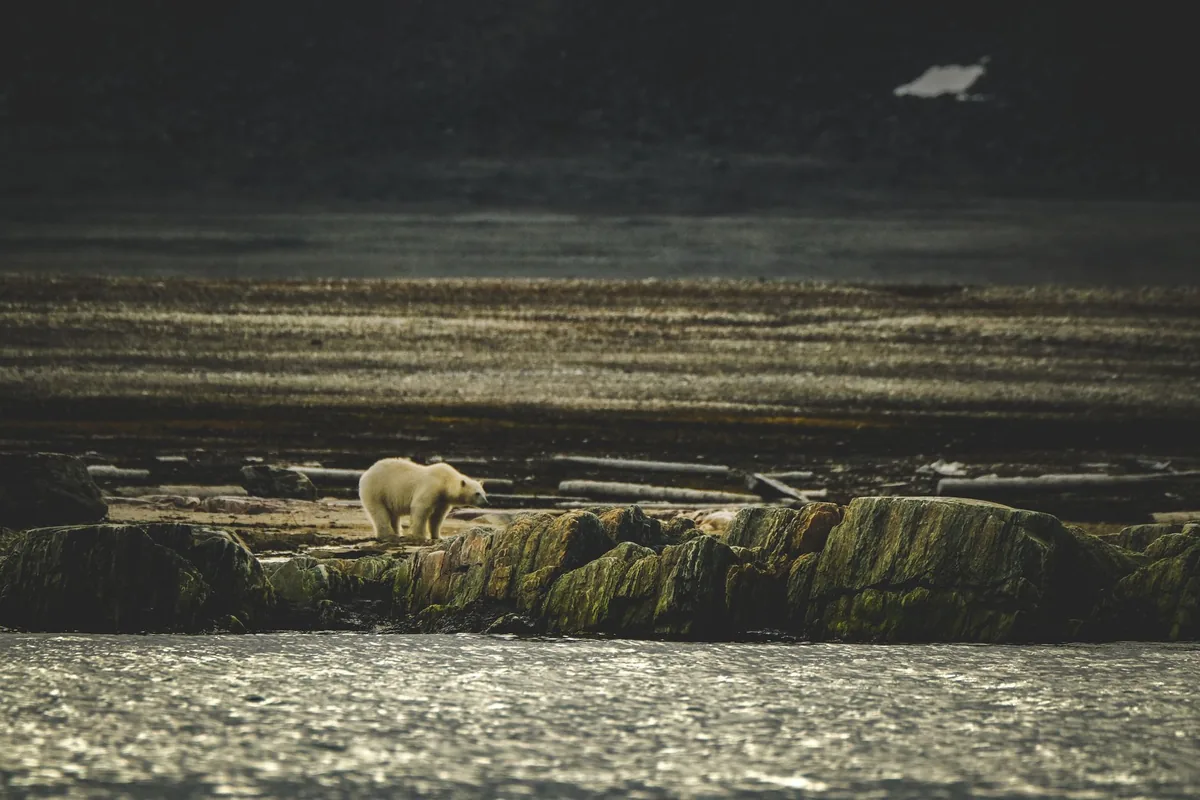
Polar bears possess remarkable physical adaptations for Arctic life. Thick fur and a dense blubber layer insulate them against extreme cold, while their powerful build and swimming ability enable them to traverse vast distances across both ice and open water in pursuit of food. These qualities have made them formidable hunters capable of covering significant territory when sea ice conditions permit.
The species faces mounting pressure as Arctic temperatures rise and sea ice extent declines. Because polar bears depend so heavily on sea ice as a hunting platform, they are classified as threatened or vulnerable across much of their range. The loss of seasonal ice directly threatens their ability to access prey and accumulate the fat reserves needed to survive periods when the ocean is unfrozen, making them a species of significant conservation concern as the climate continues to change.
Sources: IUCN Red List — Polar Bear (Ursus maritimus); NOAA / U.S. FWS — Polar Bear. Educational information only. See our sources & fact-check policy.
Frequently asked questions
Main prey of the polar bear: arctic profile?
Seals, especially ringed and bearded seals
Key dependence of the polar bear: arctic profile?
Sea ice as a hunting platform
More in Arctic wildlife
Explore more Arctic wildlife
Compare the narwhal with the beluga, bowhead, orca, walrus, and polar bear in our quick-facts table.
Compare Arctic species →